Spring Shedding in Florida Pets: Care Tips for a Healthy Coat


Spring Shedding in Florida Pets: Care Tips for a Healthy Coat
As winter gives way to spring in Winter Garden and the surrounding communities, many pet owners notice an uptick in loose fur around the house. If you find yourself sweeping up more tufts than usual or brushing seemingly endless piles of hair from your dog or cat, you are not alone. Seasonal shedding is a common occurrence for pets in Florida, and while it is a natural process, it can be a source of frustration and concern for many families. At Hamlin Animal Hospital, located at 14410 Shoreside Way, Suite 130, Winter Garden, FL 34787, our veterinary team is dedicated to helping you keep your pet’s coat healthy, shiny, and comfortable throughout the shedding season and beyond.
In this comprehensive guide, we will explore why spring shedding happens, how to tell if your pet’s hair loss is normal, and the steps you can take at home to manage excess fur. We will also explain when shedding may signal a deeper health issue that requires professional attention and how our veterinarians can support your pet’s skin and coat health with services like comprehensive pet exams and dermatology consultations. Read on for expert advice tailored to the unique climate and lifestyle of Florida pets.
Recognizing Spring Shedding: What Is Normal and When to Worry
Springtime often brings a noticeable increase in your pet’s shedding as their bodies respond to changes in daylight and temperature. For many dogs and cats, this seasonal molt is perfectly natural; it allows them to shed their heavier winter coats and prepare for warmer weather. However, knowing the difference between normal shedding and excessive hair loss is important for your pet’s wellbeing.
Typical signs of healthy seasonal shedding include a gradual thinning of the undercoat, especially in double-coated breeds such as Huskies or Retrievers. You may observe more fur on your furniture, clothing, or grooming tools during brushing sessions. Most pets remain comfortable and show no changes in their skin’s appearance or their usual habits.
On the other hand, signs that shedding may be a concern include bald spots, red or inflamed skin, persistent scratching or licking, and a dull, patchy coat. If your pet is losing hair in clumps, developing sores, or seems to be in discomfort, these could be indicators of underlying issues such as allergies, parasites, or skin infections. In these cases, it is wise to promptly consult your veterinarian for a thorough assessment.
Why Do Pets Shed More in the Spring?
Understanding the causes behind spring shedding can help pet owners approach this annual event with confidence. The primary driver of increased fur loss in spring is the shift in daylight hours, which signals your pet’s body to transition from a winter to a summer coat. In Florida, where temperatures warm up early and sunshine is abundant, pets may start shedding as soon as March or even earlier.
Breed and genetics also play significant roles in the shedding process. Dogs and cats with double coats, such as German Shepherds, Golden Retrievers, and Maine Coons, tend to shed more noticeably during seasonal changes. Short-haired breeds may also shed, but often in smaller amounts throughout the year rather than in a dramatic spring molt.
Other contributing factors to shedding include age, overall health, nutrition, and exposure to indoor heating or air conditioning. Stress, recent illness, or hormonal changes can also affect the condition and turnover of your pet’s fur. While some shedding is unavoidable, understanding your pet’s unique coat type and lifestyle can help you tailor your care routine for optimal results.
Managing Shedding: Professional Support and Home Care Strategies
Keeping your pet’s coat healthy through the shedding season involves a combination of at-home care and professional veterinary support. Regular grooming is one of the most effective ways to manage loose fur and maintain skin health. Brushing your dog or cat several times a week, or even daily for heavy shedders, helps remove dead hair before it ends up on your floors and furniture. The right grooming tools for your pet’s coat type can make a significant difference; for example, slicker brushes work well for longer-haired breeds, while grooming gloves may be ideal for short-haired pets.
Bathing can also help loosen dead hair, but it is important not to overdo it, as excessive bathing can dry out your pet’s skin and worsen shedding. Aim for a gentle, pet-safe shampoo and limit baths to once every few weeks unless directed otherwise by your veterinarian. Ensuring your pet is completely dry after bathing is essential, as damp fur can lead to skin irritation.
Nutrition plays a crucial role in skin and coat health, especially during periods of heavy shedding. A balanced diet with appropriate levels of omega-3 and omega-6 fatty acids helps support the production of healthy skin oils and promotes a shiny, resilient coat. Fresh water should always be available to prevent dehydration, which can contribute to dull fur and increased shedding.
For pets experiencing persistent or abnormal hair loss, our veterinary team may recommend a dermatology evaluation to investigate potential underlying issues such as allergies, fungal infections, or hormonal imbalances. We may also suggest allergy testing if your pet’s shedding is accompanied by itching, redness, or frequent ear infections. These comprehensive assessments allow us to create a personalized care plan to address the root cause of your pet’s symptoms.
Preventing Excess Shedding: Steps Pet Owners Can Take
While it is impossible to eliminate shedding entirely, there are several proactive measures you can take to minimize its impact and keep your pet’s coat in top condition. Consistent grooming is at the heart of every successful shedding management plan. Establishing a regular brushing routine not only removes loose hair but also distributes natural skin oils, which are essential for a glossy, healthy coat.
Feeding your pet a veterinarian-recommended diet rich in high-quality protein and essential fatty acids supports both skin and fur health. Supplements may be helpful in some cases, but it is important to consult your veterinarian before adding anything new to your pet’s regimen. Adequate hydration, stress reduction, and regular exercise also play important roles in maintaining overall wellness and coat quality.
Environmental management can make a difference as well. Vacuuming more frequently during shedding season, using washable pet bedding, and keeping your home’s humidity at a comfortable level can all help control the spread of fur and dander. If your pet spends time outdoors, check them regularly for fleas or ticks, as these parasites can contribute to hair loss and skin irritation.
When to Seek Veterinary Care for Shedding
While most spring shedding is a normal and healthy process, there are situations in which a visit to your veterinarian is warranted. Warning signs that indicate a need for professional evaluation include sudden or severe hair loss, bald patches, visible skin lesions, persistent scratching, or changes in your pet’s behavior or appetite. These symptoms could point to underlying health problems that require diagnosis and treatment.
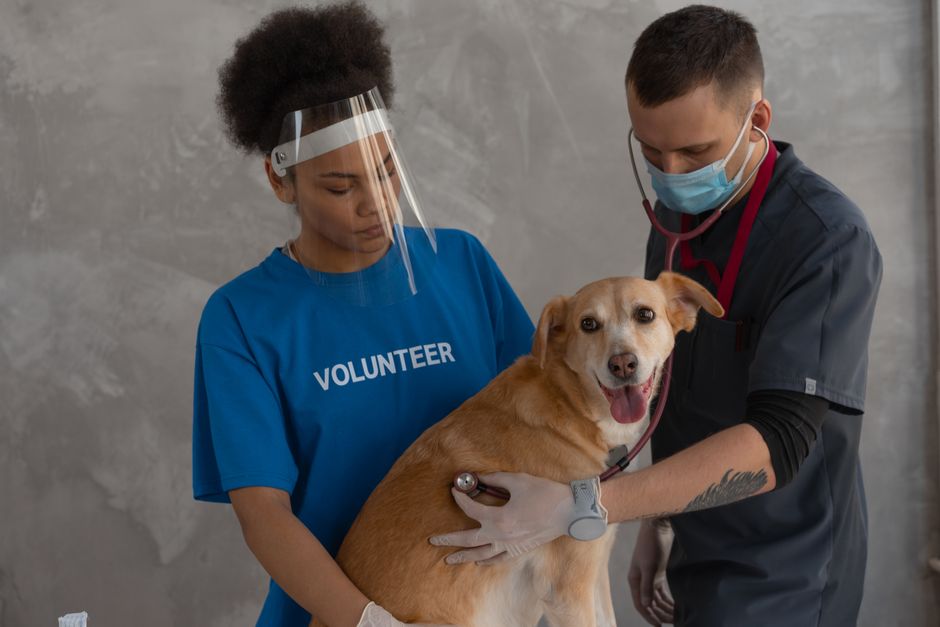
Scheduling a wellness examination at Hamlin Animal Hospital allows our veterinary professionals to assess your pet’s skin, coat, and overall health. We can help you determine whether your pet’s shedding is within the range of normal or if further testing is needed to identify issues such as allergies, infections, or endocrine disorders. Early intervention is key to preventing complications and ensuring your pet’s comfort.
If you are unsure whether your pet’s shedding is cause for concern, our veterinarians are always available to provide guidance and reassurance. As your trusted local resource for pet care in Winter Garden and surrounding communities, we are committed to supporting your pet’s health throughout every season.
Keeping Your Pet Comfortable Through Spring Shedding
Spring shedding is a fact of life for many Florida pets, but with the right approach, you can help your furry friend stay comfortable and maintain a beautiful coat. By understanding the reasons behind increased hair loss, establishing effective grooming and nutrition routines, and knowing when to seek professional help, you can minimize the mess and ensure your pet’s wellbeing.
If you have questions about your pet’s shedding or wish to schedule a wellness exam, our compassionate veterinary team at Hamlin Animal Hospital is here to help. Contact us at (407) 872-7772 or visit our Winter Garden location to book an appointment. When searching for a vet near me, trust our experienced veterinarians to provide the guidance and care your pet needs for a healthy, happy spring. For more tips on pet health and seasonal care, explore our Learning Center today.
This article is intended for informational purposes only and does not substitute for professional veterinary care. Always consult your veterinarian for advice specific to your pet’s unique needs.