Advanced Veterinary Dentistry – Dog & Cat Dental Cleanings (COHAT)

Advanced Veterinary Dentistry – Dog & Cat Dental Cleanings (COHAT) in Winter Garden, FL
At Hamlin Animal Hospital, we provide advanced, comprehensive dental care for dogs and cats using the gold standard approach known as COHAT (Comprehensive Oral Health Assessment and Treatment). This is not a cosmetic service—it is a medically necessary, evidence-based procedure designed to diagnose, treat, and prevent dental disease at its source while prioritizing your pet’s comfort, safety, and long-term health.
Dental disease remains one of the most common yet underdiagnosed medical conditions in veterinary medicine. By three years of age, most dogs and cats already show signs of periodontal disease. What makes this condition particularly challenging is its silent progression. Pets instinctively mask discomfort, and many continue to eat and behave normally despite ongoing oral pain. As a result, disease often advances unnoticed until it reaches a more serious stage.
Left untreated, dental disease can lead to chronic pain, infection, tooth loss, bone destruction, and systemic spread of bacteria affecting the heart, liver, and kidneys. Modern veterinary medicine increasingly recognizes oral health as a critical component of total body health. Early, proactive intervention is one of the most impactful ways to improve both lifespan and quality of life in pets.
Hamlin Animal Hospital is open seven days a week to support both preventive care and urgent needs. Same-day appointments may be available depending on schedule and medical priority. To schedule a dental consultation or check availability, please call (407) 872-7772 or visit us at 14410 Shoreside Way, Suite 130, Winter Garden, FL 34787.
What Is a COHAT?
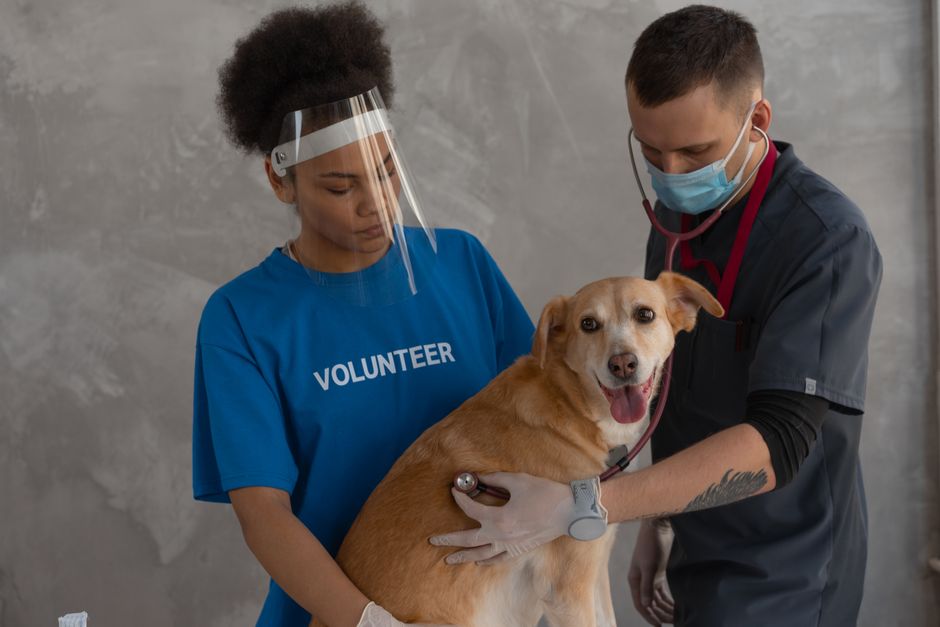
A COHAT represents the current and evolving standard of care in veterinary dentistry. Unlike basic or cosmetic cleanings, a COHAT is a comprehensive diagnostic and treatment procedure performed under general anesthesia. This allows for full evaluation of the oral cavity, including subgingival structures where the majority of pathology exists. Dental radiographs are an essential component of this process, providing critical insight into tooth roots, bone health, and hidden disease processes that cannot be identified through visual examination alone.
As veterinary dentistry continues to advance, the emphasis on diagnostics, early detection, and complete treatment continues to grow. Our approach at Hamlin Animal Hospital is designed to align with these evolving standards, ensuring your pet receives care that is both current and forward-thinking.
Safety & Anesthesia Protocols
Each dental procedure at our hospital follows a structured, patient-centered protocol focused on safety, precision, and completeness. Pre-anesthetic evaluation allows us to tailor each anesthetic plan to the individual patient, accounting for age, breed, and medical history. When appropriate, diagnostic testing is performed to further enhance safety.
During the procedure, patients are continuously monitored using modern anesthetic monitoring systems that track cardiovascular and respiratory parameters in real time. A secured airway is maintained to support breathing and prevent aspiration. These protocols are not static—they are continually reviewed and refined to align with best practices and advancements in veterinary anesthesia and patient safety.
What’s Included in a COHAT Procedure
The COHAT procedure itself includes:
- A comprehensive oral examination
- Ultrasonic scaling above and below the gumline
- Periodontal probing and charting
- Full-mouth dental radiographs
- Polishing to reduce plaque adherence
- Targeted treatment such as extractions or medical management when indicated
Each component serves a specific purpose in diagnosing and addressing disease comprehensively rather than superficially.
Why Our Doctors Recommend COHAT
Dr. Kondru (Dr. K) and Dr. Sireesha Manne (Dr. Siri) recommend COHAT because it reflects a philosophy rooted in thoroughness, prevention, and long-term outcomes. Their approach emphasizes identifying disease early, using objective diagnostics to guide treatment, and addressing problems definitively rather than temporarily. This reduces the need for repeat procedures, minimizes chronic discomfort, and supports better overall health.
Why Anesthesia-Free Cleanings Are Not Recommended
Anesthesia-free dental procedures are not part of our recommended care model. While they may appear convenient, they do not address disease beneath the gumline and do not meet accepted medical standards for treatment of periodontal disease. As veterinary dentistry continues to evolve, the consensus remains clear that effective dental care requires proper access, visualization, and patient comfort—none of which can be achieved without anesthesia.
Species-Specific Dental Needs
Dental disease presents differently across species, and understanding these differences is key to effective care.
- Dogs commonly develop progressive periodontal disease, especially in smaller breeds where tooth crowding contributes to plaque accumulation.
- Cats frequently develop conditions such as resorptive lesions, which are painful, progressive, and often only identifiable through dental radiographs.
These species-specific considerations are integrated into every dental plan we create.
Signs of Dental Disease in Pets
While certain signs may indicate dental disease, it is important to recognize that many pets show minimal outward signs even with advanced disease.
Common signs include:
- Bad breath
- Tartar buildup
- Inflamed gums
- Difficulty chewing
- Behavioral changes
Routine dental evaluations remain the most reliable way to detect problems early.
Post-Procedure Care & Recovery
Post-procedural care is a critical component of successful dental treatment and long-term oral health. Most pets recover quickly from anesthesia, though mild sedation or decreased activity may be noted initially. Providing a calm, comfortable environment supports a smooth recovery.
Feeding recommendations may vary depending on the procedure performed, with softer diets often recommended temporarily following extractions.
Healing is typically straightforward, but thoughtful monitoring is important:
- Mild drooling or slight blood-tinged saliva may occur initially and should resolve
- Avoid hard toys and chews during the healing phase
- Administer prescribed medications consistently to support comfort and prevent complications
Long-Term Dental Maintenance
Long-term success depends on transitioning from treatment to maintenance. Establishing a sustainable home care routine is key.
This may include:
- Gradual introduction of tooth brushing
- Use of veterinary-approved dental products
- Regular professional evaluations
As new dental care products and preventive strategies continue to emerge, our team remains committed to guiding pet owners toward safe and effective options tailored to their pet’s needs.
Our Commitment to Advanced Veterinary Care
Hamlin Animal Hospital is committed not only to delivering high-quality care today but also to continuously evolving with advancements in veterinary medicine. Our protocols, recommendations, and technologies are regularly reviewed and updated to ensure we remain aligned with the highest standards of care. This commitment allows us to provide dentistry that is not only effective now but remains relevant and appropriate in the future.
As a locally owned, family-run practice serving Winter Garden, Horizon West, Windermere, Ocoee, and surrounding communities, we combine advanced medical capability with a personalized, relationship-based approach. We believe that trust, transparency, and clear communication are essential components of excellent care. Every recommendation we make is grounded in what is best for your pet’s long-term health and well-being.
The Benefits of Professional Dental Care
The benefits of proper dental care extend far beyond the mouth.
Pets experience:
- Improved comfort
- Better appetite
- Reduced systemic health risks
- A higher quality of life overall
Addressing dental disease early helps prevent unnecessary suffering and reduces the likelihood of more complex interventions in the future.
Schedule a Dental Consultation
If your pet has not had a recent dental evaluation or if you have concerns about their oral health, we encourage you to schedule a consultation. Preventive care and early intervention remain the most effective strategies for maintaining lifelong health.
Please call (407) 872-7772 to schedule an appointment or inquire about same-day availability. At Hamlin Animal Hospital, we are committed to helping your pet live a healthier, more comfortable life—through advanced, thoughtful, and future-focused dental care.