How to Make Your Pet’s Diet Balanced: Vet-Approved Tips

How to Make Your Pet’s Diet Balanced: Vet-Approved Tips
If you’re a dog or cat owner in Winter Garden, you’ve probably wondered how to make a pet’s diet balanced and whether your furry family member is truly getting the nutrition they need. At Hamlin Animal Hospital, we know that the right diet is one of the most important building blocks to your pet’s long-term health and happiness. With so many options available on store shelves and online, choosing the best food for your dog or cat can feel overwhelming. This blog will guide you through the essentials of balanced pet nutrition, from understanding key nutrients and reading pet food labels to adapting your pet’s diet for Florida’s climate. You’ll also learn when it’s time to schedule a consultation with our veterinary team at our Winter Garden location for personalized nutrition advice. By the end, you’ll be equipped with vet-approved tips to help your pet thrive all year long.
Recognizing Signs of Poor Nutrition in Pets
Understanding how to make a pet’s diet balanced starts with recognizing when your pet’s current nutrition might be falling short. Signs of an imbalanced diet can be subtle at first, but over time, you may notice your pet’s coat losing its shine or their energy levels dropping. Other red flags include frequent digestive upset, recurrent ear or skin infections, unexplained weight gain or loss, and excessive shedding. Cats may develop hairballs or urinary issues, while dogs might experience persistent itching or dullness in their eyes. If your pet is a picky eater, constantly begs for food, or seems disinterested in mealtime, these behaviors can also be linked to nutritional gaps or food preferences that aren’t being met.
Pay attention to changes in your pet’s stool; both diarrhea and very hard stools may signal that something isn’t quite right with their diet. Over time, chronic nutritional deficiencies can lead to weakened immune systems and increased susceptibility to illness. If you’re unsure whether your pet’s symptoms might be related to diet, a wellness examination with our veterinarians in Winter Garden can help pinpoint the cause.
What Makes a Pet’s Diet Balanced?
A balanced diet for dogs and cats means providing the correct proportion of proteins, fats, carbohydrates, vitamins, minerals, and water that their bodies need for optimal health. Each nutrient plays a crucial role: proteins are essential for muscle maintenance and immune function, while fats provide concentrated energy and help keep skin and coats healthy. Carbohydrates supply energy and support digestive health, though the required amount varies between dogs and cats. Vitamins and minerals, such as calcium, phosphorus, and vitamin D, are necessary for bone strength, nerve transmission, and metabolic health.
Water is another often-overlooked component of your pet’s diet. Especially in the warm, humid climate of Winter Garden and surrounding communities, adequate hydration is vital. Cats, in particular, are prone to dehydration because they evolved as desert animals and may not feel thirsty until they’re already slightly dehydrated. Wet food can help increase water intake for cats who aren’t big drinkers.
The precise ratio of these nutrients depends on your pet’s age, breed, activity level, and health status. Puppies and kittens, for example, need more protein and calories to support rapid growth, while senior pets may require fewer calories but more joint-supporting nutrients. Some pets with medical conditions need customized diets, such as low-fat formulas for those with pancreatitis or prescription diets for urinary health.
Understanding Pet Food Labels
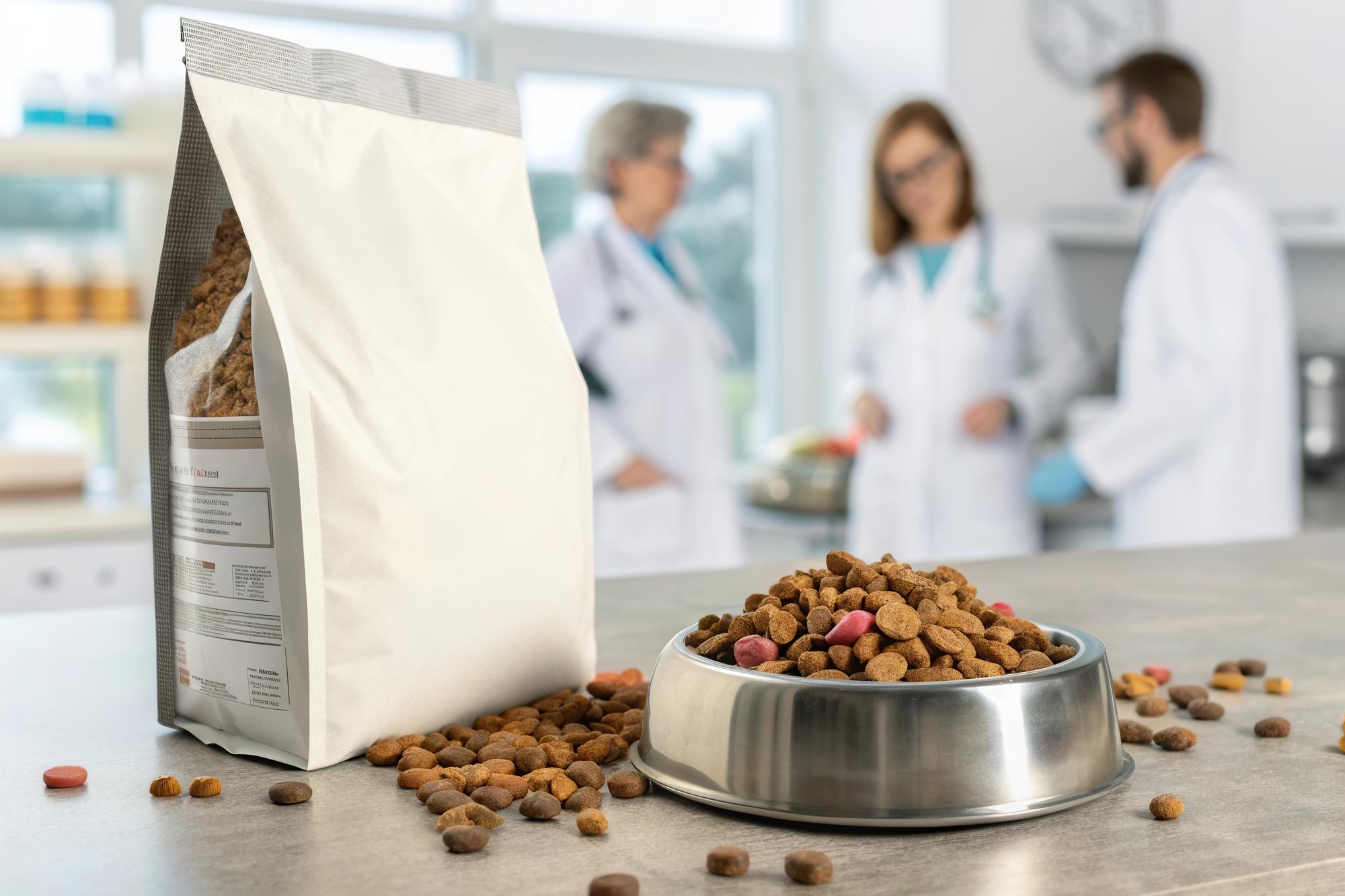
One of the most important tools you have as a pet owner is the ability to read and understand pet food labels. When evaluating food options, look for labels that state the product is “complete and balanced” according to the Association of American Feed Control Officials (AAFCO) guidelines. This designation confirms that the food provides the essential nutrients in appropriate amounts for your pet’s life stage.
Ingredients are listed by weight, so the first ingredient should ideally be a high-quality protein source, such as chicken, beef, or salmon. However, keep in mind that ingredient lists don’t tell the whole story. By-products and meals can be excellent protein sources when properly processed. Pay attention to guaranteed analysis, which provides the minimum and maximum percentages of protein, fat, fiber, and moisture.
Watch for added sugars, artificial colors, and unnecessary fillers, which can contribute to health concerns. If your pet has allergies or sensitivities, check for common allergens like wheat, corn, soy, or certain animal proteins. For pets with special dietary needs, our veterinarians can help you navigate prescription diet options through our online pharmacy for convenience and quality assurance.
The Impact of Florida’s Climate on Pet Nutrition
Living in Winter Garden and the greater Central Florida area means your pet’s diet should account for our hot, humid weather. Dogs and cats may require adjustments in calorie intake during the summer, as high temperatures can lead to decreased activity and appetite. Hydration is especially important, as pets are at higher risk of overheating and dehydration. Consider offering wet food or adding water to dry kibble to increase moisture intake, particularly for cats or pets that spend time outdoors.
If your pet is especially active—whether joining you for walks, runs, or playtime at the park—they may need more calories and electrolytes to support their energy needs. On the other hand, pets who prefer to lounge inside in the air conditioning may benefit from lower-calorie options to prevent weight gain. Seasonal allergies are another concern in Florida, so diets rich in omega-3 fatty acids can help support skin health and minimize itchiness caused by environmental factors.
Home Management: How to Make a Pet’s Diet Balanced
To create a truly balanced diet for your pet at home, start by selecting a high-quality commercial food formulated for your pet’s species, age, and activity level. Most dogs and cats thrive on commercial diets that meet AAFCO standards, as these are specifically designed to deliver balanced nutrition in every serving. Avoid feeding homemade diets or relying on table scraps unless you’re working with a veterinary nutritionist; even well-intentioned home-cooked meals can easily miss essential nutrients.
Portion control is another key aspect of how to make a pet’s diet balanced. Follow feeding guidelines on the packaging, but adjust based on your pet’s individual needs, body condition, and activity level. Regularly assess your pet’s weight and body shape; you should be able to feel your pet’s ribs with gentle pressure but not see them protruding. If you’re unsure about correct portions, our veterinary team can provide guidance during your pet’s next wellness check.
Treats can be a wonderful way to bond with your pet, but they should make up less than 10 percent of your pet’s daily caloric intake to avoid throwing off the balance of their main diet. Choose healthy treats, such as small pieces of cooked lean meat, carrots, or veterinarian-approved snacks.
If you’re interested in learning more about balanced pet nutrition, visit our Learning Center for educational articles and tips tailored for Winter Garden pet owners.
When to Consult Your Veterinarian About Your Pet’s Diet
While many pets do well on high-quality commercial diets, there are times when a consultation with your veterinarian is essential to ensure your pet’s nutrition is on track. If your pet has ongoing health issues such as obesity, diabetes, kidney disease, food allergies, or digestive problems, a customized diet may be recommended. Sudden changes in appetite, persistent gastrointestinal upset, unexplained weight changes, or signs of malnutrition all warrant a visit to our veterinary professionals.
Puppies, kittens, pregnant or lactating pets, and seniors often have specific dietary needs that require professional input. If you’re considering switching your pet’s food or introducing a raw or home-cooked diet, we strongly encourage you to reach out to our team for expert guidance to avoid unintended nutritional gaps.
During your wellness examination, we can review your pet’s current diet, discuss any concerns, and recommend the best food options for their age, breed, lifestyle, and health status. Our veterinarians can also advise on safe ways to transition between diets, which helps minimize digestive upset.
Frequently Asked Questions About Pet Nutrition
What should I do if my pet is a picky eater?
If your pet routinely refuses food or seems particular about what they’ll eat, it’s important to rule out underlying medical issues before assuming it’s just a matter of taste. Schedule a veterinary visit to ensure there isn’t a dental problem, gastrointestinal disorder, or other health concern. Sometimes, offering a different flavor, texture, or brand can help, but always introduce new foods gradually. Mixing wet and dry food, warming food slightly, or adding a small amount of water can also make meals more appealing.
Can I feed my pet a vegetarian or vegan diet?
Dogs are omnivores and can adapt to a wider variety of foods, but formulating a balanced vegetarian or vegan diet is complex and should only be done under strict veterinary supervision. Cats are obligate carnivores and require certain nutrients found only in animal products, so vegetarian or vegan diets are not recommended for cats. If you’re interested in alternative diets for your pet, consult with our veterinary team to discuss safe options.
Are grain-free diets better for pets?
Grain-free diets have become popular, but they are not inherently healthier for all pets. In fact, recent studies have linked some grain-free diets to an increased risk of heart disease in dogs. Unless your pet has a diagnosed grain allergy, most pets thrive on diets that include wholesome grains. Speak with our veterinarians if you have concerns regarding grains or other ingredients in your pet’s food.
Why Routine Veterinary Visits Matter for Pet Nutrition
Establishing a partnership with your local veterinary team is the best way to ensure your pet’s diet remains balanced as their needs change over time. At Hamlin Animal Hospital, we offer comprehensive wellness examinations that include nutritional assessments and advice tailored to your pet’s individual needs. Regular check-ups allow us to monitor your pet’s weight, body condition, and overall health, making early adjustments to their diet when needed.
Our veterinarians are here to support you whether you have questions about puppy or kitten nutrition, need guidance for a senior pet, or want to address a specific health concern. We also provide access to pet safety articles and educational resources to help you make informed decisions at home.
Take the Next Step Toward a Balanced Diet for Your Pet
Supporting your pet’s health with a well-balanced diet is one of the most impactful choices you can make as a pet owner. If you’re ready to take the guesswork out of how to make a pet’s diet balanced, our veterinary team at Hamlin Animal Hospital is here to help. Schedule an appointment at our convenient Winter Garden location to discuss your pet’s unique needs, review their current diet, and receive customized recommendations. For many pet owners searching for a vet near me, finding a trusted partner to guide them through nutrition questions provides peace of mind and long-term benefits for their pets.
For more information or to book a visit, call us at (407) 872-7772. We look forward to supporting your pet’s health and happiness with the best in veterinary nutrition and care.