Flea and Tick Prevention Tips for Dogs and Cats in Florida

Flea and Tick Prevention Tips for Dogs and Cats in Florida
As the warmth and rainfall of May arrive in Winter Garden, Florida, flea and tick activity surges—making these parasites a top concern for pet owners across our community. At Hamlin Animal Hospital, we know how important it is to keep your dog or cat comfortable and protected, especially as spring turns to summer and the local climate fosters ideal conditions for infestations. Whether you live near the lakes of Wateride, the green spaces of Cypress Reserve, or the family-friendly streets of Summerlake, your pet faces unique risks from fleas and ticks in our subtropical environment. In this guide, we’ll explain how to recognize flea and tick problems, why these pests thrive in Florida, what you can do at home, and how our veterinary team can help safeguard your pet’s health year-round. You’ll also find local resources and tips for choosing effective prevention strategies tailored to our area’s needs.
How to Spot Fleas and Ticks on Your Dog or Cat
Fleas and ticks can easily go unnoticed at first, but early detection is key to keeping your pet healthy and your home comfortable. Dogs and cats with fleas often show signs such as frequent scratching, biting at their fur—especially near the tail or belly—red or irritated skin, and in some cases, hair loss or scabs. Tiny black specks known as “flea dirt” may be visible when you part your pet’s fur, and you might notice live fleas quickly darting through the coat if you look closely.
Ticks, on the other hand, tend to latch on in less obvious places, such as between toes, inside ears, under collars, or along the groin. You may feel a small bump while petting your dog or cat, or spot a tick attached to the skin. Ticks can remain attached for several days while feeding, and their bite sites may become red or swollen.
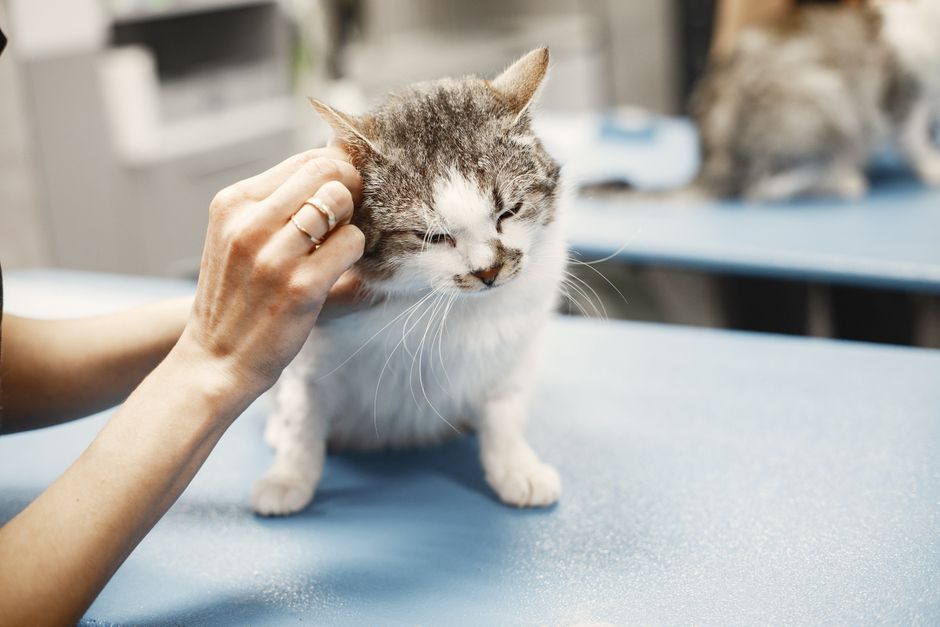
In addition to these physical signs, behavioral changes are important to watch for. A generally restless pet, loss of appetite, or signs of discomfort could point to a flea or tick problem. Since both parasites can transmit disease, it’s important to act quickly if you notice any of these symptoms. If you’re unsure whether your pet is dealing with fleas, ticks, or another skin issue, a wellness examination at Hamlin Animal Hospital can help identify the cause and provide relief.
Why Fleas and Ticks Are a Year-Round Threat in Florida
Winter Garden’s warm, humid climate, especially during the rainy season starting in May, provides an ideal environment for both fleas and ticks to thrive. Fleas lay eggs in shaded, moist areas of your yard, and those eggs can develop into adult fleas in as little as two weeks if conditions are right. Even indoor pets are at risk; fleas can hitch a ride into your home on shoes, clothing, or other animals, quickly establishing a population in bedding, carpets, and furniture.
Ticks are common in wooded, brushy, or grassy areas around our local neighborhoods and parks. They tend to be most active during the warmer months, but our mild winters mean ticks can be found on pets even in cooler weather. In addition to causing discomfort, ticks can transmit serious diseases like Lyme disease, ehrlichiosis, and anaplasmosis to both dogs and cats. Florida’s proximity to lakes and conservation areas—along with the large number of wildlife hosts—only increases the risk.
Because fleas and ticks reproduce rapidly and can survive in a variety of settings, prevention in Winter Garden is truly a year-round commitment. Skipping prevention during “off” months can leave your pet vulnerable as soon as temperatures rise.
Professional Treatment and Prevention Options at Hamlin Animal Hospital
When a flea or tick infestation occurs, prompt and thorough treatment is crucial for your pet’s health and comfort. At Hamlin Animal Hospital, our veterinarians offer several safe and highly effective options to eliminate parasites and prevent future problems. Depending on your pet’s age, health status, and lifestyle, we may recommend topical treatments, oral medications, or long-lasting collars designed to repel and kill fleas and ticks before they can bite.
For active infestations, a combination of products may be needed to address both adult parasites and developing eggs or larvae. Our veterinary professionals provide step-by-step guidance on safe application, dosage schedules, and monitoring for side effects. We also recommend regular wellness examinations to check for any skin concerns, secondary infections, or allergic reactions related to flea or tick bites.
Some pets experience intense itching, hair loss, or skin infections as a result of flea or tick exposure. In these cases, our team offers targeted veterinary dermatology services to address skin irritation, hot spots, or allergic reactions. We also provide allergy testing if your pet has ongoing sensitivity to bites or other environmental triggers.
All preventive medications should be chosen based on your pet’s individual needs and local risks. Our veterinary team can help you select the right product and dosage, whether you prefer monthly oral chews, spot-on applications, or prescription collars. Many of these options are available through our online pharmacy, making it easy to keep up with refills and stay protected all year.
Home Prevention: Keeping Your Pet and Household Safe
Alongside veterinary care, there are several steps you can take at home to reduce the risk of flea and tick infestations. Regularly washing your pet’s bedding in hot water, vacuuming carpets and furniture, and maintaining a tidy yard can help eliminate eggs and larvae before they become a problem. Focus on shaded or damp areas outside, such as under bushes or decks, as these are prime spots for developing fleas and ticks.
Grooming your dog or cat with a flea comb can help detect early signs of infestation and remove parasites before they multiply. For cats and smaller dogs, pay particular attention to the neck, tail base, and underbelly. After outdoor walks or playtime, inspect your pet for any attached ticks, especially if you’ve visited wooded or grassy areas.
Yard maintenance is another key element of prevention. Keeping grass trimmed, removing leaf litter, and creating a barrier between wooded areas and your yard can help deter ticks. Avoid leaving pet food outdoors, as this can attract wildlife that may carry fleas and ticks into your property.
If you have questions about which preventive products are best for your pet’s needs and your home environment, our veterinary team is always available to help you make an informed decision. You can also find additional advice and pet safety tips in our educational pet safety articles.
When to Seek Veterinary Help for Flea and Tick Problems
While home prevention goes a long way, certain situations require professional care. If you notice persistent itching, open sores, or signs of infection such as oozing, swelling, or foul odors from your pet’s skin, it is time to schedule an appointment. Excessive scratching or biting that leads to hair loss, as well as lethargy or changes in behavior, may also point to a severe reaction or a secondary issue that needs prompt attention.
Pets with heavy flea infestations can develop anemia—a dangerous drop in red blood cells—especially in puppies, kittens, or older animals. Signs include pale gums, weakness, and loss of appetite. Ticks, meanwhile, can transmit diseases that cause fever, joint pain, or sudden lameness. If your dog or cat shows any of these symptoms after a known tick bite, reach out to Hamlin Animal Hospital right away for evaluation and testing.
Immediate veterinary attention is especially important if you notice several ticks attached at once, or if your pet has a history of allergic reactions. Our veterinary professionals can safely remove ticks, treat skin infections, and provide guidance on how to prevent future infestations. Remember that Florida’s environment means even indoor pets are at risk, so regular checkups and timely intervention are essential.
Keeping Your Dog or Cat Protected All Year in Winter Garden
Protecting your pet from fleas and ticks in Winter Garden is an ongoing effort, but with the right knowledge and support, you can keep your dog or cat healthy and comfortable all year long. At Hamlin Animal Hospital, our veterinarians are dedicated to providing comprehensive care for pets in Winter Garden and the surrounding communities. From selecting the best preventive products to managing allergy or skin conditions, we make it our mission to give you peace of mind no matter what the season brings.
If you have questions about parasite prevention, need refills on medication, or want to schedule a wellness check, our friendly team is here to help. You can find us conveniently located at 14410 Shoreside Way, Suite 130, Winter Garden, FL 34787. To book your appointment or speak with a veterinary professional, call us at (407) 872-7772.
For pet owners searching for a trusted "vet near me," Hamlin Animal Hospital is your partner in preventive care and year-round parasite protection. Explore our pet immunizations and preventive care services or browse our online pharmacy for convenient access to flea, tick, and other preventive medications. Together, we’ll help your pets stay happy, healthy, and protected from Florida’s most common pests—so you can enjoy the season with confidence.