Spring Allergies in Pets: Signs, Relief, and Prevention


Spring Allergies in Pets: Signs, Relief, and Prevention
Spring in Winter Garden brings warmer weather, blooming flowers, and—unfortunately for many pets—seasonal allergies. If your dog or cat seems itchier, is sneezing more often, or is showing signs of skin irritation this April, you are not alone. At Hamlin Animal Hospital, we understand how troubling it can be to see your pet uncomfortable during allergy season. Our veterinary team in Winter Garden, FL is committed to helping pets and their families find relief, from identifying the earliest symptoms to providing effective treatment options.
In this guide, you will learn how to spot common signs of spring allergies in pets, discover what triggers these reactions, and find practical advice for managing and preventing symptoms at home. We will also discuss when it is time to schedule an appointment with our veterinarians and how our clinic supports your pet’s comfort with services such as allergy testing and dermatology care. Your pet’s wellbeing is our top priority every season, and we are here to guide you each step of the way.
Recognizing Spring Allergy Symptoms in Dogs and Cats
Allergies can show up differently in every pet, and springtime in Central Florida often brings a surge in pollen, grass, and mold spores that can trigger uncomfortable symptoms. Knowing what to look for is the first step toward helping your pet feel better.
Common signs of spring allergies in pets include persistent itching, which may be seen as frequent scratching, licking, or biting at the skin. Red, inflamed skin or the appearance of small bumps, especially around the paws, face, or abdomen, are also frequent indicators. You might notice your dog or cat rubbing their face on carpets or furniture, or excessive grooming in cats that leads to thinning fur or bald patches. Other symptoms to watch for are watery eyes, sneezing, and a runny nose. In more severe cases, pets can develop ear infections, which present as frequent head shaking, ear scratching, and a noticeable odor from the ears.
When pets experience allergies, their discomfort can quickly affect their mood and behavior. A normally playful dog may become restless or irritable, while a cat might hide more often or avoid being touched. If you notice any of these changes, it is important to consider whether spring allergens could be to blame.
Recognizing symptoms early allows for prompt intervention, which can prevent minor irritations from becoming serious skin infections or ongoing health issues. Our veterinary professionals are always available to help you determine if your pet’s symptoms could be related to allergies and to recommend the appropriate care.
What Causes Spring Allergies in Pets?
Spring allergies, also known as atopic dermatitis or environmental allergies, are triggered when your pet’s immune system overreacts to harmless substances in their environment. In Winter Garden and surrounding communities, the most common culprits during spring are tree and grass pollens, mold spores, and sometimes even blooming weeds.
These allergens are especially prevalent in the air during April and May, settling on your pet’s fur and skin during outdoor walks or playtime. Pets with sensitive immune systems may have a genetic predisposition to allergies, and certain breeds—such as retrievers, terriers, and bulldogs—are more susceptible, though any dog or cat can develop seasonal allergies.
Allergens can enter your home through open windows, on your shoes, or directly on your pet’s coat, making it difficult to avoid exposure entirely. In addition to environmental triggers, some pets may react to dust mites or flea bites, which can further complicate the allergy picture during the spring months.
The way a pet’s body responds to allergens often involves the release of histamines, which cause inflammation and itching of the skin, eyes, and nasal passages. Over time, repeated exposure to allergens can lead to chronic skin problems, infections, or even changes in the appearance of your pet’s coat.
Understanding the underlying causes of your pet’s symptoms helps us create a targeted plan for relief. Our veterinarians at Hamlin Animal Hospital can perform allergy testing to help identify specific triggers and guide personalized treatment.
How Spring Allergies Are Treated in Pets
Managing spring allergies in dogs and cats involves a combination of professional veterinary care and supportive measures at home. At our Winter Garden clinic, our approach begins with a thorough wellness examination to assess your pet’s symptoms and overall health.
Treatment options for spring allergies often start with identifying and minimizing allergen exposure wherever possible. For many pets, regular bathing with veterinarian-recommended shampoos helps wash away pollen and reduce skin irritation. Our veterinary team may also recommend topical treatments, such as medicated sprays or ointments, to soothe inflamed areas and promote healing.
In cases where itching and discomfort are more significant, oral medications like antihistamines or prescription allergy relief can provide much-needed comfort. For pets with frequent ear infections or persistent skin lesions, further diagnostic testing or prescription medications may be necessary to address secondary infections. Our hospital also offers advanced dermatology care for pets with chronic or severe skin issues related to allergies.
When a pet’s allergy symptoms are severe, our veterinarians may suggest immunotherapy, which involves a series of allergy shots or oral drops tailored to your pet’s specific triggers, as determined through allergy testing. This therapy helps desensitize your pet’s immune system over time, reducing the severity of allergic reactions with each season.
We always tailor treatment plans to your pet’s unique needs, taking into account their age, breed, and medical history. Ongoing follow-up is key to ensuring your pet remains comfortable throughout the season and beyond.
Home Care and Prevention: Keeping Your Pet Comfortable This Spring
While veterinary treatment is essential for managing allergies, there are many practical steps you can take at home to ease your pet’s discomfort during the spring. Reducing allergen exposure is the cornerstone of prevention, and small changes can make a significant difference.
One effective strategy is to wipe your pet’s paws, belly, and face with a damp cloth or pet-safe wipes after outdoor walks. This helps remove pollen and irritants before they have a chance to trigger a reaction. Regular bathing with hypoallergenic shampoos, as recommended by your veterinarian, also helps keep allergens from accumulating on the skin and fur.
Keeping windows closed during peak pollen periods, especially on windy days, reduces the amount of allergens entering your home. Using high-efficiency air filters and cleaning bedding or favorite sleeping spots frequently can also help minimize exposure. For cats, consider providing indoor enrichment to reduce their need for outdoor time during allergy season.
Vacuuming regularly and washing your own hands after touching your pet or spending time outdoors further protects both your family and your pets from bringing in extra pollen. For pets with food allergies or sensitivities, sticking to a consistent, veterinarian-approved diet can help prevent overlapping symptoms.
It is important to avoid giving over-the-counter allergy medications to pets without veterinary guidance, as some human medications can be harmful to animals. For more resources on keeping your pet safe and healthy, you can review our pet safety articles for additional tips tailored to local conditions.
When to Schedule a Veterinary Visit for Spring Allergies
Not every case of sneezing or scratching means your pet has allergies, but persistent or worsening symptoms should always be evaluated by a veterinarian. You should schedule an appointment with our veterinary team if your pet experiences constant itching that disrupts their sleep or daily activities, develops red, swollen, or bleeding skin, or shows signs of recurring ear infections such as head shaking, odor, or discharge.
Other reasons to seek veterinary care include sneezing that persists for more than a week, watery eyes that do not clear up, or any sudden changes in appetite, energy, or behavior. If your pet develops open sores, hair loss, or seems increasingly uncomfortable despite home care, professional assessment is essential to prevent complications.
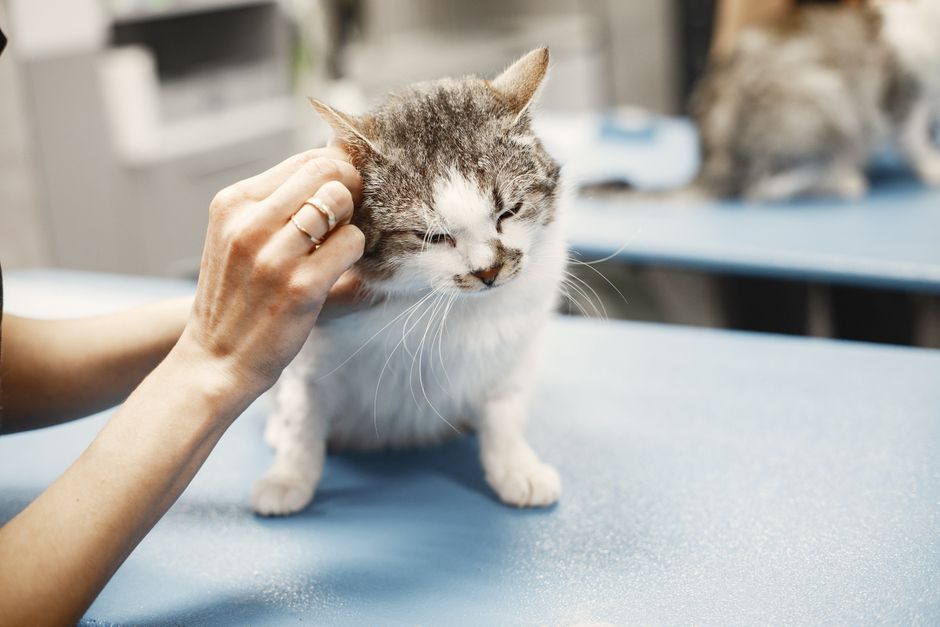
Our veterinarians will perform a comprehensive wellness examination and may recommend further diagnostics, such as skin scrapings, allergy testing, or lab work, to rule out infections, parasites, or other underlying causes. Early intervention allows for more effective treatment and a faster return to comfort for your pet.
If you are ever unsure whether your pet’s symptoms require immediate attention, our team is here to answer your questions and provide guidance tailored to your pet’s needs. Timely veterinary care can make all the difference in managing allergies and preventing secondary health issues.
Springtime Pet Allergies: Helping Your Best Friend Breathe Easier
Spring allergies can be challenging for both pets and their owners, but with the right knowledge and support, your dog or cat can enjoy the season comfortably. By recognizing early symptoms, working with your veterinarian to identify triggers, and implementing preventive steps at home, you give your pet the best chance at relief.
If your pet is struggling with itching, sneezing, or skin problems this season, our veterinary professionals at Hamlin Animal Hospital are ready to help. To schedule an allergy consultation or wellness examination, call our team at (407) 872-7772 or visit us at 14410 Shoreside Way, Suite 130, Winter Garden, FL 34787. When searching for a veterinarian near me, look for a clinic dedicated to comprehensive, compassionate care.
For more seasonal tips and pet health resources, explore our pet safety articles. We look forward to partnering with you and your pet for a happier, healthier spring in Winter Garden and the surrounding communities.
This article is intended for informational purposes only and does not substitute for professional veterinary advice. Please consult your veterinarian for personalized care recommendations.