Managing Pet Allergies in Florida’s Humid Spring


Managing Pet Allergies in Florida’s Humid Spring
If you have noticed your dog or cat scratching more than usual this May, you are not alone. Springtime in Winter Garden brings lush greenery, blooming flowers, and, unfortunately, a surge in allergens that can affect both people and pets. At Hamlin Animal Hospital, our team of veterinarians understands how frustrating it can be to watch your pet itch, sneeze, or develop skin problems as the Florida humidity climbs. In this blog, we will explore why allergies are so common for pets during our humid spring, what signs you should watch for, and how you can help your pet stay comfortable throughout allergy season. We will also explain the advanced allergy and dermatology services available at our Winter Garden clinic, and when it is time to schedule an appointment for professional help.
Recognizing the Signs of Pet Allergies
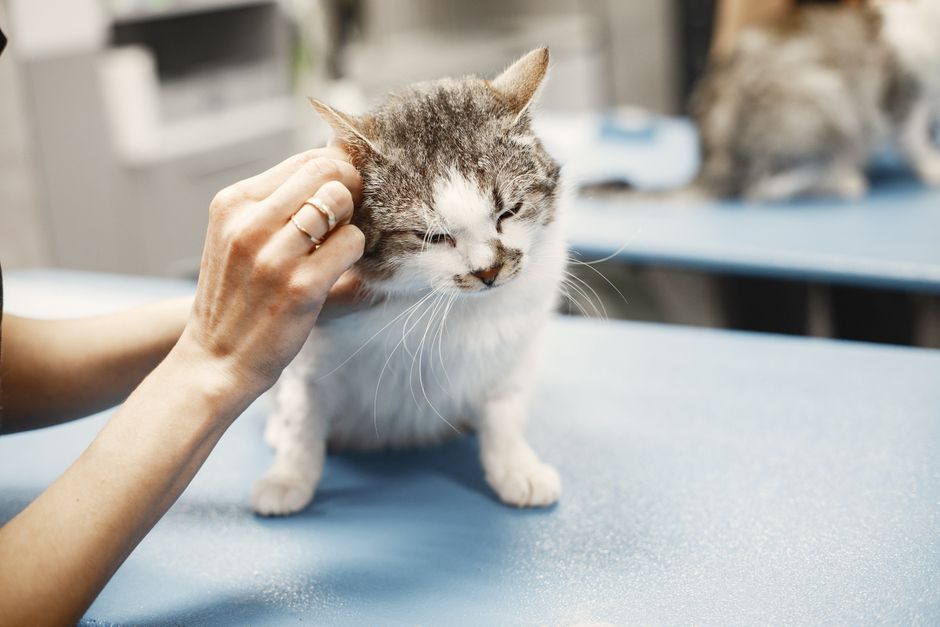
Pet allergies can show up in several ways, and the symptoms may not always be obvious at first. Dogs and cats with allergies often display itching that leads to frequent scratching, licking, or biting at their skin. You might notice red or inflamed skin, especially around the paws, ears, belly, or base of the tail. Pets may also develop recurrent ear infections, which sometimes cause head shaking or a bad odor from the ears. Other signs can include watery eyes, sneezing, or even gastrointestinal issues such as vomiting or diarrhea in rare cases. For some pets, hair loss or scabs develop due to constant irritation. If your pet seems uncomfortable, is losing interest in play, or is not sleeping well because of itching, these could all be linked to springtime allergies.
The team at Hamlin Animal Hospital is experienced in identifying subtle signs of allergies during routine wellness examinations, so if you are unsure whether your pet’s symptoms are normal or allergy-related, we can help clarify what is going on.
Common Causes of Allergies in Florida’s Humid Spring
Florida’s spring climate creates the perfect environment for a host of allergens that can affect pets. Environmental triggers are especially prevalent this time of year. Pollen from trees, grasses, and weeds becomes airborne in high concentrations with new plant growth. Mold spores also thrive in the warm, humid weather, floating inside and outside your home. In addition, dust mites multiply rapidly in damp conditions, which means even indoor pets are not immune to allergy trouble.
Flea allergies are another major culprit in our region. Even a single flea bite can trigger severe itching in sensitive pets, leading to a condition known as flea allergy dermatitis. With the warm, moist climate, flea populations can persist year-round but often spike in spring and summer. Lastly, some pets may develop allergies to certain foods or ingredients, which can complicate matters if environmental allergies are also present.
Understanding the underlying cause of your pet’s allergies is key to effective management. Our veterinarians use advanced allergy testing services to help pinpoint triggers, whether they are environmental, flea-related, or food-based.
Professional Treatment and Management Options
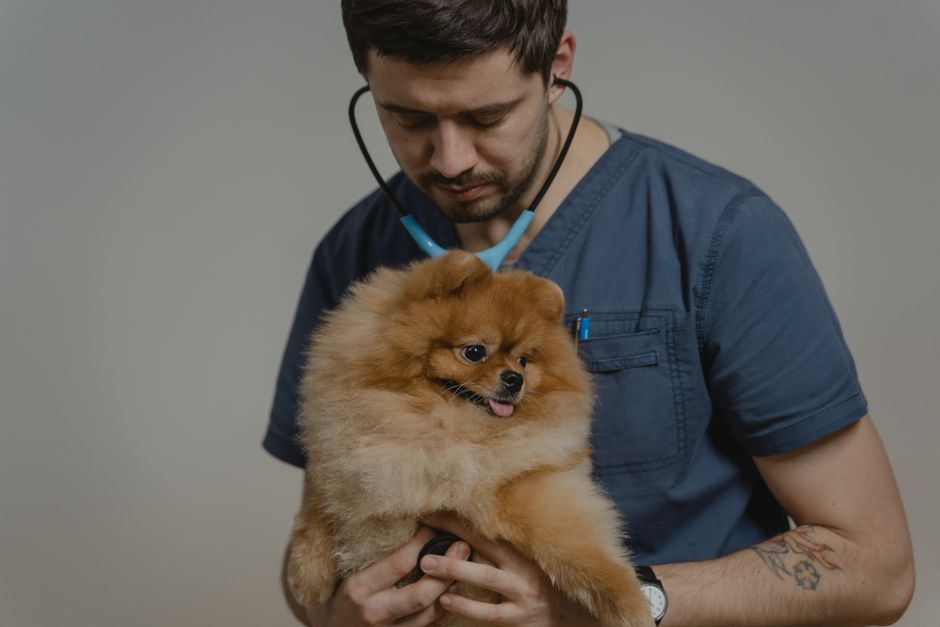
When you bring your pet to Hamlin Animal Hospital for allergy concerns, our veterinary professionals will start with a thorough examination. We will discuss your pet’s history, current symptoms, and any recent changes in their environment or diet. Sometimes, additional diagnostics such as skin scrapings, cytology, or bloodwork help us rule out other conditions that mimic allergies.
For many pets, allergy management includes a combination of strategies. Prescription medications such as antihistamines, corticosteroids, or newer allergy-specific drugs can help control itching and inflammation. Medicated shampoos or topical therapies may soothe the skin and reduce secondary infections. For pets with frequent skin or ear issues, our dermatology services offer targeted care and ongoing support.
In cases where food allergies are suspected, our veterinary team may recommend a prescription elimination diet to identify problematic ingredients. If environmental allergies are confirmed, immunotherapy or allergy shots can help desensitize your pet over time, reducing their reactions to specific triggers. Our veterinarians will tailor a treatment plan to your pet’s unique needs, with follow-up visits to monitor progress and adjust medications as necessary.
Preventing Allergy Flare-Ups and At-Home Care
While professional veterinary care is crucial for managing moderate to severe allergies, there are several steps pet owners can take at home to help their dogs and cats stay comfortable. Bathing your pet regularly with a gentle, veterinarian-approved shampoo can help wash away pollen and allergens that settle on the skin and coat. Wiping your pet’s paws and belly with a damp cloth after outdoor walks can further reduce allergen exposure.
Vacuuming carpets and washing pet beds often will cut down on dust mites and mold spores in your home. Using flea prevention products year-round is essential in Winter Garden, as even indoor pets are at risk for flea allergies. Keeping windows closed during high-pollen days and running an air purifier indoors may also provide relief for sensitive pets.
When making changes to your pet’s diet, always consult with your veterinarian first to ensure nutritional needs are met and to avoid inadvertently worsening symptoms. If you notice that certain treats or foods seem to trigger itching or digestive upset, mention these observations during your pet’s next appointment.
When to Seek Veterinary Care for Pet Allergies
Some mild allergy symptoms can be managed at home, but there are times when professional care is absolutely necessary. If your dog or cat is scratching so much that they are causing sores, bleeding, or hair loss, or if you notice signs of infection such as oozing skin, redness, or a foul odor, it is time to schedule a visit. Recurrent ear infections, persistent licking or chewing at the paws, and changes in appetite or energy are other red flags.
Allergy symptoms that do not improve with basic home care, or that seem to get worse quickly, should be evaluated by a veterinarian. In some cases, what looks like an allergy may actually be another underlying medical problem, so a professional diagnosis is essential. Our urgent care services are available for pets experiencing more serious symptoms or sudden discomfort that cannot wait for a routine appointment.
If you are searching for a vet near me because your pet’s allergy symptoms are getting out of hand, Hamlin Animal Hospital’s veterinary team is here to help with expert diagnostics and compassionate care.
Keeping Your Pet Comfortable in Florida’s Allergy Season
Managing allergies in Florida’s humid spring can be challenging for pet owners, but you do not have to navigate it alone. Early recognition of symptoms, understanding what triggers your pet’s discomfort, and partnering with an experienced veterinary team will make a world of difference for your pet’s health and happiness. At Hamlin Animal Hospital, we are committed to helping your dog or cat enjoy every season in Winter Garden and the surrounding communities.
If you are concerned about itchiness, skin problems, or other allergy symptoms, we invite you to schedule an appointment for a wellness examination or ask about our allergy and dermatology services. Contact Hamlin Animal Hospital at (407) 872-7772 or visit our convenient location at 14410 Shoreside Way, Suite 130, Winter Garden, FL 34787. You can also explore our allergy testing services or dermatology care to learn more about how we can help your pet feel their best. Trust our veterinarians to provide the expertise and support your pet needs to thrive, no matter what Florida’s spring brings.