Essential Summer Safety Tips for Dogs and Cats in Florida

Essential Summer Safety Tips for Dogs and Cats in Florida
As May ushers in the heat and humidity of summer in Central Florida, many pet owners in Winter Garden find themselves wondering how to keep their beloved dogs and cats safe and healthy during the steamy months ahead. At Hamlin Animal Hospital, our veterinary team knows that Florida summers can bring both joy and hazards for pets. From rising temperatures and sudden downpours to buzzing insects and seasonal toxins, summer presents unique challenges for pet safety and comfort. In this article, we will cover essential summer safety tips for dogs and cats, helping you recognize the risks, spot warning signs, and take proactive steps to keep your pet thriving all season long. Whether you are a longtime Winter Garden resident or new to the area, our team is here to support you with trusted advice and comprehensive veterinary care at our 14410 Shoreside Way, Suite 130, Winter Garden, FL 34787.
Recognizing Summer Risks for Dogs and Cats
Summer in Florida means more time outdoors, but it also means increased risks for your pets. Heatstroke, dehydration, sunburn, and exposure to harmful insects or plants are just some of the concerns that can affect both dogs and cats during the warmer months. Recognizing the signs of heat-related illness is crucial. Pets may pant excessively, drool more than usual, act lethargic, or seem unsteady on their feet. Some may refuse to eat, vomit, or even collapse in severe cases. For cats, symptoms can be subtle—look for unusual hiding, rapid breathing, or a warm body to the touch.
Additionally, Florida’s rainy season brings puddles and standing water, which can harbor bacteria and parasites. Watch for cuts or sores that don’t heal, as these may become infected after walks in damp areas. Insects like mosquitoes, fleas, and ticks also become more active, increasing the risk of diseases such as heartworm and tick-borne illnesses. Recognizing these risks early helps you take action before they escalate.
Why Do Summer Hazards Affect Pets in Florida?
Florida’s climate is unique, with high humidity, soaring temperatures, and frequent thunderstorms from late spring through early fall. Dogs and cats are especially sensitive to heat because they do not sweat like humans; instead, they rely on panting and limited sweat glands in their paws to cool off. This makes them more susceptible to overheating, especially during midday walks or playtime in direct sun.
Brachycephalic breeds (such as Bulldogs, Pugs, and Persians) struggle even more due to their shorter snouts, which restrict airflow. Overweight pets and those with underlying health conditions are at increased risk of heat-related illnesses as well. Thunderstorms and loud fireworks, common during Florida summers, can also trigger anxiety in pets, sometimes causing them to bolt from yards or slip out of homes in search of a safe spot. Understanding these environmental factors helps you better protect your pet from preventable harm.
Professional Treatment and Support for Summer Hazards
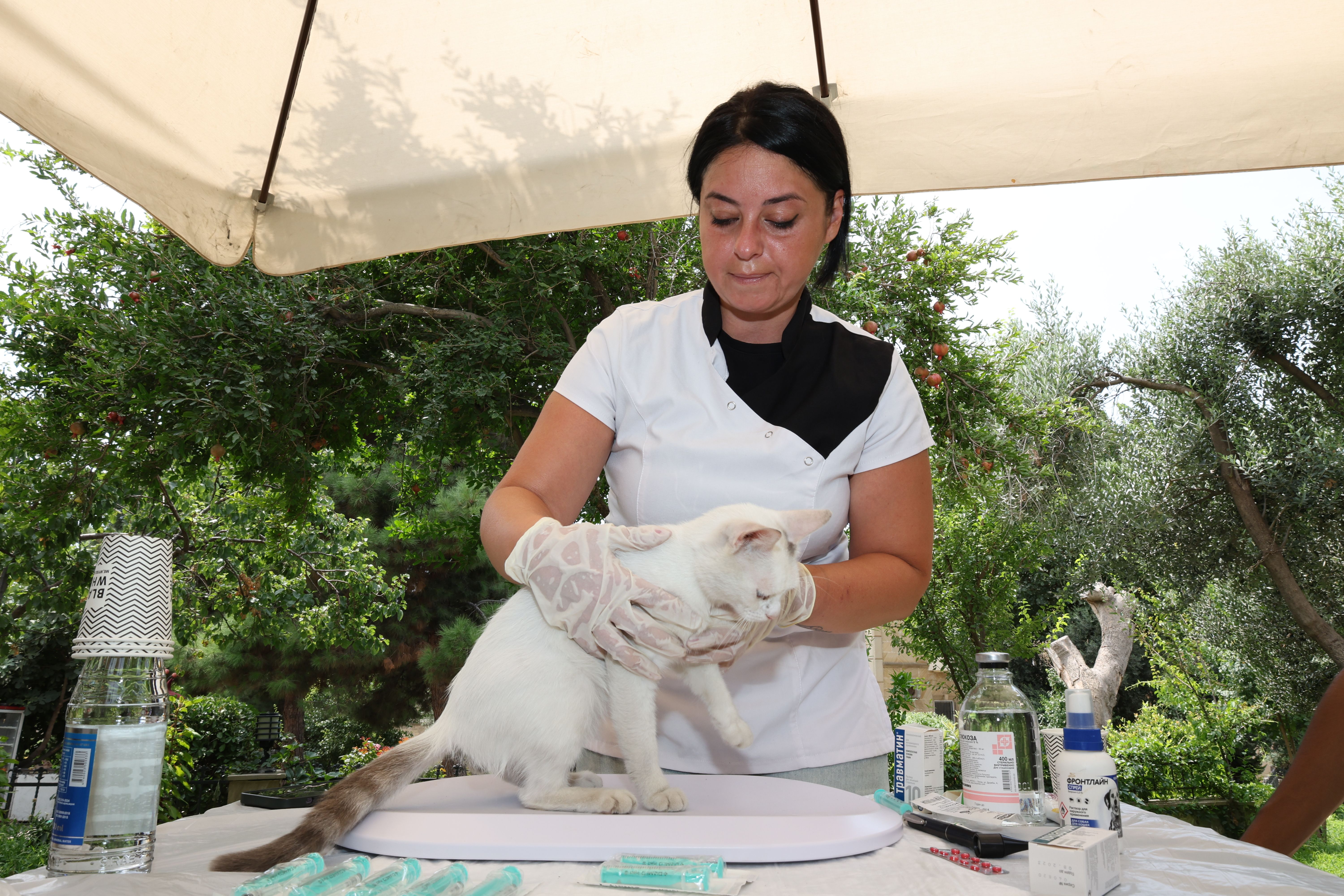
If your dog or cat shows signs of heatstroke, dehydration, or injury, immediate veterinary attention is critical. Our team at Hamlin Animal Hospital is equipped to handle a wide range of summer-related emergencies and illnesses. Treatment for heatstroke may involve carefully cooling your pet, administering intravenous fluids, and monitoring organ function. For dehydration, our veterinarians provide supportive care to restore fluid balance and address any underlying causes.
Insect-related conditions, such as flea infestations or tick-borne diseases, require prompt intervention. We can recommend safe, effective parasite prevention tailored to your pet’s needs and lifestyle. For injuries or infections acquired during outdoor adventures, our diagnostic laboratory and advanced imaging services enable us to quickly assess and treat wounds, skin infections, and other complications. If you are concerned about seasonal allergies manifesting as itchy skin, our dermatology and allergy testing services can help pinpoint triggers and provide lasting relief.
To ensure your pet’s ongoing health, we recommend scheduling a wellness examination before the height of summer. This visit allows us to screen for underlying issues, update vaccinations, and discuss any specific concerns you have about your pet’s summer routine.
Preventing Summer Illnesses and Injuries at Home
Prevention is always better than cure, especially during Florida’s summer months. There are several steps you can take to keep your dog or cat safe and comfortable. Always provide fresh, cool water and shade whenever your pet is outdoors. Limit walks and playtime to early morning or evening hours when temperatures are lower. Never leave your pet in a parked car, even for a few minutes; interior temperatures can climb rapidly, leading to life-threatening heatstroke.
Use pet-safe sunscreen on areas with thin or light-colored fur, especially on noses, ears, and bellies. Regularly check your yard for toxic plants, mushrooms, or standing water, which can pose hidden dangers. Keep up with monthly flea, tick, and heartworm prevention, as these parasites thrive in Florida’s warm, humid climate.
Indoor cats are not immune to summer hazards. Ensure they have access to cool, ventilated spaces and monitor for any signs of heat stress. If your cat enjoys window perches, make sure screens are secure to prevent accidental falls. For both dogs and cats, create safe spaces indoors where they can retreat during thunderstorms or fireworks.
For more tips on keeping your pets safe throughout the year, browse our collection of educational pet safety articles.
When to Seek Veterinary Care for Summer-Related Problems
Knowing when to seek professional help can make all the difference in your pet’s recovery. If your dog or cat exhibits any of the following symptoms, contact Hamlin Animal Hospital right away: excessive panting or drooling, difficulty breathing, vomiting, diarrhea, unsteady gait, collapse, or seizures. Other warning signs include red or pale gums, refusal to drink water, or persistent lethargy. Time is critical in cases of heatstroke or severe dehydration; never attempt to treat these conditions at home without veterinary guidance.
If your pet is bitten or stung by an insect and develops swelling, hives, or difficulty breathing, seek immediate care. Skin wounds, persistent itching, or sudden changes in behavior should also prompt a visit to the clinic. For after-hours concerns, monitor your pet closely and call us for advice if you are unsure whether an issue warrants an urgent appointment.
Our experienced veterinary professionals are committed to helping your pet recover quickly and comfortably. If you are worried about a potential emergency, our urgent veterinary care services are available during our regular business hours.
Helping Your Pet Thrive All Summer in Winter Garden
Summer in Florida can be a wonderful time for you and your pet, filled with adventures and relaxation. By staying vigilant for signs of heat stress, providing preventive care, and knowing when to seek professional help, you can ensure your dog or cat enjoys a safe and happy season. At Hamlin Animal Hospital, we are dedicated to supporting pet owners in Winter Garden and surrounding communities with compassionate, expert veterinary care.
If you have questions about summer safety, need to update your pet’s preventive medications, or want to schedule a wellness exam, our team is here to help. You can reach us at (407) 872-7772 or visit us at 14410 Shoreside Way, Suite 130, Winter Garden, FL 34787. When searching for a reliable veterinarian near me, trust Hamlin Animal Hospital to care for your pet as if they were our own. Remember, early action and regular veterinary checkups are the best ways to keep your pet happy and healthy all summer long.
For more information and resources on pet health and safety, explore our pet safety articles or schedule your next wellness examination today. We look forward to partnering with you for a wonderful, worry-free summer with your pets.