Protecting Pets from March Storms in Winter Garden


Protecting Pets from March Storms in Winter Garden
When the calendar flips to March in Winter Garden, Florida, pet owners know that unpredictable weather is just around the corner. Spring often brings sudden thunderstorms, heavy rain, gusty winds, and even the occasional tornado warning. For our beloved dogs and cats, these weather changes are more than a minor inconvenience; storms can trigger intense anxiety, dangerous behaviors, and even medical emergencies. At Hamlin Animal Hospital, our team of veterinarians understands how stressful storm season can be for both pets and their families. That is why we focus on providing comprehensive care and practical guidance to help you and your pet navigate Florida’s stormy spring safely and comfortably. In this article, you will learn how to spot the signs of storm-related distress, understand why pets react to storms, discover proven ways to calm your pet, and know when to seek veterinary help. We will also share how our veterinary professionals at 14410 Shoreside Way, Suite 130, Winter Garden, FL 34787 can support your pet’s health through Florida’s unpredictable March weather. For additional tips on pet storm safety, you can also explore our pet safety articles designed with the needs of Winter Garden pet owners in mind.
Recognizing the Signs of Storm Anxiety and Distress in Pets
Storms can affect pets in many ways, from mild restlessness to severe panic. It is important for pet owners in Winter Garden and the surrounding communities to recognize the symptoms of storm-related anxiety so that they can intervene early and provide comfort. Common signs that your dog or cat is feeling stressed by a storm include trembling, panting, pacing, hiding under furniture, excessive vocalizing, or attempting to escape. Other pets may exhibit destructive behaviors such as chewing doors, scratching at windows, or urinating indoors, which can be especially concerning during severe weather. Cats may also groom excessively, freeze in one spot, or retreat to hidden spaces for hours. In some cases, you might notice changes in appetite or gastrointestinal upset, such as vomiting or diarrhea, triggered by the stress of thunder and lightning. Recognizing these signs promptly allows you to provide reassurance and seek appropriate help if your pet’s anxiety becomes overwhelming.
Why Do Pets React to Florida’s March Storms?
Understanding the root causes of storm anxiety in pets can help you respond with empathy and effectiveness. Dogs and cats perceive storms very differently from humans. Their acute senses allow them to detect subtle changes in barometric pressure, static electricity, and even the scent of ozone before a storm arrives. The loud claps of thunder, flashes of lightning, and howling winds are startling for most animals, while the unpredictable nature of storms makes it difficult for pets to feel secure. In areas like Winter Garden, where March weather can shift from sunny skies to sudden downpours, pets may not have time to adjust, which can heighten their stress. Some researchers believe that genetics play a role, as certain breeds seem more prone to noise phobias. Past traumatic experiences, such as being caught outside during a storm or previous negative associations with loud noises, can also contribute to a pet’s sensitivity. The close bond between pets and their families means that animals often pick up on their owners’ stress as well, which can further intensify anxiety during severe weather.
Supporting Your Pet: Veterinary Care and Safe Management Strategies
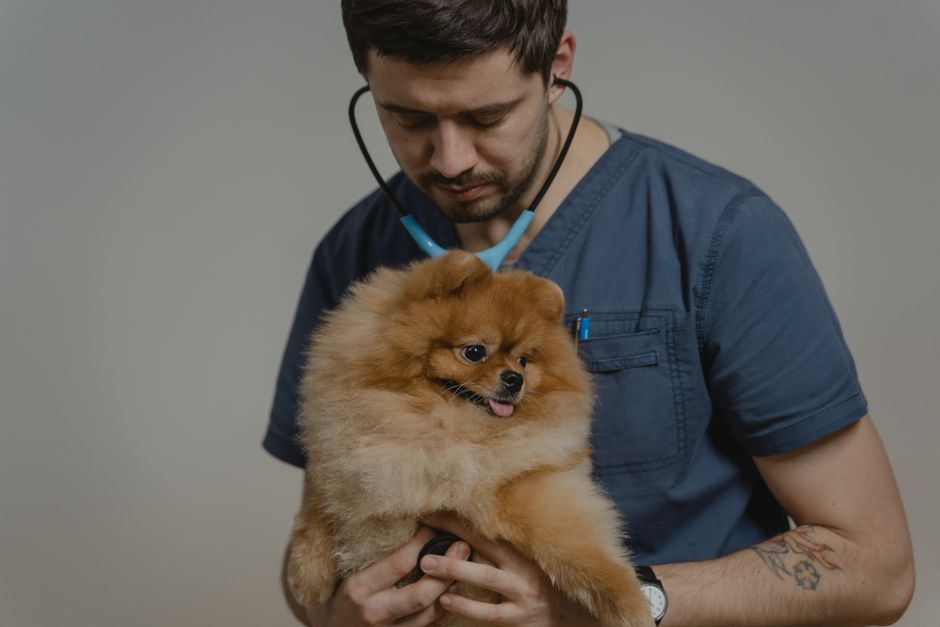
At Hamlin Animal Hospital, we believe that every pet deserves compassionate, individualized care, especially during storm season. Our veterinary professionals recommend a multi-faceted approach to managing storm anxiety, starting with a thorough wellness examination. During your pet’s comprehensive wellness exam, we can evaluate their physical and emotional health, discuss their history of storm-related stress, and identify any underlying medical concerns that could make anxiety worse, such as heart problems or chronic pain.
Treatment and management strategies for storm anxiety often involve a combination of environmental changes, behavioral techniques, and, in some cases, short-term medications or supplements. Creating a safe, comfortable space inside your home, such as a quiet room or a cozy crate with familiar bedding and toys, can help your pet feel more secure. Playing calming music or using white noise machines may help mask thunderclaps and wind gusts. For some pets, anxiety wraps or snug-fitting shirts provide gentle pressure that soothes their nerves. Our veterinarians can guide you through the process of desensitization and counterconditioning, which involve gradually exposing your pet to storm sounds in a controlled environment to reduce their fear over time.
When anxiety is severe or persistent, we may discuss the use of prescription medications, natural supplements, or pheromone diffusers to help your pet cope. The choice depends on your pet’s health, age, and individual response, and our veterinary team will tailor recommendations to your specific situation. For pets with concurrent medical issues or those who exhibit dangerous behaviors during storms, we may need to consider additional interventions, such as anti-anxiety medications or referral to a veterinary behaviorist. Throughout this process, we maintain open communication with you to ensure your pet receives the best possible care.
Practical Steps for Storm Preparation at Home
Preparation is key when it comes to protecting your pet from the unpredictable March weather in Winter Garden. Start by ensuring your pet’s identification is up to date, including a secure collar with ID tags and a registered microchip, so they can be returned to you quickly if they escape during a storm. Keep your pet indoors before, during, and after storms; this not only prevents injuries from flying debris but also minimizes exposure to frightening noises. Stock up on your pet’s medications, food, and comfort items in case severe weather disrupts local supplies. Designate a storm-safe area in your home where your pet can retreat, such as an interior room away from windows. Include their favorite bed, a few toys, and a water bowl to make the space inviting.
Practice calm behavior yourself during storms, as pets are highly sensitive to their owners’ moods. If you know your pet is especially anxious, consider using calming products such as pheromone sprays or anxiety wraps before the storm hits. Gradual desensitization exercises, which involve playing recordings of storm sounds at low volumes and rewarding calm behavior, can help some pets feel less fearful over time. Always supervise your pet during loud weather, and never force them to confront their fears or punish them for anxious behavior. Consistency and patience are vital for helping pets learn that storms are not a threat.
For more detailed preparation tips and storm safety advice, you can visit our pet safety articles, where our veterinary professionals share guidance specific to the Winter Garden area.
When to Seek Veterinary Care During Storm Season
While many pets experience only mild anxiety during storms, there are times when professional intervention is necessary. If your pet’s fear leads to destructive or self-injurious behavior, such as breaking through windows or doors, it is time to reach out for help. Other red flags include persistent hiding for hours after a storm, refusal to eat or drink, or any signs of illness like vomiting or diarrhea that cannot be explained by another cause. If your pet has a known history of severe phobias, medical conditions that could be worsened by stress, or if you notice sudden changes in behavior during storm season, schedule an appointment with our team of veterinarians at Hamlin Animal Hospital.
Sometimes, storm anxiety can mimic or mask underlying health issues. For example, panting and restlessness can be caused by heart disease, pain, or metabolic problems. A thorough veterinary assessment will help rule out medical causes and ensure your pet receives the right treatment. Our veterinary professionals are experienced in supporting both physical and emotional health, and we can help you create a tailored plan for storm safety and anxiety management. If your pet requires urgent evaluation due to storm-related injuries or severe distress, we offer urgent care services to address immediate concerns.
Storm Safety and Your Pet: A Commitment to Ongoing Care
Spring storms are a fact of life in Winter Garden, but with the right preparation and support, your pet can weather the season safely and comfortably. Pay close attention to your pet’s behavior during storms, create a secure and calming environment at home, and do not hesitate to reach out for professional guidance when needed. At Hamlin Animal Hospital, we are committed to helping pets and their families feel confident no matter what the forecast holds.
If you have concerns about your pet’s storm anxiety or want to create a personalized safety plan, we invite you to schedule an appointment with our veterinary team. When searching for a veterinarian near me, it is important to choose a clinic that understands the unique challenges of Florida’s storm season. Our veterinarians at 14410 Shoreside Way, Suite 130, Winter Garden, FL 34787 are here to help with everything from wellness exams to storm anxiety management and urgent care. For more information or to schedule your visit, call (407) 872-7772 or explore our pet safety articles for additional tips. Your pet’s comfort and safety are always our top priorities—let us be your trusted resource for veterinary care in Winter Garden and the surrounding communities.
This article is intended for informational purposes only and should not be used as a substitute for professional veterinary advice. Always consult your veterinarian for specific concerns about your pet’s health and well-being. For further reading on pet storm safety, you may also find the American Veterinary Medical Association’s storm preparedness guide helpful.