How to Keep Pets Cool in Warm Spring Weather


How to Keep Pets Cool in Warm Spring Weather
As spring arrives in Winter Garden, longer days and rising temperatures can be a welcome change for you and your pets. However, Florida’s spring warmth also brings new challenges for keeping your dog or cat safe and comfortable. Pet owners often worry about their animal overheating or suffering from heat stress as the days get sunnier. At Hamlin Animal Hospital, located at 14410 Shoreside Way, Suite 130, Winter Garden, FL 34787, our veterinary team understands how important it is to protect pets from the risks of spring heat. In this guide, we will cover how to recognize signs of overheating in dogs and cats, explore why pets are especially sensitive to warm weather, share practical tips to help keep them cool, and outline when it is time to seek veterinary care. Our mission is to help you enjoy a safe, happy spring with your furry companions while making the most of the beautiful Florida sunshine.
Recognizing Overheating: Signs Your Pet May Be Too Hot
With the arrival of spring, it is crucial for pet owners to recognize when their dog or cat might be getting too warm. Unlike humans, pets have limited ways to cool themselves. Dogs primarily rely on panting, while cats often seek out cool, shaded spots. Both species are vulnerable to heat stress, especially during outdoor play or walks on warmer days.
Common signs that your pet may be overheating include excessive panting, drooling, and restlessness. In dogs, you may notice that your pet is struggling to catch their breath, has a rapid heartbeat, or is seeking out tile floors or shaded areas. Cats might appear lethargic, breathe with their mouth open, or become less responsive than usual. Other warning signs are bright red gums, vomiting, or even collapse. If your pet seems distressed or unsteady after a walk or time outside, these could be signals that immediate action is needed.
It is important to remember that pets with certain risk factors may be more likely to overheat. Brachycephalic breeds, such as Bulldogs and Persians, pets with thick coats, older animals, puppies, kittens, and those with underlying health conditions are especially at risk. Even a short time outside can be dangerous if the temperature and humidity spike unexpectedly.
Why Pets Are Vulnerable to Spring Heat
Understanding why your pet is sensitive to springtime warmth can help you prevent overheating. Unlike people, pets do not sweat efficiently; dogs have sweat glands only in their paw pads, and cats have even fewer. This means they rely heavily on panting and seeking cooler environments to regulate their body temperature.
As the weather shifts in Winter Garden and the surrounding communities, pets can be caught off guard by rapid temperature changes. Florida’s spring can bring sudden heat waves or high humidity, compounding the challenge. Asphalt, concrete, and sand can heat up quickly, raising the risk of paw pad burns or overheating during a routine walk.
For pets used to cooler indoor temperatures, a sudden burst of activity outside in the spring sun can overload their ability to cool down. Thick or dark-colored coats hold on to heat more readily, and certain breeds are genetically less equipped to handle warm, humid weather. Extra body weight can also make it harder for your pet to stay cool, as fat acts as insulation. By being aware of these vulnerabilities, you can take proactive steps to safeguard your pet’s well-being.
Professional Treatment and What to Expect if Your Pet Overheats
If you suspect your dog or cat is suffering from heat exhaustion or heatstroke, immediate action is crucial. Veterinary attention can be lifesaving. At Hamlin Animal Hospital, our team is prepared to provide thorough assessment and supportive care for pets experiencing heat-related illness.
Treatment approaches for overheated pets often involve cooling interventions, intravenous fluids, and careful monitoring of organ function. Rapid cooling can include applying cool (not ice-cold) wet towels to your pet’s body, using fans, or offering small amounts of cool water if your pet is alert and able to swallow. Never force water or submerge your pet in ice water, as this can cause shock. Once your pet is stabilized, our veterinarians will assess for complications such as dehydration, electrolyte imbalances, or organ damage.
If your pet has experienced a heat-related emergency, we may recommend follow-up diagnostics, such as blood work or urinalysis, to check for lingering effects. Our clinic offers urgent care services for situations that require immediate attention. We encourage you to contact us right away if you are worried about your pet’s condition following exposure to heat.
Keeping Pets Cool at Home: Prevention and Practical Tips
Preventing overheating is always preferable to treating it. As a pet owner, you can take simple, effective steps to help your dog or cat stay cool during the warm spring months in Winter Garden.
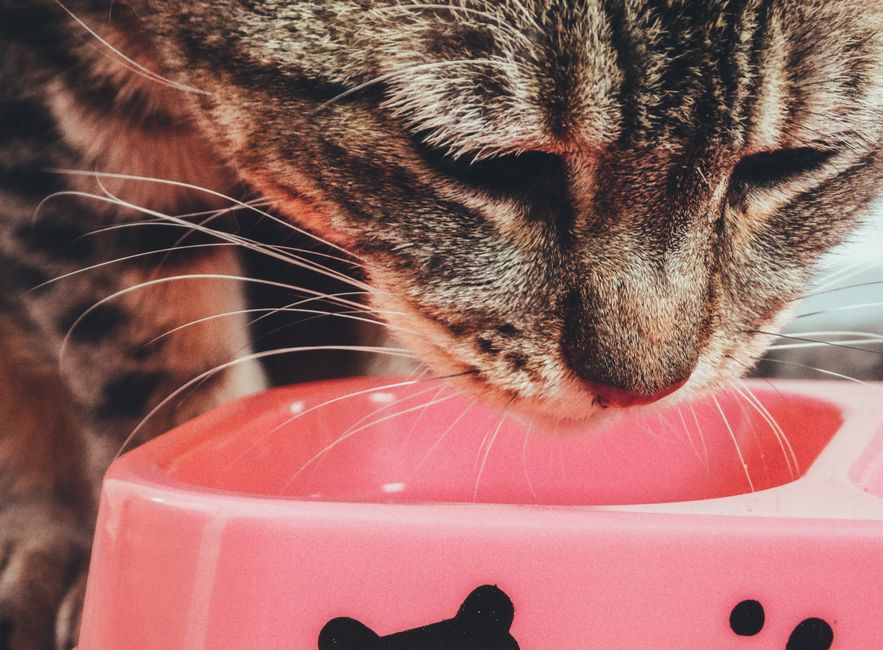
The most important strategy is to adjust your pet’s outdoor activities to avoid the hottest parts of the day. Early morning or late evening walks are safest when temperatures are lower. Always provide access to fresh, cool water both indoors and outdoors, and refill bowls frequently as pets tend to drink more in warm weather.
Create shaded rest areas in your yard or patio, and consider using cooling mats or fans indoors. For cats, offer elevated beds or access to cooler tile or bathroom floors. Never leave your pet in a parked car, even for a short period, as interior temperatures can skyrocket within minutes.
Grooming also plays a key role in spring heat management. Regular brushing removes excess undercoat, which can help improve air circulation against the skin. However, avoid shaving double-coated breeds, as their fur actually protects them from sunburn and helps regulate body temperature.
If your pet enjoys water, supervised play with a kiddie pool or gentle hose can be a fun way to cool off. Watch for signs that your pet has had enough, and encourage rest breaks. For more seasonal advice on pet safety, you can explore our pet safety articles, which provide helpful guidance for keeping your pets healthy all year long.
When to Seek Veterinary Care for Heat Concerns
Knowing when to contact your veterinarian is essential for your pet’s safety. If you notice any signs of heat exhaustion or heatstroke—such as excessive panting, drooling, vomiting, confusion, or collapse—take action immediately. Begin gentle cooling efforts and call Hamlin Animal Hospital as soon as possible. Pets exhibiting severe symptoms need urgent care to prevent life-threatening complications.
Even if your pet seems to recover after a heat episode, a veterinary checkup is recommended. Some effects of overheating may not be visible right away. Our veterinary team can perform a wellness examination to assess for any hidden health issues and provide tailored advice for your pet’s unique needs.
Additionally, pets with chronic conditions, older animals, or those on certain medications may need extra monitoring during warm weather. If you have questions about your pet’s risk factors or want to review their preventive care plan, our team is here to support you with practical, personalized recommendations.
Keeping Your Pet Safe and Comfortable This Spring
Spring in Winter Garden offers many opportunities to enjoy the outdoors with your furry friends, but it is vital to stay vigilant about rising temperatures. By watching for signs of overheating, understanding why pets are at risk, and following the preventive steps outlined above, you can keep your dog or cat comfortable and safe as the weather warms up.
If you ever have concerns or notice changes in your pet’s behavior, do not hesitate to reach out to our veterinary professionals for guidance. You can schedule an appointment with Hamlin Animal Hospital for a checkup or immediate care by calling (407) 872-7772 or visiting us at 14410 Shoreside Way, Suite 130, Winter Garden, FL 34787. When searching for a veterinarian near me, choose a local veterinary team that prioritizes your pet’s comfort and wellbeing. Our commitment is to help pets in Winter Garden and the surrounding communities enjoy a safe, happy, and healthy spring.
For additional seasonal tips and resources, be sure to browse our pet safety articles or ask about preventive care during your next visit. Your pet’s health and happiness are our top priorities, every season of the year.