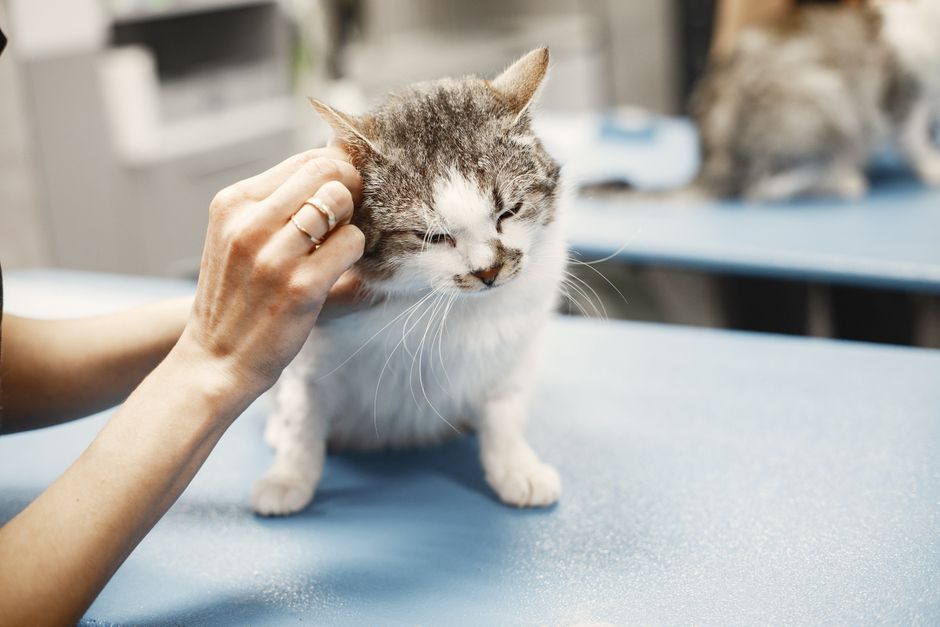
How to Make Your Pet’s Diet Balanced: Expert Tips

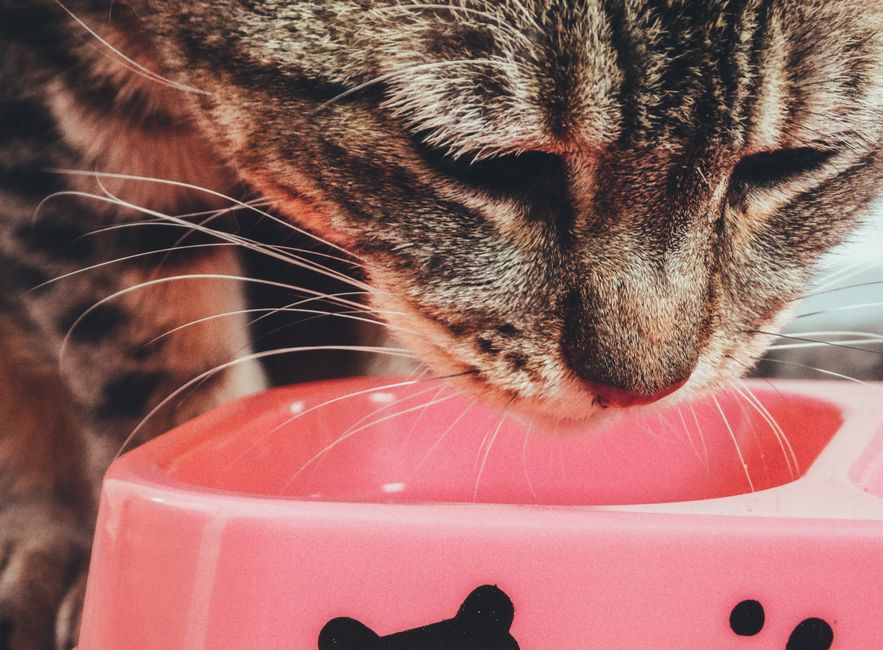
How to Make Your Pet’s Diet Balanced: Expert Tips from Hamlin Animal Hospital
Every pet owner wants their dog or cat to thrive, but with so many pet food options on the market, understanding how to make a pet’s diet balanced can feel overwhelming. At Hamlin Animal Hospital, located right here in Winter Garden, FL, we know that your pet’s nutrition is the foundation of their lifelong health and happiness. Whether you have a playful kitten, a senior dog, or a pet with special dietary needs, our veterinary team is here to guide you in making informed choices. In this blog, we will explore what a balanced diet really means for your pet, how to recognize nutritional gaps, and what steps you can take at home to support your companion’s wellbeing. You’ll learn about essential nutrients, food selection, warning signs of dietary imbalance, and when to seek professional help. If you’re concerned about your pet’s nutrition or simply want to give them the healthiest life possible, you’re in the right place. For those considering a wellness examination to discuss your pet’s diet, our veterinarians are always ready to help.
Recognizing Signs of Imbalanced Nutrition in Pets
Before diving into the details of how to make a pet’s diet balanced, it’s important to recognize when your pet might not be getting the nutrition they need. Pets with imbalanced diets can show a variety of signs that range from subtle to severe. Key symptoms include a dull or brittle coat, frequent itching, excessive shedding, or flaky skin. You might also notice changes in your pet’s weight, whether that’s unintentional weight loss or gain. Digestive issues such as vomiting, diarrhea, or constipation can also indicate dietary problems. Other warning signs are low energy, increased thirst, poor muscle tone, or an overall decline in activity. In some cases, pets may express their discomfort through behavioral changes like irritability or a lack of interest in play. If you notice any of these signs, it’s a good idea to evaluate your pet’s current diet and consult with a veterinary professional. Regular wellness examinations at Hamlin Animal Hospital can help identify the root cause and ensure your pet is on the right nutritional path.
What Does a Balanced Diet Mean for Dogs and Cats?
Understanding how to make a pet’s diet balanced starts with knowing the essential nutrients your pet requires. Dogs and cats have different nutritional needs based on their species, age, breed, activity level, and health status. For both, a complete and balanced diet should provide the right proportions of protein, fat, carbohydrates, vitamins, and minerals.
For dogs, quality protein sources such as chicken, beef, or fish support muscle health and energy. Fats are important for skin, coat, and brain function, while carbohydrates provide a steady source of fuel. Cats, as obligate carnivores, require higher amounts of animal-based proteins and specific nutrients like taurine, which is essential for their heart and eye health. Both species need a variety of vitamins and minerals, including calcium, phosphorus, zinc, and vitamins A, D, and E. Water is another crucial element, and ensuring your pet has constant access to clean, fresh water is a key part of overall nutrition.
Feeding commercial pet foods labeled “complete and balanced” by the Association of American Feed Control Officials (AAFCO) is a reliable way to meet these needs. However, not all pet foods are created equal, so it’s wise to discuss your choices with your veterinarian, especially if your pet has unique dietary requirements. Some pets may need prescription diets or specialized formulas to address health conditions like allergies, obesity, or kidney disease. Our veterinary team in Winter Garden can help you navigate these options and tailor recommendations to your pet’s individual needs.
Causes of Nutritional Imbalances in Pets
There are several reasons why a pet’s diet might become unbalanced, even with the best intentions. Feeding table scraps or homemade diets without veterinary guidance can lead to deficiencies or excesses in certain nutrients. Some pet owners may unknowingly choose foods that are incomplete or inappropriate for their pet’s life stage. For example, feeding a kitten or puppy an adult formula, or vice versa, can cause developmental problems.
Food allergies or intolerances can also disrupt your pet’s ability to absorb nutrients. Additionally, certain medical conditions like diabetes, thyroid dysfunction, or gastrointestinal diseases can interfere with nutrient uptake and utilization. In multi-pet households, one pet may eat another’s food, leading to imbalances. Rapid changes in diet without a gradual transition can upset your pet’s digestive system.
It’s also important to consider that nutritional needs change over time. Senior pets, pregnant or lactating females, and those recovering from illness or surgery often require special dietary adjustments. Routine check-ups and diagnostic testing, such as those offered through our diagnostic laboratory services, can help identify hidden deficiencies or medical issues that may impact your pet’s nutritional status.
Steps to Make Your Pet’s Diet Balanced
Taking action to improve your pet’s nutrition begins with knowledge and a proactive approach. For most pet owners, feeding a high-quality commercial diet that meets AAFCO standards is the simplest way to provide balanced nutrition. When selecting pet food, check the label for a statement indicating the food is “complete and balanced” for your pet’s life stage. This ensures the food contains all essential nutrients in the right proportions.
If you are considering a home-cooked or raw diet, always consult with a veterinarian first. Homemade diets can be beneficial for pets with food allergies or sensitivities, but they require careful formulation to avoid nutritional gaps. Our veterinarians can provide guidance or refer you to a board-certified veterinary nutritionist to help design a recipe tailored to your pet.
Portion control is another key factor. Overfeeding or underfeeding can lead to obesity or nutrient deficiencies. Use a measuring cup to serve your pet’s food, and monitor their body condition regularly. Adjust portions based on your pet’s activity level, age, and health status. Treats should make up no more than ten percent of your pet’s daily caloric intake, and table scraps should be avoided whenever possible.
Regular exercise complements a balanced diet and helps maintain a healthy weight. Keeping your pet active through daily walks, playtime, and mental stimulation supports digestion and overall wellness.
If you notice any changes in your pet’s coat quality, appetite, or energy levels, or if you have concerns about their current diet, schedule a consultation with our veterinary team. A wellness examination is the perfect time to review your pet’s diet and discuss any questions you may have.
Home Care Tips for Supporting Your Pet’s Nutrition
Caring for your pet’s diet at home goes beyond just choosing the right food. Start by providing fresh, clean water at all times, as hydration is crucial for every aspect of your pet’s health. Establish a consistent feeding routine, offering meals at the same times each day to support healthy digestion and prevent overeating.
Keep food and water bowls clean to avoid bacterial growth. Store pet food in a cool, dry place to preserve its freshness and nutritional value. If you use canned or raw foods, refrigerate leftovers promptly and follow safe food handling guidelines.
Be observant for changes in your pet’s appetite, stool quality, or weight. These can be early signs of nutritional issues or other health concerns. Weigh your pet regularly and track their body condition. If you ever need guidance, the pet health education resources on our website offer helpful articles and tips on animal wellness and nutrition.
Remember that treats, while great for training and bonding, should be offered in moderation. Choose low-calorie, pet-safe treats and avoid giving human foods that can be toxic to pets, such as chocolate, grapes, onions, or garlic.
When to Seek Veterinary Help for Your Pet’s Nutrition
While many aspects of how to make a pet’s diet balanced can be managed at home, there are times when professional input is essential. Schedule a veterinary visit if your pet is experiencing persistent digestive issues, unexplained weight loss or gain, chronic skin or coat problems, or changes in appetite or behavior. Puppies, kittens, senior pets, and those with chronic health conditions should have their diets reviewed more frequently.
If you are considering a homemade or raw diet, want to switch foods, or are unsure about the best nutrition plan for your pet, our veterinarians can help you make safe, informed choices. Diagnostic testing may be recommended to rule out underlying health issues that could impact your pet’s nutrition. The earlier a problem is identified, the easier it is to address with a tailored feeding strategy and medical support.
Our veterinary team at Hamlin Animal Hospital is committed to helping you provide balanced nutrition and optimal health for your pet. We welcome questions and encourage regular wellness examinations to keep your pet’s diet on track.
Give Your Pet the Healthy Life They Deserve: Contact Hamlin Animal Hospital Today
Your pet’s health starts with what goes into their food bowl each day. By understanding how to make a pet’s diet balanced and working with your local veterinary professionals, you can give your dog or cat the best chance at a long, happy life. If you have questions or want personalized advice regarding your pet’s nutrition, the veterinarians at Hamlin Animal Hospital in Winter Garden are here for you. Schedule an appointment for a wellness examination or reach out for expert guidance.
When searching for a veterinarian near me in Winter Garden and the surrounding communities, trust our team to provide the compassionate care and nutritional expertise your pet deserves. To learn more, call us at (407) 872-7772 or visit us at 14410 Shoreside Way, Suite 130, Winter Garden, FL 34787. Explore additional resources in our learning center or read more about pet health in our veterinary blog. Together, we can help your pet thrive through every stage of life.
The information provided in this blog is for educational purposes only and should not replace professional veterinary advice. Please consult your veterinarian before making significant changes to your pet’s diet or health routine.