Beating Fleas and Ticks in Florida: September Pet Protection Guide


Beating Fleas and Ticks in Florida: September Pet Protection Guide
Florida’s September heat and rainfall create the perfect storm for fleas and ticks, making this month especially challenging for pet owners in Winter Garden and the surrounding communities. If you have ever watched your dog or cat scratch relentlessly or found a tick after a walk, you know how quickly these pests can become both a nuisance and a serious health threat. At Hamlin Animal Hospital, located at 14410 Shoreside Way, Suite 130, Winter Garden, FL 34787, our veterinary team is dedicated to helping families protect their pets from the discomfort and dangers of parasites. In this guide, we will explore why flea and tick prevention is so critical in our region, how to spot problems early, what you can do at home, and when it’s time to schedule an appointment for professional care. Whether you are new to Florida or a lifelong resident, read on for practical tips and local expertise to keep your pet safe, comfortable, and parasite-free all year long.
Recognizing Flea and Tick Problems in Your Pet
Fleas and ticks are more than just a source of irritation; they can cause lasting health issues for dogs and cats. Recognizing the warning signs early is key to ensuring your pet stays healthy and comfortable. Common indicators that your pet might be dealing with fleas include frequent scratching, biting, or licking, especially around the base of the tail, groin, or belly. Some pets develop red, scabby skin or even experience hair loss in affected areas. You might notice flea dirt, which resembles tiny black specks, on your pet’s skin or bedding. With ticks, the signs may be less obvious. You may find an attached tick while petting your dog or cat, or observe a small, swollen area where a tick has recently fed. Unexplained lethargy, loss of appetite, or even lameness can sometimes signal a tick-borne illness. Both fleas and ticks can trigger allergic reactions in sensitive pets, so sudden increases in itching or skin irritation should always be taken seriously. If your dog or cat seems unusually uncomfortable or shows any of these symptoms, it’s time to investigate further.
Why Fleas and Ticks Thrive in Florida’s September Weather
Florida’s climate is famous for its warm temperatures and high humidity, especially in late summer and early fall. This environment allows fleas and ticks to reproduce rapidly and remain active nearly year-round, with September being a peak month. Fleas thrive in moist, shaded areas outdoors, and once inside your home, they can multiply quickly. Eggs and larvae fall off your pet and settle into carpets, cracks, and upholstery, leading to ongoing infestations if not addressed. Ticks are commonly found in tall grass, wooded areas, and even in suburban backyards. They become especially active after rainfall, lying in wait to latch onto pets as they pass by. The abundance of wildlife in Central Florida, from squirrels to opossums, also supports large tick populations. Because of these factors, even indoor pets are at risk if fleas or ticks hitch a ride inside on clothing or shoes. Understanding the local environment is crucial for effective prevention and year-round control.
How Fleas and Ticks Affect Your Pet’s Health
The impact of fleas and ticks goes far beyond itching and discomfort. Fleas can cause severe allergic reactions, especially in pets with flea allergy dermatitis, leading to intense itching, open sores, and secondary skin infections. They are also the most common cause of tapeworms in dogs and cats, as pets frequently ingest fleas while grooming. In severe infestations, especially among puppies and kittens, blood loss from flea bites can lead to dangerous anemia. Ticks, on the other hand, are notorious for transmitting serious diseases such as Lyme disease, ehrlichiosis, and anaplasmosis. In some cases, a single tick bite can cause a progressive paralysis known as tick paralysis, which may become life-threatening if not treated promptly. Both fleas and ticks can also introduce bacteria into the skin, increasing the risk of localized infections. Because these parasites are such efficient disease carriers, prompt treatment and prevention are essential for your pet’s long-term health.
Professional Treatment Options at Hamlin Animal Hospital
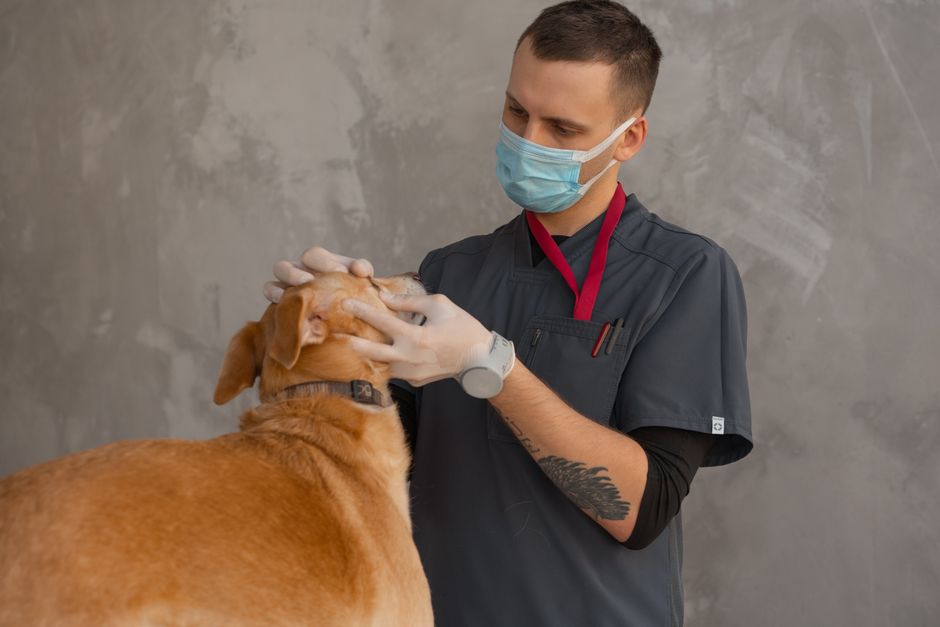
If you suspect your pet has a flea or tick problem, professional veterinary care offers both immediate relief and long-term protection. At Hamlin Animal Hospital, our veterinary team provides comprehensive examinations to assess your pet’s skin and coat, identify parasites, and check for any signs of associated illness. We may recommend diagnostic tests if your dog or cat is showing symptoms that suggest a tick-borne disease or a secondary infection. Treatment approaches involve safe, effective medications tailored to your pet’s size, species, and lifestyle. This may include fast-acting oral or topical products that kill adult fleas and ticks, as well as longer-term preventives to break the parasite life cycle. In cases of severe skin irritation or allergic reactions, additional therapies such as medicated shampoos or anti-itch medications can provide comfort while your pet recovers. We also offer dermatology services for pets with ongoing skin problems or persistent itching. For pets suffering from allergies, our team can perform allergy testing to identify triggers and design a customized management plan. Every treatment plan is designed with your pet’s safety and comfort in mind, and our veterinarians are always available to answer your questions throughout the process.
Steps You Can Take at Home to Prevent Fleas and Ticks
Prevention is the most effective strategy against fleas and ticks, especially during Florida’s high-risk months. Consistent use of veterinarian-recommended preventive products is the cornerstone of protection. These may include monthly oral tablets, topical treatments, or collars designed to repel or kill parasites before they can bite. It is important to use products that are specifically labeled for your pet’s species and weight, as some medications for dogs can be toxic to cats. Keeping your home and yard clean can greatly reduce the risk of infestation. Vacuum carpets, rugs, and upholstery frequently, and wash your pet’s bedding in hot water at least once a week. Outdoor maintenance, such as mowing the lawn regularly and removing leaf litter or brush, helps eliminate tick habitats. Inspect your pet after outdoor activities, paying special attention to the ears, neck, and between the toes, where ticks often hide. Bathing your pet with a gentle, veterinarian-approved shampoo can also help remove parasites before they become established, but should not replace prescription preventives. For pets with a history of sensitive skin or allergies, consult with our team before choosing over-the-counter products, as some ingredients can worsen irritation. If your pet continues to itch or develops skin problems despite your efforts, consider speaking with us about allergy testing or a dermatology evaluation.
When to Schedule a Veterinary Appointment
While mild itching can sometimes be managed at home, certain situations require prompt veterinary attention. If you find live fleas or ticks on your pet, notice persistent scratching, hair loss, or open sores, it is best to schedule an appointment so we can provide targeted treatment and prevent complications. Other warning signs that warrant a visit include sudden lethargy, loss of appetite, pale gums, or unexplained fever, as these can be symptoms of a more serious underlying illness transmitted by parasites. Pets with a history of allergic reactions, chronic skin conditions, or existing medical problems are especially vulnerable and should not wait for care. Year-round prevention is always recommended in Florida, so even if your pet seems healthy, a wellness examination is a great opportunity to discuss the best products and strategies for your lifestyle. Our team is here to answer your questions and provide support for any concerns you have about your pet’s skin, coat, or comfort. For more in-depth information, you can also explore our pet safety articles.
Supporting Your Pet’s Comfort and Health Year-Round
Fleas and ticks do not take a break in Florida, especially during the warm, rainy months of September. Protecting your dog or cat from these parasites is an important part of responsible pet ownership and contributes to a happier, healthier life for your companion. At Hamlin Animal Hospital, we are proud to serve Winter Garden and surrounding communities with comprehensive care, practical prevention advice, and compassionate support. If you are searching for a "vet near me" that understands the unique challenges of Florida pet care, our veterinary team is here to help. Schedule an appointment by calling (407) 872-7772 or visiting us at 14410 Shoreside Way, Suite 130, Winter Garden, FL 34787. Let us help you beat fleas and ticks this September and keep your pet protected all year long.
This article is for informational purposes only and is not a substitute for professional veterinary care. If your pet is experiencing severe symptoms or you have concerns about their health, please contact our veterinary team for personalized guidance.