How to Soothe Your Pet’s Skin Allergies in Florida

How to Soothe Your Pet’s Skin Allergies in Florida
Is your dog or cat scratching more than usual as the Florida weather shifts? Skin allergies are a common concern for pet owners in Winter Garden and the surrounding communities, especially during the changing seasons. At Hamlin Animal Hospital, we understand how distressing it can be to see your pet uncomfortable, and we are dedicated to providing solutions that help your furry family members feel their best. In this blog, we will explore the most common triggers for pet skin allergies in Florida, how to recognize early warning signs, and what you can do to help your pet find relief. You will also learn about the range of professional dermatology and allergy testing services available at our Winter Garden clinic, helping you keep your pet’s skin healthy year-round.
Recognizing the Signs: How to Tell If Your Pet Has Skin Allergies
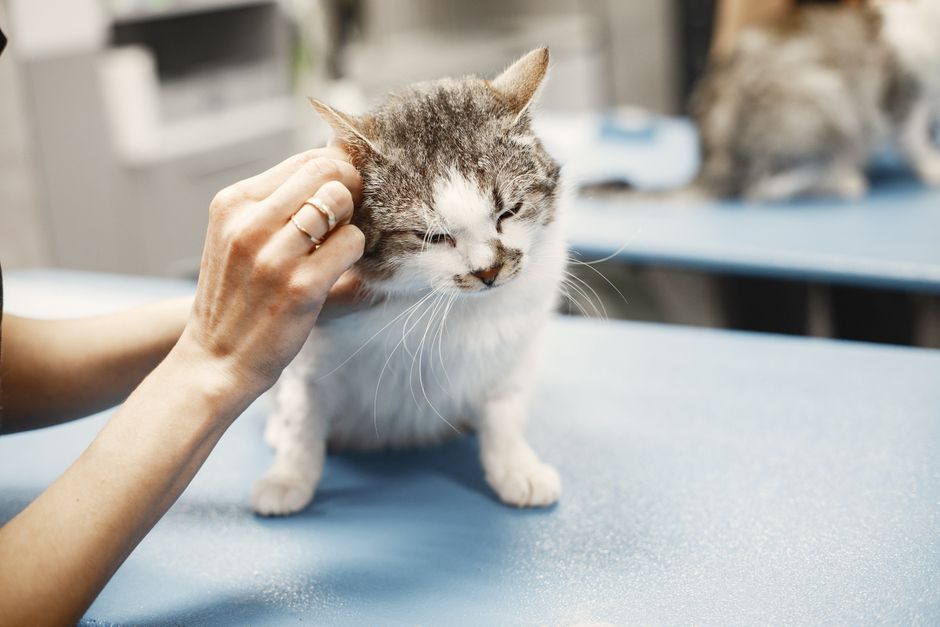
Skin allergies can appear suddenly or develop gradually in pets, sometimes making it hard to pinpoint the cause right away. Itching and scratching are the most obvious clues, but the symptoms can be more subtle or widespread. Key signs include persistent licking or chewing at paws, red or inflamed skin, frequent ear infections, and hair loss in certain areas. You might also notice small bumps, scabs, or even a musty odor coming from your pet’s skin. These symptoms often worsen during certain times of year in Florida, particularly as humidity rises or when pollen counts are high. If your dog or cat seems restless at night, is constantly rubbing against furniture, or you see raw patches on their skin, it is time to take a closer look. By catching these signs early, you can help prevent secondary infections and more severe discomfort.
Why Are Skin Allergies So Common for Pets in Florida?
Florida’s warm, humid climate creates ideal conditions for many common pet allergens. Pollen from grasses, weeds, and trees is present for much of the year, and mold thrives in damp environments. Dust mites, another frequent culprit, can be found indoors even with regular cleaning. Many dogs and cats also develop allergies to flea bites, with just a single bite sometimes triggering a full-body reaction. Food sensitivities are another factor, with proteins like chicken, beef, or certain grains causing chronic irritation in some pets. Environmental irritants, such as cleaning products, lawn chemicals, or even certain fabrics, can also aggravate sensitive skin. Pets living in Winter Garden and throughout Central Florida are exposed to these triggers all year long, making vigilance and prevention especially important.
Professional Solutions: How Hamlin Animal Hospital Can Help
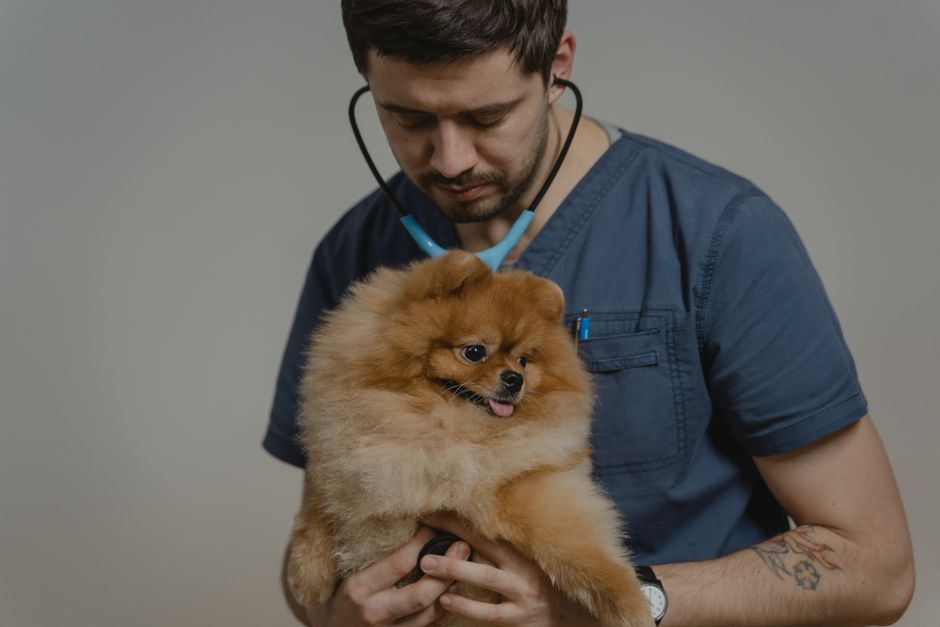
When your pet is suffering from skin allergies, professional veterinary care is crucial for both relief and long-term management. At Hamlin Animal Hospital, our team of veterinarians begins with a thorough dermatological exam to assess your pet’s skin, coat, and overall health. Diagnostic steps often include skin scrapings, cytology, or fungal cultures to rule out infections or parasites. In many cases, our veterinarians recommend allergy testing services to identify the specific triggers affecting your dog or cat. This testing can reveal sensitivities to pollen, dust, mold, certain foods, and even contact allergens from the environment.
Once we have identified the root cause, treatment may involve prescription medications to control itching and inflammation, medicated baths or topical therapies, and targeted parasite prevention. Our veterinary dermatology services are designed to address even the most persistent skin issues, from chronic ear infections to complicated allergic dermatitis. In some cases, dietary modifications or hypoallergenic diets are recommended, especially if food allergies are suspected. Our team works closely with you to develop a customized treatment plan that fits your pet’s unique needs and your family’s lifestyle.
Home Care and Prevention: Steps You Can Take
Managing your pet’s skin health at home plays a key role in minimizing allergy flare-ups. Regular bathing with veterinarian-recommended shampoos can help remove allergens from your pet’s coat and soothe inflamed skin. Brushing your pet frequently reduces shedding and helps spot early signs of irritation. Keeping your home as allergen-free as possible is important; this includes vacuuming regularly, washing bedding in hot water, and using air purifiers if needed.
Flea prevention is particularly critical in Florida, as flea allergies are a leading cause of skin problems year-round. Ask our veterinary team about the most effective flea control products for your pet and household. If your veterinarian suspects a food allergy, a strict elimination diet may be suggested to narrow down the culprit ingredient. During high-pollen seasons, try to limit your pet’s outdoor exposure during peak times, and wipe their paws and belly after walks to remove pollen and debris.
While these home care steps can make a significant difference, they work best when combined with professional guidance from your veterinarian. Our team is always available to answer your questions about skin care routines, environmental modifications, and safe products for your dog or cat.
When Should You Schedule a Veterinary Visit for Skin Allergies?
Knowing when to call your veterinarian is essential for preventing skin allergies from escalating into more serious problems. If your pet’s itching is constant, if you see open sores, bleeding, or signs of infection such as pus or a foul odor, immediate attention is needed. Recurrent ear infections, sudden hair loss, or changes in behavior like irritability or lethargy are also reasons to seek veterinary care promptly. Chronic skin problems rarely resolve on their own and can lead to secondary bacterial or yeast infections if left untreated.
It is important to remember that some over-the-counter treatments may not be safe or effective for your pet and can even make things worse. Our veterinary professionals at Hamlin Animal Hospital are equipped with the right knowledge and tools to diagnose and treat skin allergies safely. We encourage you to schedule an appointment if you notice any of the warning signs discussed, or if you are concerned about your pet’s comfort and well-being.
Supporting Your Pet’s Comfort: The Importance of Year-Round Skin Health
Skin allergies are a lifelong challenge for many pets in Florida, but with the right approach, your dog or cat can live comfortably and happily. Our veterinary team emphasizes the importance of routine check-ups and ongoing communication to adjust treatment plans as needed. By working together, we can monitor your pet’s progress and make timely adjustments, whether that involves changing medications, updating flea prevention strategies, or exploring new treatment options.
Your pet’s comfort and health are our top priorities at Hamlin Animal Hospital. We believe that educating pet owners is just as important as providing medical care, and we are always here to support you through every step of your pet’s skin health journey.
Take the Next Step for Your Pet’s Skin Health
If your dog or cat is struggling with itchy skin, don’t wait for symptoms to worsen. Our experienced veterinarians at Hamlin Animal Hospital in Winter Garden are here to help with compassionate, individualized care for all types of pet skin allergies. Schedule an appointment to discuss allergy testing services or to learn more about our veterinary dermatology services and how our team can help your pet find relief. When you are searching for a veterinarian near me that truly understands the unique needs of Florida pets, look to Hamlin Animal Hospital for trusted expertise and a welcoming environment.
To book your visit or speak with our veterinary professionals, call (407) 872-7772 or stop by our convenient location at 14410 Shoreside Way, Suite 130, Winter Garden, FL 34787. We are dedicated to helping your pet enjoy a comfortable, happy life in every season. If you have any questions or concerns about your pet’s skin, reach out today to partner with a caring, local team that puts your pet’s wellbeing first.
This blog is for informational purposes only and should not replace professional veterinary advice. If your pet is experiencing severe symptoms or you have concerns about their health, please contact your veterinarian for personalized guidance.