Spring Allergies in Pets: Signs, Relief, and Prevention Tips


Spring Allergies in Pets: Signs, Relief, and Prevention Tips
As the beautiful spring season arrives in Winter Garden, many pet owners notice their dogs or cats scratching more, sneezing, or showing signs of discomfort. While springtime brings warmth and blooming flowers to our community, it can also trigger allergies in our furry companions. At Hamlin Animal Hospital, located at 14410 Shoreside Way, Suite 130, Winter Garden, FL 34787, our veterinary team often sees an increase in pets experiencing seasonal allergies this time of year. Understanding the signs, causes, and ways to provide relief can help you keep your pet comfortable and healthy as the seasons change. In this guide, we will explain how to recognize spring allergies in pets, discuss common triggers, offer safe strategies for relief, and share tips for prevention. You will also learn how our team can support you and your pet through allergy season with compassionate, comprehensive care. If you are concerned about your pet’s symptoms, our veterinarians are here to help you schedule an appointment and find the best solution for your pet’s needs.
Recognizing Spring Allergy Symptoms in Pets
It can be distressing to see your pet constantly scratching, licking, or sneezing as spring settles in. Allergies in pets may look different than they do in people, so recognizing the signs early is essential for timely care. Common symptoms of spring allergies in dogs and cats include frequent scratching, licking or chewing at the paws, red or inflamed skin, watery eyes, sneezing, and recurring ear infections. Additionally, you might notice your pet developing hot spots, bald patches, or scabs from persistent irritation. Some pets may also show signs of respiratory discomfort, such as coughing or wheezing, particularly if pollen levels are high. If your pet is shaking their head more than usual, has a noticeable odor from their ears, or you see discharge, these may also be allergy-related issues. Sometimes, gastrointestinal signs such as vomiting or diarrhea can occur if your pet is allergic to something they have ingested, but environmental allergies most commonly affect the skin and ears. It is important to remember that these symptoms can also be caused by other conditions, so a thorough evaluation by your veterinarian is always recommended.
What Causes Spring Allergies in Dogs and Cats?
Spring allergies in pets are primarily driven by environmental factors that emerge or intensify as temperatures rise and plants begin to bloom. The most common triggers are airborne allergens such as pollen from trees, grasses, and weeds, which are abundant in Winter Garden and the surrounding communities during the spring months. These tiny particles can cling to your pet’s fur and skin, causing an immune reaction that leads to itching and inflammation. Mold spores, which thrive in damp spring conditions, and dust mites, which become more active in warmer weather, are also frequent culprits. In some cases, pets may develop allergies to substances inside the home, such as cleaning products or fabrics, but outdoor allergens are most likely to cause seasonal flare-ups. Genetics play a role as well; some breeds are more prone to allergies than others, but any dog or cat can be affected. Exposure to allergens over time can cause your pet’s immune system to become sensitized, so even pets that have never had allergies before may develop symptoms as they age. It is also common for pets with food allergies to have increased sensitivity to environmental triggers, making spring especially challenging for these individuals.
How Hamlin Animal Hospital Diagnoses and Treats Pet Allergies
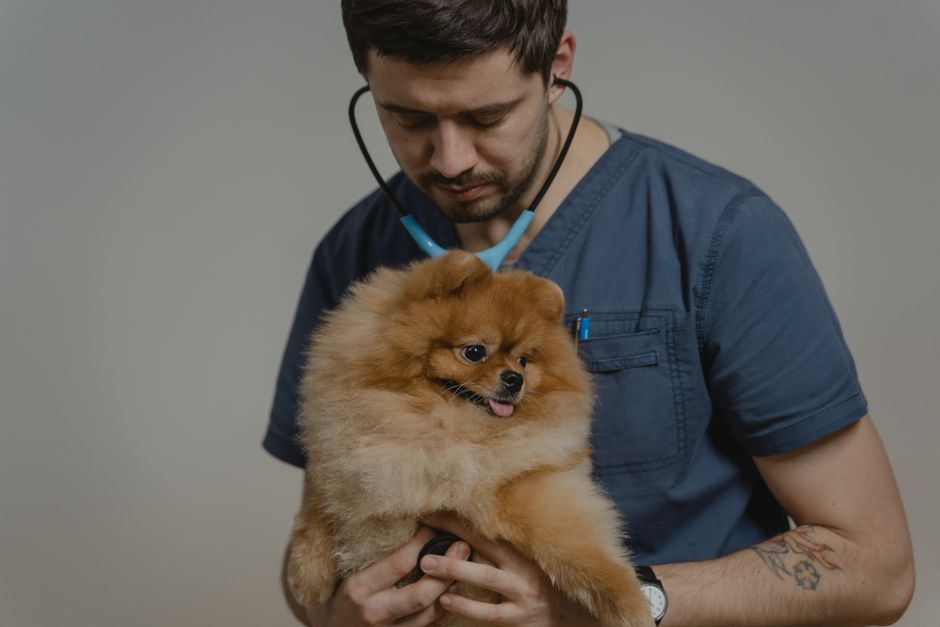
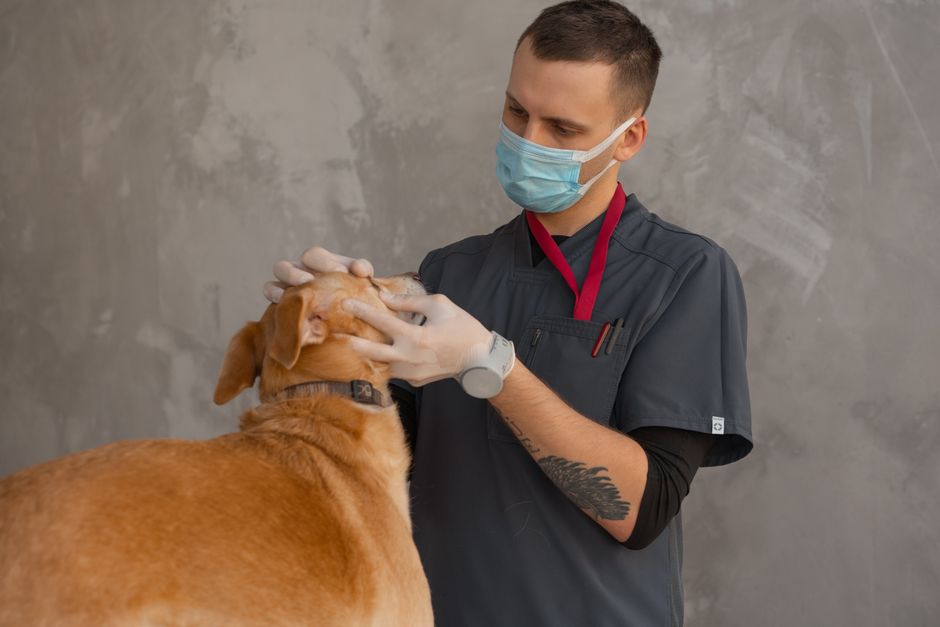
If your pet is struggling with itching, skin irritation, or other signs of allergies, our team at Hamlin Animal Hospital is here to help. During your visit, we start by gathering a complete history of your pet’s symptoms and performing a thorough physical examination. Our veterinarians focus on identifying patterns, such as whether symptoms worsen after time outdoors or during specific weather conditions. To pinpoint the exact cause, we may recommend further diagnostics, including allergy testing, which can help determine your pet’s specific sensitivities and guide targeted treatment.
Treatment approaches for spring allergies depend on the severity of your pet’s symptoms and their individual health needs. Common options involve medicated shampoos to soothe itchy skin, antihistamines or other prescription medications to control inflammation, and topical treatments for affected areas. For pets with more persistent or severe allergies, immunotherapy or allergy shots may be considered to help desensitize your pet to specific allergens over time. Managing secondary infections is also crucial; if your pet’s skin or ears become infected due to excessive scratching, our veterinary professionals may prescribe antibiotics or antifungal medications as needed.
For ongoing or complex skin issues, our dermatology services are available to provide advanced care and long-term management solutions. If your pet’s symptoms ever seem sudden or severe, such as rapid swelling or difficulty breathing, our urgent care services ensure you have access to immediate support when it matters most. We are committed to finding the most effective, compassionate treatment plan for your pet’s unique situation.
Home Care and Prevention Strategies for Spring Pet Allergies
While professional veterinary care is essential for diagnosing and treating allergies, there are several steps you can take at home to help minimize your pet’s exposure to spring allergens. Wiping your pet’s paws and coat with a damp cloth after outdoor walks helps remove pollen and prevents it from being tracked inside. Regular bathing with a gentle, pet-safe shampoo can further reduce allergens on the skin and provide relief from itching. Keeping windows closed on high pollen days and using air purifiers inside your home can help limit airborne allergens. Washing your pet’s bedding frequently and vacuuming carpets and upholstery will also reduce pollen and dust buildup in your living space.
For pets that enjoy spending time outdoors, try to schedule walks or playtime during early morning or late evening hours when pollen counts are typically lower. Maintaining a healthy diet and routine wellness examination schedule with your veterinarian supports your pet’s immune system and helps catch any emerging health issues early. If your pet is already taking allergy medications or treatments, be sure to administer them exactly as prescribed and communicate any changes in your pet’s condition to your veterinary team promptly.
If you have questions about safe allergy relief products, our online pharmacy offers convenient access to prescription medications and supplements, with delivery right to your door. Always check with your veterinarian before starting any new treatments or over-the-counter remedies, as not all products are safe or effective for every pet.
When to Seek Veterinary Care for Spring Allergies
Although mild allergy symptoms can often be managed at home, there are times when professional veterinary care is crucial. If your pet’s itching becomes intense, leads to broken skin, or is accompanied by hair loss, redness, or discharge, it is important to schedule an appointment for a comprehensive evaluation. Persistent ear infections, recurring hot spots, and changes in your pet’s energy level or appetite are also signs that your pet may need additional support.
In rare cases, allergies can cause more severe reactions, such as facial swelling, hives, vomiting, diarrhea, or difficulty breathing. These are medical emergencies that require prompt veterinary attention. If you notice any of these warning signs, contact our veterinary team immediately or visit an emergency facility for care.
For pet owners searching for a veterinarian near me, it is essential to choose a trusted local clinic with experience in diagnosing and managing seasonal allergies. Our team at Hamlin Animal Hospital is dedicated to helping pets in Winter Garden and surrounding communities stay healthy and comfortable all year long.
Supporting Your Pet Through Spring Allergy Season
Spring allergies can be challenging for both pets and their families, but with the right knowledge and support, you can help your furry companion enjoy the season with less discomfort. Recognizing early signs, reducing exposure to allergens, and seeking timely veterinary care are key steps in managing allergy symptoms. At Hamlin Animal Hospital, our compassionate veterinary team is ready to work with you to develop a personalized care plan, from diagnosis and treatment to ongoing prevention.
If you are concerned about your pet’s allergy symptoms or would like to schedule a wellness examination, please call us at (407) 872-7772 or visit our Winter Garden location. For more information on pet allergies and other health topics, explore our Learning Center or ask our veterinarians about available allergy testing and dermatology services. Together, we will help your pet thrive this spring and beyond.