Fall Hazards for Pets: October Safety Guide for Winter Garden

Fall Hazards for Pets: October Safety Guide for Winter Garden
As October arrives in Winter Garden, Florida, the season brings more than just cooler breezes and festive decorations. For local pet owners, autumn also ushers in unique safety concerns that can affect both dogs and cats. From the sudden appearance of mysterious mushrooms after rain to tempting but toxic holiday treats, Fall in Central Florida presents a variety of hazards that can put your pet’s health at risk. At Hamlin Animal Hospital, our team of veterinarians is committed to helping you recognize these seasonal dangers and keep your furry companions safe and healthy. In this October safety guide, we will cover the most common fall hazards for pets, how to spot the warning signs, and what steps you can take at home to protect your dog or cat. We will also explain when it is time to schedule an appointment at our Winter Garden location, and how our veterinary professionals can help if your pet encounters a fall emergency. For additional pet safety tips, be sure to check out our pet safety articles and educational resources online.
Recognizing Fall Hazards: Signs Your Pet May Be at Risk
As the leaves begin to change, new risks emerge in your backyard, local parks, and even your own kitchen. Recognizing these hazards early can make all the difference for your pet’s wellbeing. One of the most common autumn issues in Winter Garden is the growth of wild mushrooms. After a rainy spell, you may notice clusters of mushrooms sprouting in shady areas. While some are harmless, many varieties can be extremely toxic to pets if ingested. Symptoms of mushroom poisoning in dogs and cats include sudden vomiting, diarrhea, drooling, staggering, or even seizures in severe cases.
Fall is also a popular time for planting seasonal flowers and shrubs. Be aware that certain plants commonly used for autumn landscaping, such as autumn crocus, chrysanthemums, and some decorative gourds, can cause gastrointestinal upset or more serious effects if your pet decides to chew on them. Signs of plant toxicity in pets typically involve oral irritation, pawing at the mouth, vomiting, or lethargy.
Holiday foods and treats present another seasonal challenge. During Halloween and the early holiday season, chocolate, raisins, xylitol-sweetened candies, and fatty table scraps are more prevalent in homes. Ingestion of these items can lead to symptoms including restlessness, rapid breathing, tremors, vomiting, or even life-threatening complications like pancreatitis or kidney failure. Keep a watchful eye on your pets around gatherings, as even small amounts of these foods can be dangerous.
Finally, be mindful of seasonal decorations such as candles, potpourri, and electrical cords for lights. Curious pets may chew on cords or knock over candles, resulting in burns, electrical shock, or fires. Signs your pet may have encountered these hazards include burns around the mouth, singed fur, or sudden withdrawal and hiding.
Why Are Fall Hazards a Concern for Florida Pets?
Florida’s warm and humid climate, especially in October, creates ideal conditions for certain hazards to thrive. Mushrooms proliferate in moist environments, so the combination of autumn rains and shaded lawns in Winter Garden often leads to a spike in mushroom growth. Curious dogs, especially puppies, are notorious for exploring their environment with their mouths and may eat mushrooms before you even notice them.
Pet owners in our area also enjoy outdoor activities during the cooler months, which increases the chances of pets encountering unfamiliar plants or wildlife. Additionally, Halloween brings a flurry of activity — from trick-or-treaters at the door to decorative items scattered about the house. This can be overstimulating for many pets, raising their anxiety and making accidents more likely.
Holiday foods are another ongoing risk. Chocolate toxicity is a year-round concern, but the volume of candies and baked goods in October and November means that accidental ingestion is more common. Many pet owners are unaware that even a small piece of sugar-free gum or a handful of raisins can be highly toxic for dogs and cats.
Decorative items, such as essential oil diffusers and scented potpourri, are more frequently used indoors during the fall. Certain essential oils, including tea tree and eucalyptus, can be toxic if your pet ingests or even inhales concentrated vapors. The increased use of candles and string lights also poses risks for burns and electrical injuries if pets are left unsupervised.
Treatment and What to Expect at the Veterinary Clinic
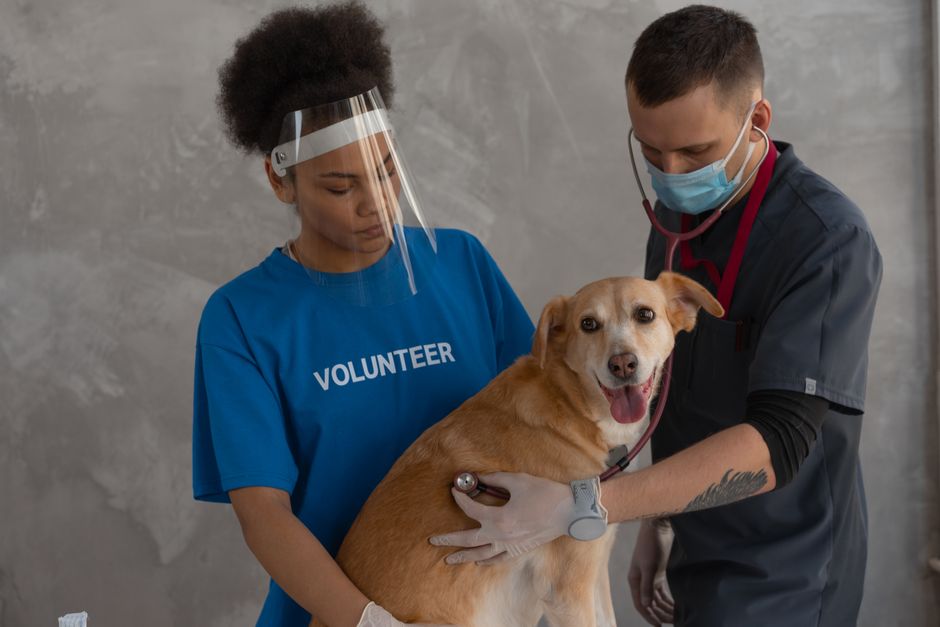
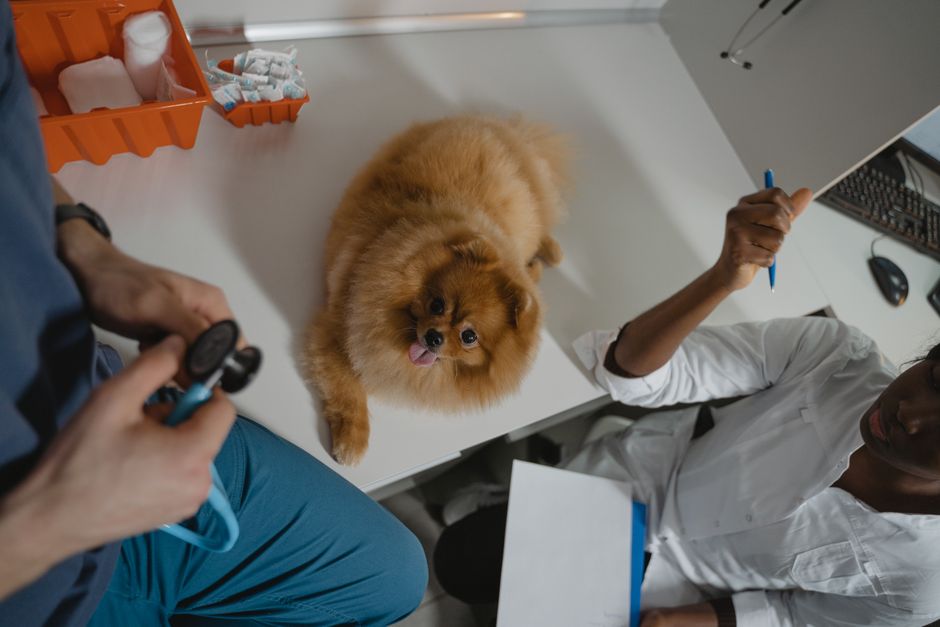
If you suspect your pet has ingested a mushroom, toxic plant, or harmful food, prompt action is critical. Do not attempt home remedies, as some treatments can worsen the situation. At Hamlin Animal Hospital, our veterinary team will first gather detailed information about what your pet may have eaten and when. Diagnostic approaches may include bloodwork, urinalysis, and sometimes imaging, depending on your pet’s symptoms and the suspected toxin. Our diagnostic laboratory services are available to help quickly evaluate illness or possible poisoning.
Treatment may involve inducing vomiting if the ingestion was recent and the substance is known to be safely removed this way. In some cases, activated charcoal is administered to help absorb toxins in the digestive tract. Supportive care, such as intravenous fluids, anti-nausea medications, or medications to protect the liver and kidneys, may be required depending on the type and amount of toxin involved. For mushroom or severe chocolate toxicity, pets may need to remain hospitalized for intensive monitoring and supportive therapy.
If your pet suffers burns from candles or electrical cords, our veterinarians will assess the extent of the injury, clean wounds, and provide pain management. For electrical injuries, additional monitoring may be needed to check for heart or lung complications.
Every treatment plan is tailored to the individual needs of your pet, and our veterinary professionals will keep you informed at every step. If you are worried about any sudden changes in your pet’s behavior or health, our team is ready to help you schedule an appointment and guide you through the next steps.
Preventing Fall Hazards: Keeping Your Pet Safe at Home
Prevention is always better than cure, and there are several proactive steps you can take to safeguard your dog or cat this fall. Start by conducting a walk-through of your yard and removing any mushrooms as soon as you see them. Use gloves and dispose of them in a sealed bag to ensure your pet cannot access them. For gardens and landscaping, research the plants you use and avoid species known to be toxic to pets. If you are unsure about a particular plant, consult resources such as the ASPCA’s toxic and non-toxic plant database or ask our veterinary team for guidance.
Indoors, keep Halloween candy, baked goods, and any foods containing chocolate, raisins, grapes, or xylitol well out of reach. Store these items in high cabinets or secure containers. Remind family members and visitors not to share table scraps with your pets, and supervise children who may accidentally drop treats on the floor.
When decorating, place candles and potpourri in locations your pet cannot access, and use flameless candles where possible. Secure electrical cords using cord protectors or tape them out of reach to minimize chewing risks. If you use essential oils or diffusers, make sure they are pet-safe and use them in well-ventilated areas where your pet cannot come in direct contact with them.
During Halloween festivities, keep your dog or cat in a quiet, secure room away from the front door to prevent accidental escapes or anxiety from frequent visitors. For pets that are especially anxious, speak with our veterinarians about strategies to keep them calm and comfortable during the busy fall season.
When to Seek Veterinary Care for Fall Hazards
It can be difficult to know when a situation requires immediate veterinary attention. As a general rule, any time your pet ingests a mushroom, unknown plant, chocolate, xylitol, grapes, raisins, or appears to have burns or electrical injuries, you should contact your veterinarian without delay. Early intervention dramatically improves the chances of a positive outcome.
Warning signs that should prompt an urgent call to your veterinary clinic include sudden vomiting or diarrhea, drooling, tremors, seizures, difficulty breathing, burns, or collapse. Even if your pet seems fine after an exposure, some toxins have delayed effects, so a prompt evaluation is always recommended. Our urgent veterinary care services are available to help pets in Winter Garden and surrounding communities if you are facing a sudden illness, injury, or possible poisoning.
If you are unsure whether a situation is an emergency, it is always safest to call our team for advice. We can help you assess the risk and determine whether your pet needs to be seen right away or if you can monitor them at home.
Your Local Partner in Pet Safety This Fall
Autumn in Winter Garden brings plenty of opportunities for pets and owners to enjoy the outdoors, but it also requires extra vigilance when it comes to safety. By being aware of the unique hazards that October presents, you can take practical steps to prevent accidental poisonings, injuries, and stress for your dog or cat. If your pet encounters a possible fall hazard, or if you have questions about seasonal risks, our veterinarians at Hamlin Animal Hospital are here to help. Schedule an appointment with our caring team at 14410 Shoreside Way, Suite 130, Winter Garden, FL 34787 or call (407) 872-7772 for guidance. For those searching for a "vet near me" who understands the unique needs of pets in our community, Hamlin Animal Hospital is your trusted resource for comprehensive care and expert advice. For more information about keeping your pets safe, visit our pet safety articles and educational resources. Your pet’s health and happiness is our top priority—let’s work together to ensure a safe and joyful autumn for every member of your family.
This article is intended for informational purposes only and should not be considered a substitute for professional veterinary advice. Always consult your veterinarian if you have concerns about your pet’s health or if you suspect they have been exposed to a hazard.