Keeping Senior Pets Healthy: Fall Wellness Checklist

Keeping Senior Pets Healthy: Fall Wellness Checklist
As autumn arrives in Winter Garden, many pet owners notice subtle changes in their senior dogs and cats. The warm Florida fall brings unique challenges and opportunities for pets in their golden years, making this the perfect time to focus on their ongoing health and comfort. At Hamlin Animal Hospital, located at 14410 Shoreside Way, Suite 130, Winter Garden, FL 34787, our team of veterinarians is dedicated to supporting your aging companion’s wellbeing through every season. This fall wellness guide highlights the key steps to keep your senior dog or cat happy, healthy, and thriving as the weather cools down.
In this blog, you’ll discover how to recognize signs of aging in pets, understand what makes fall important for senior pet care, and learn about essential health screenings, joint support, and lifestyle adjustments. We’ll also share practical advice for caring for older pets at home and explain when it’s time to schedule a visit with our veterinary team. Whether your senior pet is still full of energy or slowing down a bit, Hamlin Animal Hospital is here to help you navigate the golden years with confidence and compassion.
Recognizing Signs of Aging in Senior Pets
Many pet owners are surprised by how quickly dogs and cats can transition into their senior years. While each pet ages differently, most dogs are considered seniors around age seven, and many cats by age ten. Recognizing the signs that your companion is entering their senior stage is the first step toward proactive care.
Key changes to watch for include increased sleeping, reluctance to jump or climb stairs, and noticeable stiffness when getting up. You may also notice cloudy eyes, changes in appetite, more frequent accidents in the house, or a duller, thinner coat. Other signs that your pet may be experiencing age-related issues include bad breath, difficulty chewing, or sudden weight gain or loss. Behavioral changes such as confusion, anxiety, or less enthusiasm for play can also indicate underlying health concerns common in senior pets.
If you observe any of these changes, it’s important to remember that they are not just “normal aging.” Many of these symptoms can be signs of manageable medical conditions that, when addressed early, can greatly improve your pet’s quality of life.
Why Fall Is a Critical Time for Senior Pet Wellness
Florida’s fall may not bring the dramatic temperature drops seen elsewhere, but the shift in daylight and weather patterns can still impact older pets. Cooler evenings often mean more time outdoors, which can benefit dogs and cats who enjoy walks or supervised patio time. However, fall also brings an increase in allergens, potential for joint stiffness, and changes in household routines as the holiday season approaches.
For senior pets, these environmental changes can lead to increased joint discomfort, flare-ups of chronic conditions such as arthritis, and a higher risk of skin and respiratory issues. Shorter days can also disrupt sleep and feeding schedules, especially for pets sensitive to changes in routine. Additionally, the fall season is an ideal time to reassess your pet’s preventive care plan, ensuring all vaccinations and parasite protections are up to date before winter arrives.
Scheduling a wellness examination this season helps our veterinary team identify early signs of disease, review your pet’s current medications, and discuss any new concerns you may have noticed at home. Early intervention is key to keeping senior pets comfortable and active year-round.
Essential Health Screenings for Senior Dogs and Cats
Routine health screenings become even more important as pets age. Senior dogs and cats are more susceptible to conditions such as kidney disease, diabetes, heart disease, thyroid imbalances, and certain types of cancer. Many of these illnesses develop gradually and may not show obvious symptoms until they are more advanced.
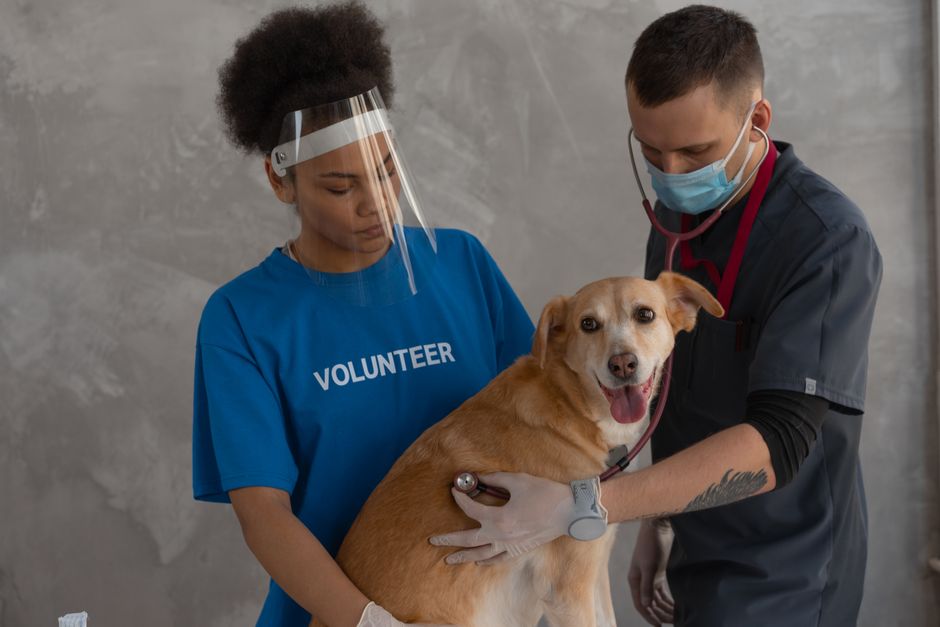
During your pet’s fall wellness visit, our veterinarians will perform a comprehensive physical exam, assessing everything from your pet’s weight and mobility to their heart and lung sounds. We often recommend diagnostic laboratory testing for seniors, including bloodwork and urinalysis, to screen for underlying health issues that may not be visible on the outside. These tests help us catch early changes in organ function, monitor for signs of anemia or infection, and check for metabolic disorders that are more common in older pets.
Depending on your pet’s history and symptoms, additional diagnostics such as digital radiology or advanced imaging may be recommended to evaluate heart health, detect early arthritis, or investigate unexplained weight changes. For pets with a history of dental disease, a thorough oral exam and possible dental cleaning may also be advised, as dental health is closely tied to overall wellbeing in senior animals.
Supporting Joint Health and Mobility in Senior Pets
One of the most common challenges for aging dogs and cats is decreased mobility due to joint pain, stiffness, or arthritis. Florida’s humidity and temperature fluctuations in the fall can sometimes exacerbate these symptoms, making it especially important to focus on joint care at this time of year.
Warning signs of joint discomfort include difficulty rising, limping, hesitancy to climb stairs or jump onto furniture, and less interest in walks or play. Some pets may also become irritable or withdrawn when touched in sensitive areas. Our veterinary team can assess your pet’s joint health during their exam and recommend a tailored management plan.
Treatment approaches for joint issues in senior pets involve a combination of lifestyle changes, weight control, physical therapy, and, when appropriate, medications or supplements. Maintaining a healthy weight is one of the most effective ways to reduce pressure on aging joints. Controlled exercise, such as gentle walks for dogs or interactive play for cats, helps keep muscles strong without overexertion. For pets with advanced arthritis or mobility challenges, our orthopedic care services provide advanced options, including pain management protocols and, in some cases, surgical solutions.
It’s also helpful to make small adjustments at home, such as providing soft bedding, ramps for easier access to favorite spots, and non-slip rugs to prevent falls. If you notice your pet struggling with mobility, reach out to our team for guidance and support.
Dental Care: An Overlooked Priority for Senior Pets
Dental health is an often-overlooked aspect of senior pet care, yet it plays a significant role in overall wellness. Periodontal disease is extremely common in older dogs and cats and can contribute to pain, difficulty eating, bad breath, and even systemic illness affecting the heart, liver, or kidneys.
Signs of dental disease include persistent bad breath, drooling, pawing at the mouth, reluctance to eat hard food, or visible tartar and redness along the gumline. Regular dental evaluations are essential for catching problems early. If dental disease is present, a professional dental cleaning may be recommended, allowing our veterinarians to remove plaque, address oral pain, and prevent further complications.
In addition to professional cleanings, our team can advise you on home dental care strategies, such as tooth brushing, dental diets, and safe chew toys to help maintain oral health between visits.
Preventive Care: Vaccinations, Parasite Control, and Heart Health
Preventive care remains vital for senior pets, even if they spend most of their time indoors. Aging immune systems are less robust, making dogs and cats more susceptible to illnesses that can be prevented with timely vaccinations. During your pet’s fall checkup, our veterinarians will review their vaccination schedule and ensure they are protected against core diseases.
Additionally, parasite prevention is important year-round in Florida’s warm climate. Fleas, ticks, and mosquitoes can transmit serious illnesses to senior pets, including heartworm disease. Regular heartworm testing and consistent use of preventive medications protect your aging companion from these threats. Our team will tailor your pet’s prevention plan based on their lifestyle, health status, and any pre-existing conditions.
Nutrition and Lifestyle Adjustments for Aging Pets
As dogs and cats age, their nutritional needs often change. Senior pet diets are designed to support joint health, maintain healthy weight, and provide the right balance of nutrients for aging bodies. Feeding a high-quality, age-appropriate diet can help manage chronic conditions such as kidney disease or diabetes and support cognitive function.
Portion control becomes increasingly important, as many older pets are less active and prone to weight gain. Fresh water should always be available to support kidney health, especially for senior cats. Incorporating gentle exercise into your pet’s daily routine helps maintain muscle tone and mobility, while mental stimulation through toys, puzzles, or safe outdoor time can prevent cognitive decline.
At home, small changes can make a big difference. Consider elevating food and water bowls for pets with arthritis, providing easy access to litter boxes, and maintaining a predictable daily schedule to reduce anxiety. Our veterinary professionals are happy to discuss practical tips tailored to your pet’s specific needs during your next visit.
When to Seek Veterinary Care for Your Senior Pet
Sometimes, it can be difficult to determine when a change in your senior pet’s behavior signals a need for veterinary attention. Warning signs that warrant a prompt visit include sudden changes in appetite or water intake, unexplained weight loss or gain, vomiting or diarrhea lasting more than a day, coughing, breathing difficulties, persistent lameness, or new lumps and bumps. Disorientation, increased vocalization, or accidents in the house are also reasons to schedule an exam.
Never hesitate to contact us if you are concerned about your pet’s comfort or notice symptoms that seem out of the ordinary. Early intervention often leads to better outcomes and can provide much-needed peace of mind for you and your family.
Partnering With Your Veterinary Team for Ongoing Senior Pet Health
Keeping your senior dog or cat healthy through the fall and beyond is a team effort. Regular wellness visits, open communication with your veterinary team, and attentive care at home are the cornerstones of a happy, comfortable golden age for your pet. At Hamlin Animal Hospital, we are honored to partner with pet owners in Winter Garden and surrounding communities to provide comprehensive, compassionate care every step of the way.
If you are searching for a “vet near me” who understands the unique needs of senior pets, our experienced veterinarians are here to help. Schedule a fall wellness examination, dental cleaning, or mobility evaluation today by calling (407) 872-7772, or visit us at 14410 Shoreside Way, Suite 130, Winter Garden, FL 34787. You can also learn more about our pet examinations and other senior pet services on our website.
Together, we can help your beloved companion enjoy a vibrant, comfortable season—no matter their age. If you have questions about your senior pet’s health or want to set up a fall wellness visit, reach out to our team of veterinarians today. Your pet’s health and happiness are always our top priority.