Recognizing and Managing Skin Allergies in Florida Pets

Recognizing and Managing Skin Allergies in Florida Pets
If your dog or cat seems itchier than usual during Florida’s muggy summer months, you are certainly not alone. Many pet owners in Winter Garden and the surrounding communities notice their pets scratching, licking, or developing red patches on their skin, especially as the humidity and allergens rise. At Hamlin Animal Hospital, our team understands just how frustrating and uncomfortable skin allergies can be for both pets and their families. In this blog, we will guide you through the most common signs of skin allergies in dogs and cats, explain what causes them here in Central Florida, and offer practical advice on management and prevention. You will also learn when a visit to our Winter Garden clinic is the next best step for your pet’s comfort and health. Our veterinarians are here to help you keep your pet’s skin healthy all year long.
How to Recognize Skin Allergies in Your Pet
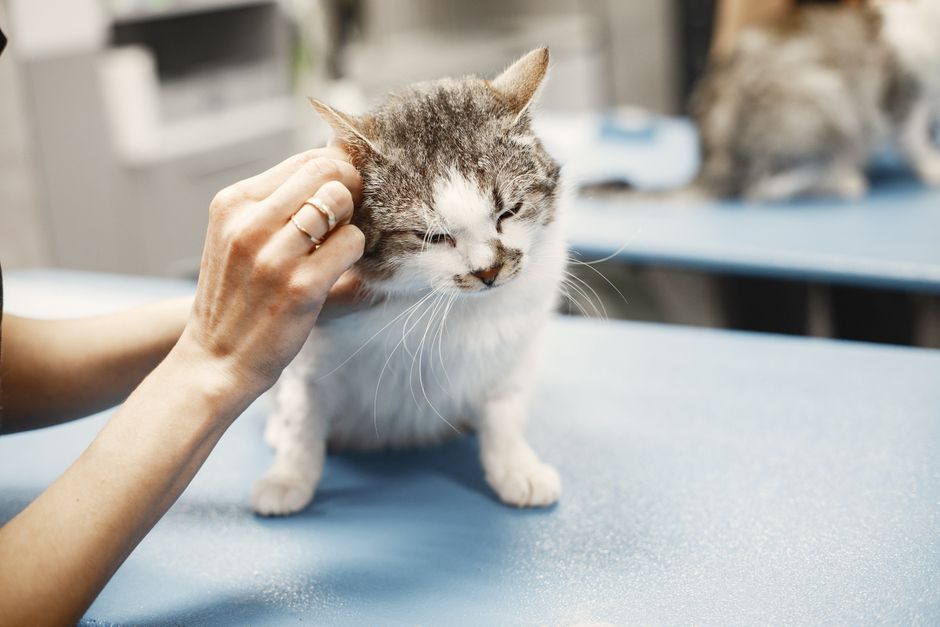
Identifying skin allergies in pets can be challenging, as the symptoms often resemble those of other common skin conditions. However, there are some typical warning signs that can alert you to a potential allergy issue in your dog or cat. Persistent scratching is often the first thing pet owners notice, especially around the ears, paws, belly, or base of the tail. Other common symptoms include licking or chewing at the skin, redness, swelling, hair loss, or the appearance of small bumps and scabs. In some cases, pets may develop secondary infections, leading to an unpleasant odor or areas of oozing skin.
Additionally, you might notice your pet rubbing against furniture or scooting on the carpet in an effort to relieve their itch. Cats may over-groom to the point of leaving bald patches, while dogs sometimes develop hot spots—moist, inflamed areas that can quickly worsen. If your pet’s symptoms persist for more than a few days or seem to be getting worse rather than better, it is a good idea to reach out to a veterinary professional for guidance.
Common Causes of Skin Allergies in Florida Pets
Florida’s climate presents several unique challenges for pets prone to skin allergies. The warm, humid air encourages the growth of environmental allergens such as mold spores and pollen, both of which can trigger allergic reactions in sensitive animals. Additionally, flea populations thrive in the local climate, and flea bites are a leading cause of allergic dermatitis in both dogs and cats. Even a single flea bite can lead to intense itching and skin irritation in pets with flea allergy dermatitis.
Food allergies are another possible culprit, often causing chronic skin issues as well as digestive upset. Some pets develop sensitivities to certain proteins or ingredients in their diet, resulting in long-term itching, redness, and ear infections. Finally, contact allergies—reactions to shampoos, cleaning products, or even certain grasses—can cause localized irritation wherever your pet’s skin comes into contact with the offending substance.
Pet owners in Winter Garden should also be aware that seasonal changes, such as the arrival of spring pollen or the heavy rains of hurricane season, can intensify allergic symptoms. Recognizing these patterns can help you and your veterinarian pinpoint the triggers affecting your pet.
Treatment and Management of Pet Skin Allergies
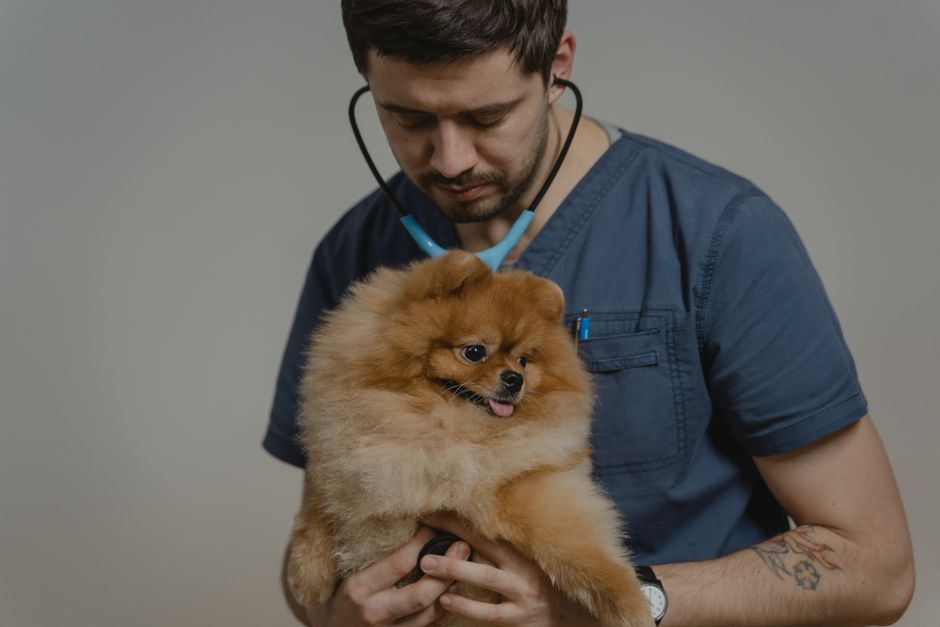
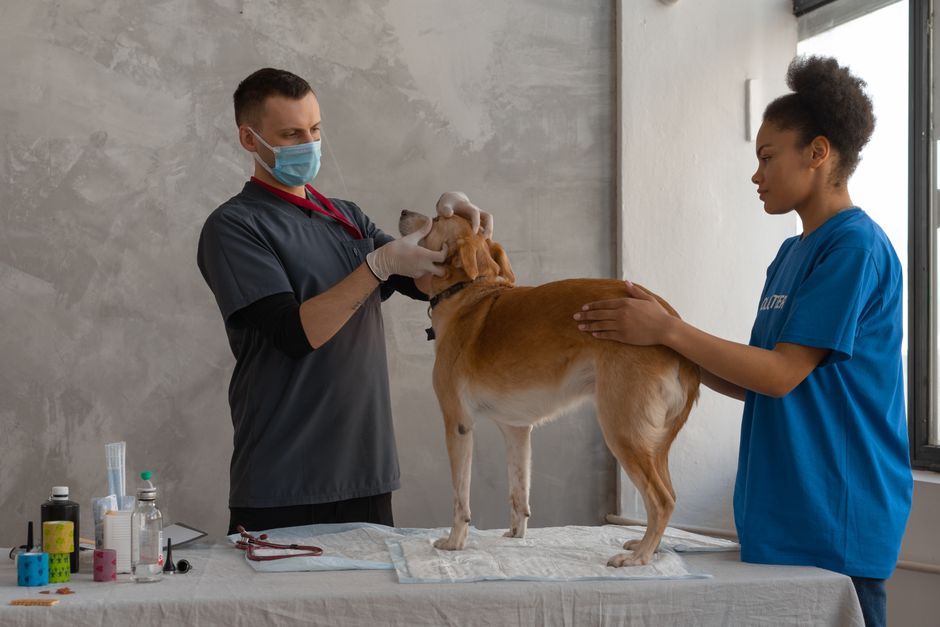
Professional treatment for skin allergies begins with a thorough examination and accurate diagnosis. At Hamlin Animal Hospital, our veterinarians may recommend diagnostic tests such as skin scrapings, cytology, or specialized allergy testing to identify the specific triggers behind your pet’s symptoms. Once the cause has been determined, we will work with you to develop a customized treatment plan tailored to your pet’s needs.
Treatment approaches for skin allergies typically involve a combination of strategies. Medications such as antihistamines, steroids, or newer immunotherapy drugs may be prescribed to reduce itching and inflammation. If a secondary infection is present—such as a bacterial or yeast infection—antibiotics or antifungal medications may be necessary. For pets with flea allergies, year-round flea prevention is essential to prevent recurring flare-ups. In cases of food allergies, a prescription elimination diet may help identify the problematic ingredient and relieve symptoms.
We also offer advanced dermatology services for pets with chronic or severe skin conditions. This may include medicated baths, topical therapies, or ongoing management plans designed to provide your pet with lasting relief. Our veterinary team will guide you every step of the way, from diagnosis to long-term care and follow-up.
Preventing Skin Allergies and Managing Symptoms at Home
While some pets are genetically predisposed to allergies, there are practical steps you can take at home to reduce your pet’s exposure to common triggers and make them more comfortable. Routine flea prevention is absolutely vital in Florida, so talk to your veterinarian about the safest and most effective products for your pet. Regular bathing with a gentle, hypoallergenic shampoo can help remove allergens from your pet’s coat and skin, but always consult your veterinarian before starting any new grooming routine.
Keeping your home environment clean can also make a big difference. Frequent vacuuming, washing your pet’s bedding in hot water, and using air purifiers may help minimize allergens indoors. Wiping your pet’s paws and belly after outdoor walks can reduce contact with pollens and grasses. For pets with food allergies, following your veterinarian’s dietary recommendations is key; avoid feeding table scraps or treats unless you are certain they are safe for your pet.
If your pet has already developed mild itching or irritation, you can provide some relief with cool compresses or by discouraging excessive licking and scratching. However, if symptoms persist or worsen, it is always best to consult your veterinarian for guidance.
When to Seek Veterinary Care for Your Pet’s Skin Allergies
It can be difficult to know when home care is enough and when it is time to seek professional help. If your dog or cat is scratching or licking so much that it affects their daily activities, develops areas of hair loss, redness, or open sores, or shows signs of pain or distress, prompt veterinary evaluation is necessary. Other warning signs that warrant an appointment include persistent ear infections, changes in appetite or behavior, or the appearance of pus, blood, or bad odor from the skin.
Some skin allergies can quickly progress to more serious infections if left untreated. If your pet has a sudden or severe reaction, or if over-the-counter remedies are not providing relief, our team at Hamlin Animal Hospital is here to help. For urgent cases, we offer urgent care services to ensure your pet receives immediate attention when needed. Don’t hesitate to reach out if you are unsure; our veterinarians are always happy to answer your questions and guide you toward the best course of action.
Supporting Your Pet’s Skin Health in Winter Garden and Beyond
Skin allergies are a common yet manageable challenge for many pets in Winter Garden and the surrounding communities. By recognizing the early signs of allergies, understanding the unique triggers in Florida’s climate, and working closely with a trusted veterinary team, you can help your pet enjoy greater comfort and a healthier life. Remember that early intervention makes a world of difference—addressing issues promptly can prevent complications and provide much-needed relief for your dog or cat.
If your pet is struggling with itching, redness, or other signs of skin allergies, the compassionate veterinarians at Hamlin Animal Hospital are ready to help. Schedule an appointment at our convenient Winter Garden location or call us at (407) 872-7772 to discuss your pet’s symptoms and learn more about our full range of dermatology and allergy services. When searching for a veterinarian near me, look for a team that combines medical expertise with genuine care for your pet’s wellbeing. At Hamlin Animal Hospital, we are committed to supporting you and your pet every step of the way—so you can both enjoy a happier, healthier Florida lifestyle together.
This blog is intended for informational purposes only and should not be considered a substitute for professional veterinary care. Always consult your veterinarian for specific advice regarding your pet’s health needs.