How to Make Your Pet’s Diet Balanced Year-Round

How to Make Your Pet’s Diet Balanced Year-Round
As a pet owner in Winter Garden, FL, you want to do everything possible to keep your dog or cat healthy, energetic, and happy. Nutrition is at the heart of your pet’s overall well-being, but with so much conflicting information about pet foods and diets, it’s easy to feel uncertain about how to make a pet’s diet balanced for every season. At Hamlin Animal Hospital, we understand how important this question is for families in Winter Garden and surrounding communities. In this guide, our veterinary team will walk you through the essentials of balanced nutrition for pets, highlight common mistakes, and explain when to seek professional advice. By the end, you’ll feel empowered to provide the best diet for your pet’s unique needs all year long.
Recognizing the Signs of an Unbalanced Pet Diet
A balanced diet is the cornerstone of your pet’s health, influencing everything from skin and coat quality to energy levels and immune function. However, it can be challenging to recognize when your dog or cat’s nutrition may be falling short. Signs to watch for include dull or brittle fur, itchy skin, frequent digestive upset, unexplained weight loss or gain, low energy, and recurring infections. Additionally, some pets may show changes in appetite or develop finicky eating habits. If you notice any of these issues, it may be time to consider whether your pet’s diet is truly meeting their needs. Sometimes, these signs can be subtle and develop gradually, making routine wellness examinations an important part of monitoring your pet’s nutritional status.
Why a Balanced Diet Matters: The Foundations of Pet Nutrition
Understanding how to make a pet’s diet balanced begins with the basics of nutrition. Dogs and cats need a specific combination of proteins, fats, carbohydrates, vitamins, and minerals to thrive. Proteins provide the building blocks for muscles, organs, and immune function; high-quality animal-based proteins are especially important for cats, who are obligate carnivores. Fats supply energy and help with the absorption of fat-soluble vitamins, while also supporting skin and coat health. Carbohydrates, though not essential for all pets, can be a good source of quick energy and fiber when included in moderation. Vitamins and minerals play vital roles in bone health, metabolism, nerve function, and disease prevention.
Seasonal changes in Winter Garden, such as hot, humid summers and mild winters, can affect your pet’s nutritional needs. For example, pets may need more hydration during the summer months or fewer calories in the winter if activity levels decrease. Age, breed, activity level, and underlying health conditions also influence the ideal diet for your pet. Feeding a diet that is balanced for your dog or cat’s life stage and lifestyle helps prevent chronic illness and promotes longevity.
How to Make a Pet’s Diet Balanced: Professional Guidance and At-Home Strategies
Crafting a truly balanced diet for your pet goes beyond simply choosing a brand of kibble or canned food. The process involves understanding your pet’s unique requirements and ensuring their meals provide complete and balanced nutrition every day.
Choosing Quality Commercial Diets
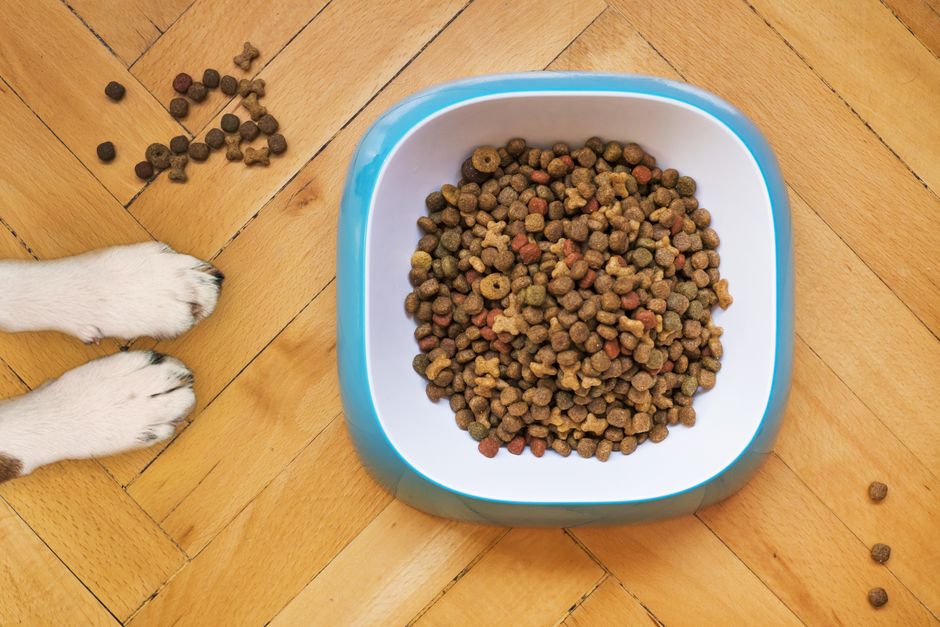
Most veterinarians recommend feeding pets a commercial diet labeled as “complete and balanced” by the Association of American Feed Control Officials (AAFCO). This means the food has been formulated to provide all essential nutrients in the correct proportions for your pet’s life stage, whether they are a growing puppy or kitten, an active adult, or a senior. Reading pet food labels carefully, choosing reputable brands, and avoiding foods with excessive fillers or artificial additives are important steps.
Considering Homemade or Raw Diets
Some pet owners consider preparing homemade or raw diets to provide more control over ingredients. While these diets can be beneficial in certain cases, they also carry risks if not properly formulated. Nutritional imbalances, contamination, and deficiencies are common concerns with do-it-yourself diets. If you are interested in exploring homemade options, it is essential to work closely with your veterinarian to ensure your pet’s diet remains safe and nutritionally complete.
Supplementation and Treats
Supplements may be recommended for pets with specific needs, such as joint support, skin health, or digestive issues. However, adding supplements without veterinary guidance can disrupt nutritional balance or interact with medications. When it comes to treats, moderation is key. Treats should make up no more than 10 percent of your pet’s daily caloric intake. Opt for healthy options like small pieces of cooked lean meats or commercial treats designed for pets’ health.
Adjusting for Seasonal and Lifestyle Changes
Florida’s climate means your pet may need extra attention to hydration, especially during hot weather. Always provide fresh water, and consider offering water-rich foods or adding water to dry kibble if your pet tends to drink less. Activity level changes throughout the year can affect your pet’s caloric needs; during periods of reduced exercise, such as rainy weeks or winter months, decrease portion sizes slightly to prevent unwanted weight gain.
Common Mistakes That Can Disrupt Your Pet’s Diet Balance
Even with the best intentions, it’s easy to make mistakes that impact your pet’s nutrition. Feeding table scraps, for example, can introduce excessive fat, salt, or potentially toxic foods like onions, garlic, or chocolate. Over-reliance on treats, especially those high in calories or lacking nutritional value, can contribute to weight gain and nutritional imbalances.
Another common mistake is switching foods too quickly, which may upset your pet’s digestive system. Gradually transition between diets over seven to ten days to help avoid stomach upset or food refusal. Ignoring portion recommendations on pet food packaging or failing to adjust amounts for your pet’s size and energy level can also lead to overfeeding or underfeeding.
How Routine Veterinary Care Supports a Balanced Diet
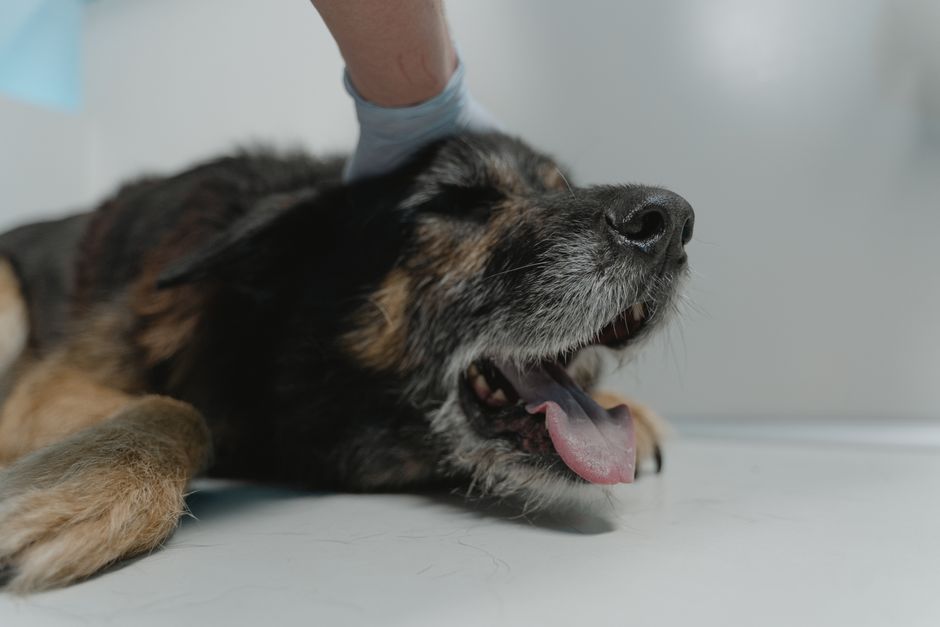
Veterinary professionals are your best resource when it comes to how to make a pet’s diet balanced for your individual dog or cat. During your pet’s wellness examination, our veterinarians will evaluate body condition, muscle tone, and overall health to spot any early signs of nutritional deficiencies or excesses. Laboratory testing, such as blood work and urinalysis, can provide additional insights into organ function, metabolic health, and nutritional status; you can learn more about these options on our pet diagnostic laboratory page.
If your pet has a chronic condition such as kidney disease, diabetes, or allergies, specialized diets may be recommended as part of their management plan. Our veterinary team is experienced in developing tailored nutrition plans that meet these unique needs, helping you feel confident about every meal you serve.
Prevention and Home Care: Practical Steps for Pet Owners
You play the most important role in supporting your pet’s nutrition every day. Key steps include measuring your pet’s food with a kitchen scale or measuring cup for accuracy, monitoring your pet’s weight monthly, and watching for subtle changes in appetite, stool quality, or activity level. Sticking to regular feeding times can help with digestion and behavior, while providing plenty of fresh water is essential year-round, especially in Florida’s heat.
If you ever need to change your pet’s diet, do so gradually, mixing the new food with the old in increasing amounts over a week. Stay informed by reading pet food labels and consulting reputable resources such as the American Veterinary Medical Association or the World Small Animal Veterinary Association. Remember that online advice is never a substitute for direct veterinary guidance; what works for one pet may not be right for another.
When to Seek Veterinary Advice About Your Pet’s Diet
You should consult your veterinarian if your pet experiences unexplained weight changes, persistent digestive issues, skin or coat problems, or simply seems less energetic. Additionally, if you are considering a homemade or raw diet, have questions about supplements, or need to adjust your pet’s diet due to age or health changes, professional input is vital. Our veterinary team in Winter Garden, FL is here to guide you with practical, science-based recommendations. For personalized nutrition advice or assistance with how to make a pet’s diet balanced, you can easily request an appointment with us.
Your Local Partner for Balanced Pet Nutrition in Winter Garden
Providing a balanced diet is one of the most important ways you can support your pet’s health and happiness. By understanding the fundamentals of how to make a pet’s diet balanced, watching for signs of nutritional issues, and partnering with your local veterinary professionals, you’ll give your dog or cat the best chance at a vibrant, active life. If you’re searching for a veterinarian near me or need advice about your pet’s diet, reach out to Hamlin Animal Hospital. Our team is committed to helping pets in Winter Garden and surrounding communities thrive in every season.
To schedule a nutrition consultation or a comprehensive wellness examination, call us at (407) 872-7772 or visit us at 14410 Shoreside Way, Suite 130, Winter Garden, FL 34787. You can also request an appointment online for convenient, personalized guidance on your pet’s nutrition. Your pet’s well-being starts with balanced nutrition, and our veterinary team is always here to help you every step of the way.