November Pet Allergies: Managing Itchy Dogs and Cats

November Pet Allergies: Managing Itchy Dogs and Cats
As the cooler breezes of November settle into Winter Garden, many pet owners notice their dogs and cats scratching, licking, or biting at their skin more than usual. If your pet seems uncomfortable this fall, you are not alone; seasonal allergies can cause significant discomfort for both dogs and cats, especially in our warm, pollen-rich Florida climate. At Hamlin Animal Hospital, located at 14410 Shoreside Way, Suite 130, Winter Garden, FL 34787, we understand how frustrating it can be to see your pet itching and restless. Our veterinary team is here to help you recognize the signs of November pet allergies, understand the most common triggers, and know how to support your pet’s comfort at home. In this blog, you will discover which allergy symptoms to watch for, what typically causes fall allergies in our area, and which steps you can take to help your pet feel their best as the seasons change. We will also discuss when it is time to schedule an appointment and how our team can provide relief through services like allergy testing and dermatology care.
Recognizing Allergy Symptoms in Your Dog or Cat This Fall
Identifying allergies early can make a significant difference in your pet’s comfort and health. While some pets only experience mild itching, others develop more severe symptoms that can interfere with daily life. Common signs of fall allergies in dogs and cats include frequent scratching, licking or chewing paws, redness or inflammation of the skin, and hair loss in affected areas. You might also notice your dog or cat shaking their head or rubbing their face against furniture. Ear infections are another potential sign, especially if your pet has a history of allergies. For some pets, sneezing, watery eyes, or mild respiratory discomfort may also occur during high pollen days. If you observe any of these symptoms in your pet, it is important to monitor their frequency and severity. Mild, occasional itching might resolve on its own, but persistent discomfort or skin changes can indicate a need for professional care.
Understanding November Allergy Triggers in Winter Garden
Florida’s unique climate means that allergy season does not end when summer is over. In fact, November brings its own set of challenges for sensitive pets. The most common fall allergy triggers include outdoor pollens, such as ragweed, oak, and certain grasses that continue to release allergens well into autumn. Mold spores also increase during this time, especially after periods of rain or in areas with decaying leaves. Additionally, dust mites and other indoor allergens can become problematic as pets and their owners spend more time inside. Even changes in household routines, like turning on heating systems for the first time, can stir up dust and trigger allergy symptoms. For some pets, food sensitivities or flea allergies may also flare up as the weather cools, making it important to consider all potential sources of irritation. Understanding these triggers helps pet owners take proactive steps to minimize exposure and support their pet’s well-being.
Why Allergies Happen: The Science Behind the Itch
Allergies occur when your pet’s immune system reacts to otherwise harmless substances, perceiving them as threats. This overreaction leads to inflammation, especially in the skin, ears, and sometimes the respiratory tract. In dogs and cats, the skin is often the main target of allergic reactions, which is why itching and skin changes are so common. Some pets are genetically predisposed to allergies, while others develop sensitivities over time due to repeated exposure. Environmental changes, stress, and underlying health issues can all influence how and when allergy symptoms appear. Recognizing that allergies are a medical condition, not just a nuisance, is the first step toward effective management.
Professional Treatment Options for November Pet Allergies
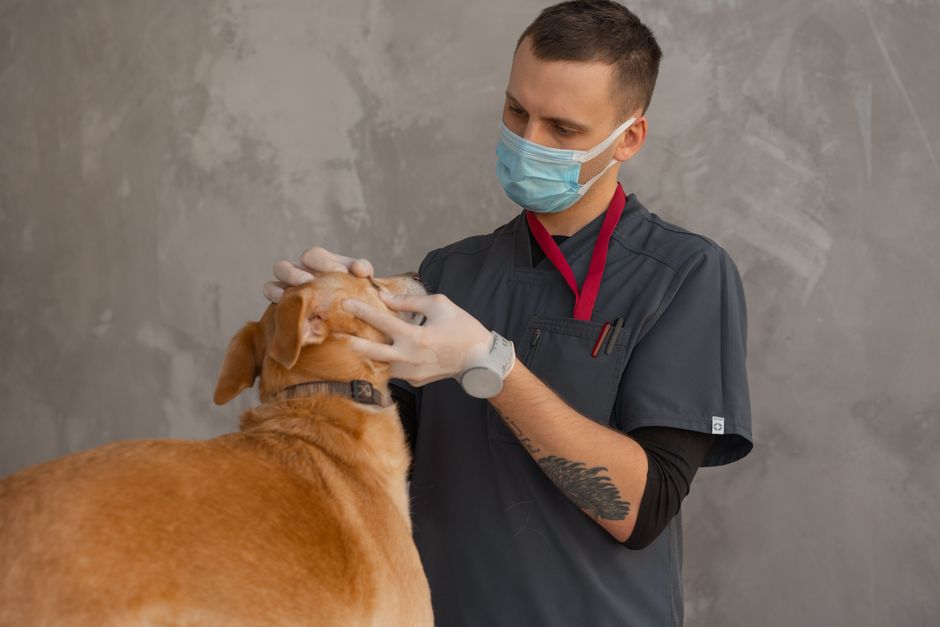
When at-home care is not enough to relieve your pet’s symptoms, professional veterinary intervention can make a real difference. At Hamlin Animal Hospital, our veterinarians will start with a thorough physical examination, review your pet’s medical history, and discuss the specific symptoms you have observed. Diagnostic tools, such as pet diagnostic laboratory services, can help identify underlying infections, rule out other causes of itching, and determine if allergies are present. For pets with persistent or severe symptoms, allergy testing is available to pinpoint specific triggers, whether they are environmental, food-related, or caused by parasites like fleas.
Treatment plans vary depending on your pet’s needs and may involve medicated shampoos to soothe inflamed skin, prescription antihistamines, or anti-itch medications. In some cases, corticosteroids or immunotherapy (allergy shots or oral drops) may be recommended to control severe or chronic allergies. Managing secondary infections, such as bacterial or yeast overgrowth, is also crucial, as these can develop when pets scratch or lick affected areas. Our dermatology services are designed to address even the toughest skin conditions, ensuring your pet receives targeted and compassionate care. By working closely with our veterinary team, you can find a long-term management plan that reduces symptoms and improves your pet’s quality of life.
How Allergy Testing Helps
Allergy testing can be a valuable tool for pets with ongoing problems. Through specialized testing, we can distinguish between environmental and food-related triggers, which guides both treatment and prevention. Knowing exactly what your pet is allergic to allows us to recommend specific environmental changes, dietary adjustments, or targeted therapies, rather than relying on guesswork.
Home Care and Prevention: Supporting Your Pet Through Allergy Season
While professional treatment is often necessary for moderate to severe allergies, there are many steps pet owners can take at home to reduce symptoms and prevent flare-ups. Regular bathing with veterinarian-recommended shampoos can help remove allergens from your pet’s coat and skin. Wiping your dog’s paws and fur after outdoor walks is another effective way to limit pollen exposure, especially during high pollen days in Winter Garden. Keeping your home clean by vacuuming frequently, washing pet bedding, and using air purifiers can minimize indoor allergens like dust and mold spores. For cats, paying attention to litter box hygiene and choosing low-dust litter can also help.
Maintaining year-round flea prevention is critical, as flea allergies are a common cause of itching in both dogs and cats. Feeding a balanced diet rich in omega-3 fatty acids supports skin health and may reduce inflammation. If your pet’s allergies have a food component, your veterinarian may recommend trying a hypoallergenic diet or conducting a food trial. Always consult with your veterinary team before making significant changes to your pet’s care routine, as some ingredients or over-the-counter remedies can cause unintended side effects.
Seasonal Tips for the Florida Fall
November in Winter Garden can bring unexpected warm spells, meaning pollen counts may spike even late in the year. Monitoring local pollen forecasts, keeping windows closed during high pollen days, and limiting outdoor time when allergens are at their peak can go a long way toward preventing reactions. If you notice your pet’s symptoms increase after walks or time spent outdoors, try to limit exposure and bathe them promptly.
When to Schedule an Appointment with Hamlin Animal Hospital
Knowing when to seek professional help for your pet’s allergies is essential. You should schedule an appointment if your dog or cat is scratching or licking excessively, develops red or inflamed skin, experiences hair loss, or shows signs of discomfort that do not improve with simple home care. Other warning signs include recurrent ear infections, open sores, or changes in your pet’s appetite or behavior. If your pet’s symptoms worsen suddenly, or you notice signs of infection such as foul odor, oozing, or severe swelling, prompt veterinary attention is necessary to prevent complications.
At Hamlin Animal Hospital, our veterinary professionals are dedicated to helping your pet find relief and return to their playful, happy self. We encourage you to reach out if you have any concerns, as early intervention can prevent chronic problems and ensure your pet’s long-term health.
Why Trust Hamlin Animal Hospital for Your Pet’s Allergy Care?
Our commitment to comprehensive, compassionate care means your pet’s comfort and well-being are always our top priorities. Whether you are dealing with a mild seasonal itch or a more complex skin condition, our team will guide you through every step, from diagnosis to treatment and ongoing support. We utilize advanced diagnostic and treatment options, including pet diagnostic laboratory services and veterinary dermatology, to deliver the highest standard of care for pets in Winter Garden and surrounding communities.
Helping Your Itchy Dog or Cat Feel Their Best This Fall
As November brings new allergy challenges for pets in Winter Garden, remember that you do not have to manage your dog or cat’s discomfort alone. By recognizing the signs of allergies, understanding local triggers, and working with a trusted veterinary team, you can help your pet enjoy a healthier, itch-free season. If you are searching for a veterinarian near me who understands the unique needs of pets in our area, look no further than Hamlin Animal Hospital. Schedule an appointment today by calling (407) 872-7772 or visit us at 14410 Shoreside Way, Suite 130, Winter Garden, FL 34787. Our veterinary professionals are here to provide expert guidance, personalized care, and peace of mind for you and your beloved pet this fall and beyond. For more information on how we can help with allergy testing, dermatology, or general wellness, explore our website or ask about our services during your next visit. Your pet’s comfort is just a phone call away.