Rainy Season Dangers for Pets in Winter Garden

Rainy Season Dangers for Pets in Winter Garden
As the summer months settle in and Florida’s rainy season begins, pet owners in Winter Garden face new challenges in keeping their dogs and cats safe and healthy. While the sound of summer storms and the sight of lush, green lawns can be a welcome change, increased rainfall brings a host of hidden hazards for our pets. At Hamlin Animal Hospital, we understand the unique risks that come with the local climate, and we are here to help you protect your furry family members from dangers that may not always be obvious. In this guide, we’ll explore the most common rainy season dangers for pets in Winter Garden, from toxic mushrooms in your backyard to the surge of pests like mosquitoes and fleas. You’ll also find expert advice from our veterinary team on how to recognize warning signs, prevent problems, and know when it’s time to schedule an appointment with our clinic in Winter Garden, FL. Whether you’ve lived in Central Florida for years or are new to the area, this blog will help you and your pets enjoy a safer, healthier summer.
Recognizing Rainy Season Risks: Signs Your Pet May Be Affected
Florida’s summer storms can transform your yard and neighborhood overnight, but the changes they bring can also affect your pet’s health in subtle and serious ways. Pet owners should be especially vigilant during June and the rainy months that follow, as both indoor and outdoor pets are at increased risk. Signs that your dog or cat may be suffering from rainy season hazards include symptoms such as sudden vomiting or diarrhea, signs of skin irritation like excessive scratching or red, inflamed patches, and respiratory changes such as coughing or sneezing that last for more than a day. Lethargy, sudden changes in appetite, limping, or visible swelling can also signal that something is wrong. For pets that spend time outdoors, additional concerns include wounds, unusual lumps, or signs of discomfort after being in wet, grassy, or wooded areas. If you notice any of these signs, especially following recent storms or heavy rains, it’s important to act quickly and consult with our veterinary professionals to determine the cause and ensure your pet’s safety.
Why the Rainy Season Brings More Hazards for Dogs and Cats
Florida’s rainy season is more than just an inconvenience for your daily walks; it brings a cascade of environmental changes that can have a direct impact on your pet’s health. Increased moisture and warmth create ideal conditions for the rapid growth of fungi, including toxic mushrooms that can sprout overnight in lawns and parks. Many mushroom species are highly poisonous to dogs and cats, and even a small bite can be life-threatening. Additionally, standing water from heavy rains provides perfect breeding grounds for mosquitoes, which can transmit heartworm disease, and for other pests like fleas and ticks that thrive in humid conditions. These parasites not only cause discomfort but can also spread serious diseases to pets. Rain can also wash chemicals, fertilizers, or other toxins into areas where curious pets may sniff or lick, increasing the risk of poisoning. Mold and mildew can develop indoors if your home has leaks or poor ventilation, potentially triggering allergies or respiratory issues in sensitive pets. Understanding these seasonal risks is the first step in keeping your pets protected throughout the summer.
The Hidden Dangers of Mushrooms and Mold
Toxic mushrooms are a major concern after heavy rains. Even in yards that have never had mushrooms before, spores can arrive on the wind and bloom quickly. Dogs, especially puppies, and some curious cats are drawn to the smell or texture of mushrooms and may eat them before you even notice they’re there. Symptoms of mushroom poisoning can appear within minutes to hours and include drooling, vomiting, tremors, seizures, and, in severe cases, collapse or death. Similarly, mold growth in damp areas of your home can release spores that irritate your pet’s lungs, causing coughing, sneezing, or worsening existing conditions like asthma.
Pests on the Rise: Fleas, Ticks, and Mosquitoes
Warm, wet weather is a perfect storm for pests. Flea and tick populations explode during the rainy season, and a single walk or backyard romp can result in dozens of new hitchhikers. These parasites are not only uncomfortable for pets but can transmit diseases such as Lyme disease and tapeworms. Mosquitoes become more active during and after rain, increasing the risk of heartworm disease, which can be fatal for both dogs and cats if left untreated.
Treatment and Management: How Hamlin Animal Hospital Can Help
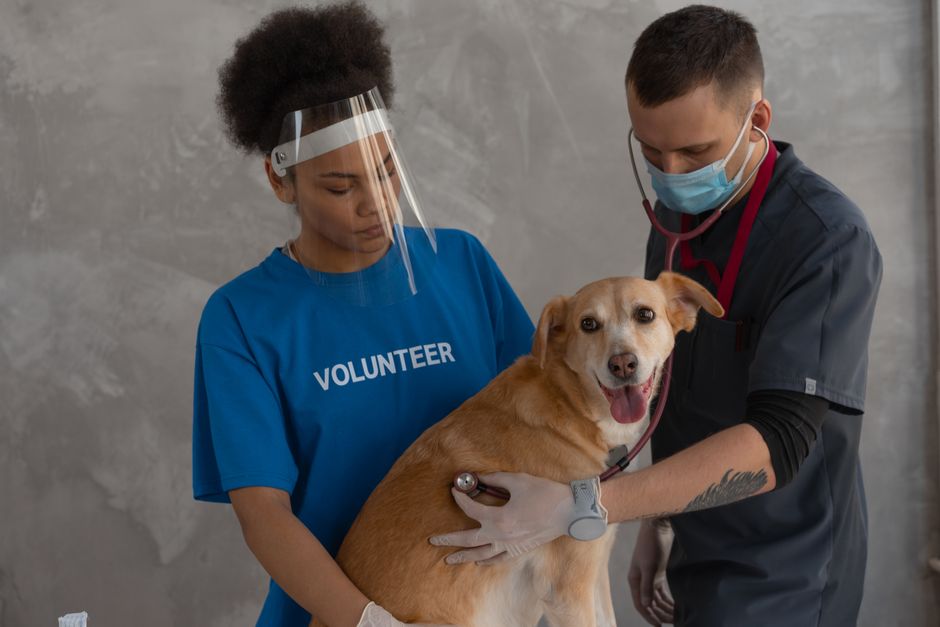
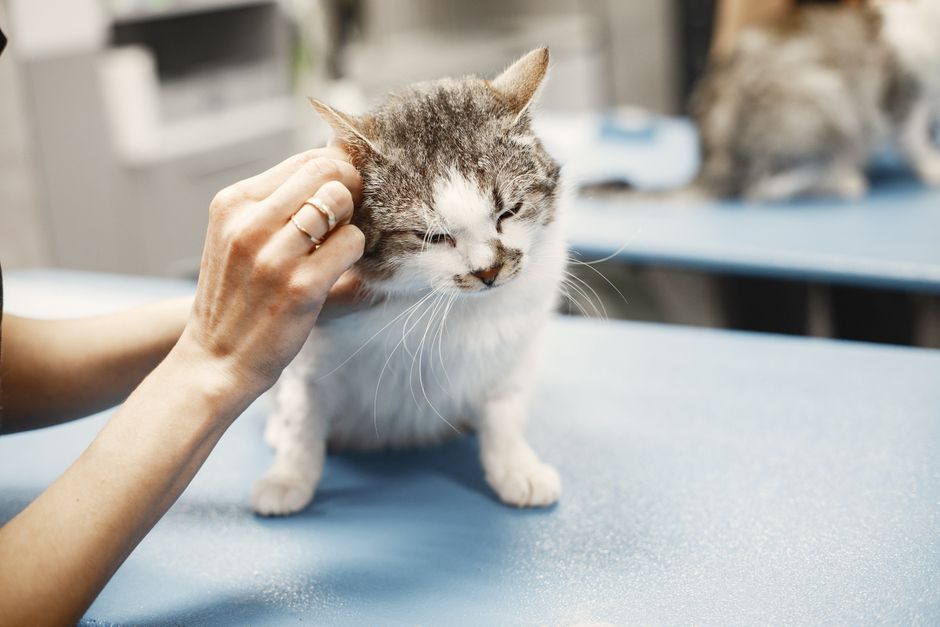
If your dog or cat falls ill during the rainy months or you suspect exposure to mushrooms, toxic substances, or parasites, prompt veterinary attention is critical. Our team of veterinarians at Hamlin Animal Hospital is trained to diagnose and treat a wide range of rainy season-related conditions. When you bring your pet in for an evaluation, we will start by gathering a thorough history and conducting a comprehensive examination to pinpoint the cause of your pet’s symptoms.
Treatment for suspected mushroom poisoning may involve inducing vomiting, administering activated charcoal to absorb toxins, and providing intravenous fluids and medications to support organ function and prevent further absorption of toxins. In cases of skin irritation or parasite infestations, our veterinary professionals may recommend medicated shampoos, prescription parasite control products, and treatments to relieve itching and secondary infections. Respiratory issues due to mold or allergens are addressed with appropriate medications, environmental recommendations, and ongoing monitoring.
For pets diagnosed with heartworm disease or other vector-borne illnesses, our team will guide you through the treatment process, which may include specialized medications, supportive care, and follow-up testing to ensure a full recovery. Throughout every step, our goal is to provide compassionate, effective care tailored to the needs of your individual pet.
Prevention and Home Safety Tips for the Rainy Season
The most effective way to protect your pet from rainy season dangers is through a combination of vigilance, preventive care, and regular veterinary checkups. At home, make it a habit to inspect your yard daily for mushrooms and remove any you find using gloves, as some species are toxic to humans as well. Keep pets away from areas with visible mold or standing water, and address any indoor leaks or dampness promptly to prevent mold growth. Using veterinarian-recommended flea, tick, and heartworm prevention products year-round is essential, especially during the rainy months when pest activity is highest.
Dry your pet thoroughly after walks in wet conditions to prevent skin infections and discourage the growth of yeast or bacteria. Wash bedding regularly and vacuum carpets to reduce the risk of flea infestations. When possible, avoid walking your dog in areas with tall grass, dense woods, or stagnant water, and always supervise your pet outdoors to prevent accidental ingestion of unfamiliar plants or mushrooms.
If you use chemicals or fertilizers in your yard, store them securely and keep pets off treated lawns until it is safe. Being proactive can make a significant difference in your pet’s health and comfort throughout the summer storm season.
When to Bring Your Pet to the Vet: Knowing the Right Time
Some rainy season risks can be managed at home, but others require immediate veterinary attention. You should schedule an appointment with Hamlin Animal Hospital if your pet shows signs such as persistent vomiting or diarrhea, difficulty breathing, severe lethargy, visible swelling, unsteady movement, or seizures. Quick action is especially critical if you suspect your pet has eaten a mushroom, as some toxins work rapidly. For skin issues that do not improve with home care, or if you notice fleas, ticks, or other parasites despite using preventive products, our veterinary team can recommend advanced treatments tailored to your pet’s needs.
Routine examinations and preventive care appointments are another key part of your pet’s health plan, especially during the months when environmental risks are highest. Our veterinarians can provide personalized advice, update your pet’s parasite prevention regimen, and address any concerns you have about seasonal threats. If you are searching for a "vet near me" who understands the unique needs of pets in Winter Garden and surrounding communities, our team is always here to help.
Protecting Your Pet All Summer Long: Trust Hamlin Animal Hospital
Florida’s rainy season can bring unexpected challenges for pet owners, but with the right knowledge and support, you can keep your dogs and cats safe, healthy, and happy all summer. By staying alert for signs of illness, managing your home and yard environment, and partnering with a trusted local veterinary team, you reduce your pet’s risk of rainy season hazards. At Hamlin Animal Hospital, our commitment to your pet’s wellbeing is at the heart of everything we do. If you have questions about rainy season dangers, need to update your pet’s parasite prevention, or notice any concerning symptoms, we encourage you to schedule an appointment with our veterinarians in Winter Garden, FL. You can reach us at (407) 872-7772; our veterinary professionals are always here to help you and your pets enjoy a safer summer.
For more information on local pet health issues or to learn about our comprehensive services, visit our website at hamlinvet.com. When you need a veterinarian near me who truly cares about your pet’s unique needs in Central Florida, trust Hamlin Animal Hospital to be your partner in pet health—rain or shine.