How to Keep Pets Active During Mild Winter Months

How to Keep Pets Active During Mild Winter Months
Florida’s winter months in Winter Garden are known for their mild, cloudy days rather than harsh cold or snow. Even so, pet owners often notice that their dogs and cats can become a bit less energetic at this time of year, especially when the weather is damp or the skies are gray. At Hamlin Animal Hospital, our veterinary team frequently hears from families looking for ways to keep their pets active and healthy through these cooler, slower months. Whether you are concerned about your pet gaining extra weight, feeling restless indoors, or simply want to make sure they are getting the mental and physical stimulation they need, our Winter Garden clinic is here to help.
In this blog, we will explore how to identify signs that your pet may need more activity, why winter sluggishness can happen even in Florida, and offer expert-recommended tips for keeping your dog or cat moving this season. You’ll also discover practical home activities, guidance on when to seek veterinary advice, and how routine wellness care supports overall pet wellbeing. If you’re looking for trusted advice from a local veterinary team in Winter Garden and surrounding communities, you’re in the right place. We invite you to read on and discover how to help your pet thrive all winter long.
Recognizing When Your Pet Needs More Activity
Sometimes it can be tricky to tell when your pet is feeling the effects of a slower season. Subtle changes in behavior or routine can be the first signs that your dog or cat is not getting enough physical or mental stimulation. Key signs to watch for include weight gain that seems to creep up as activity levels drop, restlessness such as frequent pacing or barking in dogs, and increased vocalization or destructive play in cats. Additionally, some pets may begin sleeping more than usual, seem reluctant to play, or show less enthusiasm for walks or games they typically enjoy.
For example, you might notice your dog hesitating when you get out the leash, or your cat spending most of the day curled up by the window rather than exploring the house. These changes are often more noticeable during cloudy or rainy spells, especially when families are spending less time outdoors. If you observe any of these patterns, it is a good indication that your pet could benefit from extra activity or engagement.
Why Winter Can Slow Down Pets in Florida
It is easy to assume that mild winters in Winter Garden would not affect our pets, but even small shifts in weather and daylight can influence their routines. During the winter months, shorter days and cooler, damp weather often mean that families spend less time outside. Dogs may have fewer walks or shorter playtimes in the yard, while cats that enjoy sunbathing or chasing shadows may find fewer warm patches to explore. These seasonal changes, although subtle, can lead to less overall movement and stimulation.
Additionally, pets pick up on the routines and moods of their human families. If you find yourself spending more time indoors, watching movies, or avoiding outdoor activities because of cooler or cloudier weather, your pet will likely follow suit. This reduction in activity can quickly add up, especially for young, high-energy, or indoor-only pets. Over time, these habits can contribute to weight gain, loss of muscle tone, and sometimes even behavioral changes related to boredom or anxiety.
Professional Support for Winter Wellbeing
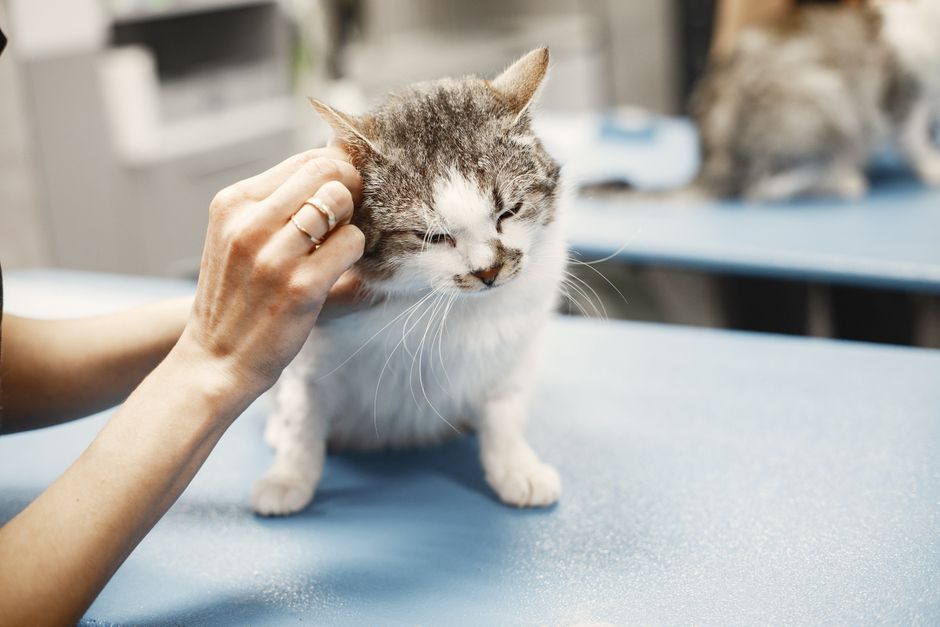
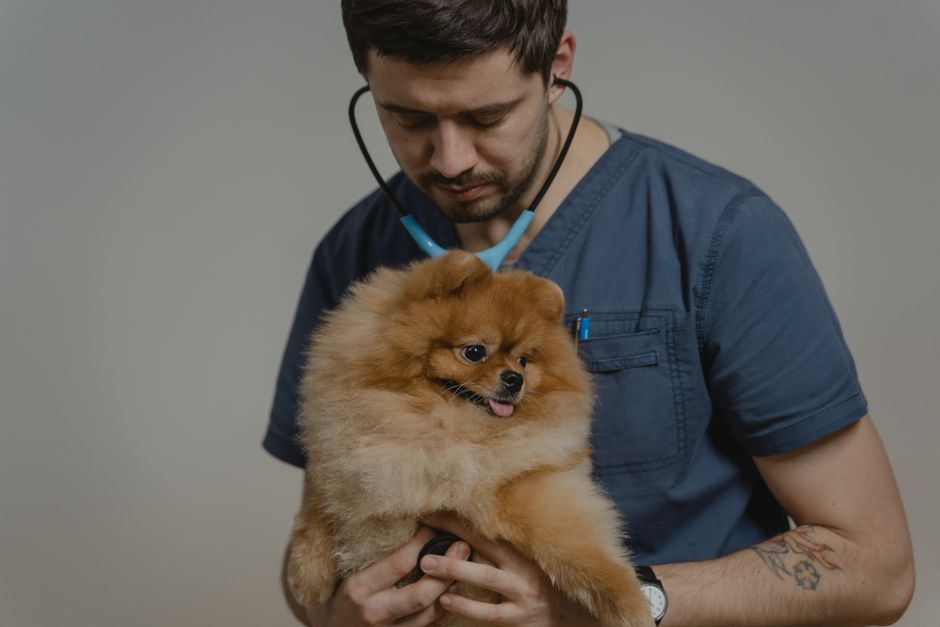
At Hamlin Animal Hospital, we believe that regular veterinary care is the foundation of a healthy, active pet—no matter the season. Scheduling a wellness examination is a proactive way to ensure your dog or cat maintains a healthy weight, receives age-appropriate exercise advice, and is screened for any underlying health issues that could be contributing to lower energy levels. During these visits, our veterinarians can help you develop a tailored activity plan that takes into account your pet’s breed, age, and any special medical considerations.
For pets that seem to gain weight easily in the winter, our veterinary professionals may recommend nutritional adjustments or specific exercise routines. We also offer guidance on preventive measures such as vaccination services and dental care, since overall health impacts energy, mobility, and comfort during active play. If you notice a sudden or extreme change in your pet’s behavior or activity level, our veterinary team can perform diagnostic tests to rule out medical causes and ensure your pet is safe to increase their activity.
Keeping Your Pet Active at Home
Even when the weather is too chilly or damp for long outdoor adventures, there are plenty of creative ways to keep your pet moving and mentally stimulated indoors. For dogs, interactive games like hide-and-seek with treats, scent work using puzzle toys, or gentle tug-of-war can provide both exercise and enrichment. Practicing new tricks or reinforcing obedience commands during short sessions offers mental stimulation and strengthens your bond.
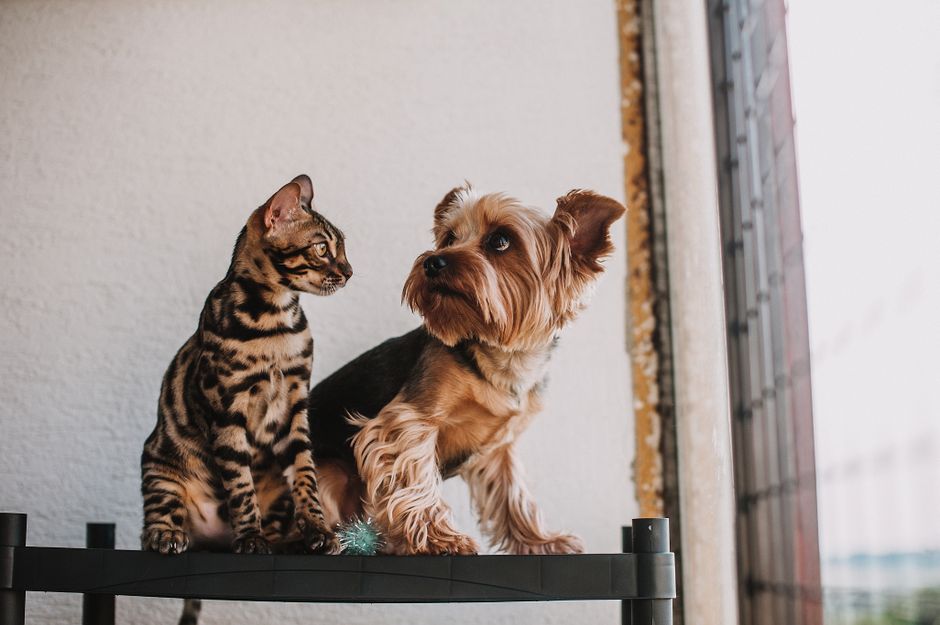
For cats, consider setting up climbing spaces using cat trees or shelving, introducing new toys that encourage chasing and pouncing, or rotating scratching posts to freshen up their environment. Window perches provide a view of outdoor wildlife, which can be especially captivating on cloudy days. Simple household items like paper bags or cardboard boxes can become exciting playgrounds for curious cats.
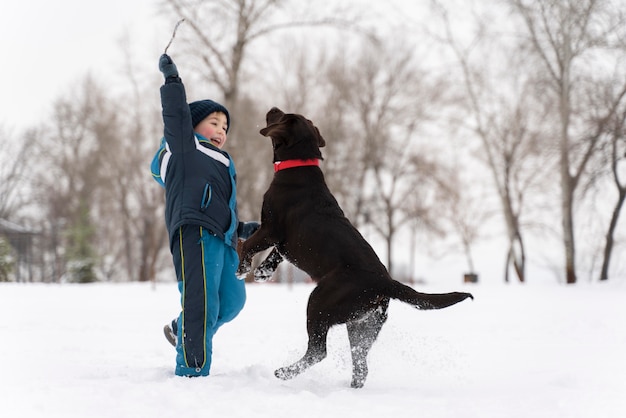
If your pet enjoys the outdoors, make the most of milder winter days by taking shorter but more frequent walks, exploring new routes in your neighborhood, or playing fetch in a secure backyard. Remember to watch for signs of fatigue or discomfort, especially in senior pets or those with chronic health conditions. When in doubt, our veterinary professionals are always happy to provide personalized recommendations during your next visit.
Preventing Winter Weight Gain and Boredom
One of the primary concerns during the winter months is unwanted weight gain, which can sneak up quickly when pets are less active. Preventing this starts with monitoring your pet’s food intake and using measured meals rather than free feeding. If you use treats for training or games, be mindful of the extra calories and consider using part of your pet’s regular kibble as rewards. For cats, food-dispensing toys or puzzle feeders can slow down eating and encourage natural hunting instincts, providing both exercise and mental stimulation.
Creating a daily routine that includes designated playtimes helps build anticipation and keeps your pet engaged. If your schedule changes during winter, try to maintain consistent meal and exercise times so your pet knows what to expect. Additionally, providing a variety of toys and activities reduces boredom and can help prevent unwanted behaviors such as chewing, scratching, or excessive vocalization.
When to Seek Veterinary Care
While most pets experience only mild changes in activity during the winter, there are situations where a professional evaluation is important. You should contact your veterinarian if your dog or cat shows a sudden or significant decrease in energy, loses interest in food or play, or develops symptoms such as limping, persistent coughing, vomiting, or diarrhea. Unexplained weight gain or loss, changes in bathroom habits, or signs of pain should also be addressed promptly.
If you are ever unsure about your pet’s health or the best way to support their activity level, our team at Hamlin Animal Hospital is here to help. Scheduling a wellness examination gives us the opportunity to check for underlying medical conditions and provide guidance tailored to your pet’s needs. For urgent concerns, such as injuries or acute illness, our practice offers urgent veterinary care to ensure your pet receives timely attention.
Supporting Your Pet’s Health All Year Long
Staying active during Florida’s mild winter months is about more than just burning energy; it’s about supporting your pet’s physical, mental, and emotional wellbeing. By recognizing early signs of inactivity, understanding the impact of seasonal changes, and taking proactive steps at home, you can help your pet thrive all year long. Our veterinary professionals are dedicated to partnering with you through every season, offering preventive care, personalized advice, and compassionate support.
If you are searching for a veterinarian near me who understands the unique needs of pets in Winter Garden and surrounding communities, look no further than Hamlin Animal Hospital. We invite you to schedule an appointment for a wellness exam, discuss seasonal care tips, or reach out with any concerns about your pet’s health and activity level. To learn more about our services or book your next visit, call us at (407) 872-7772 or stop by our convenient location at 14410 Shoreside Way, Suite 130, Winter Garden, FL 34787. For additional educational resources on pet wellness and safety, visit our Learning Center.
Medical Disclaimer: The information in this blog is intended for educational purposes only and does not replace professional veterinary consultation. Please contact our veterinary team if you have concerns about your pet’s health or behavior.